


Best CBD Shop Club in England


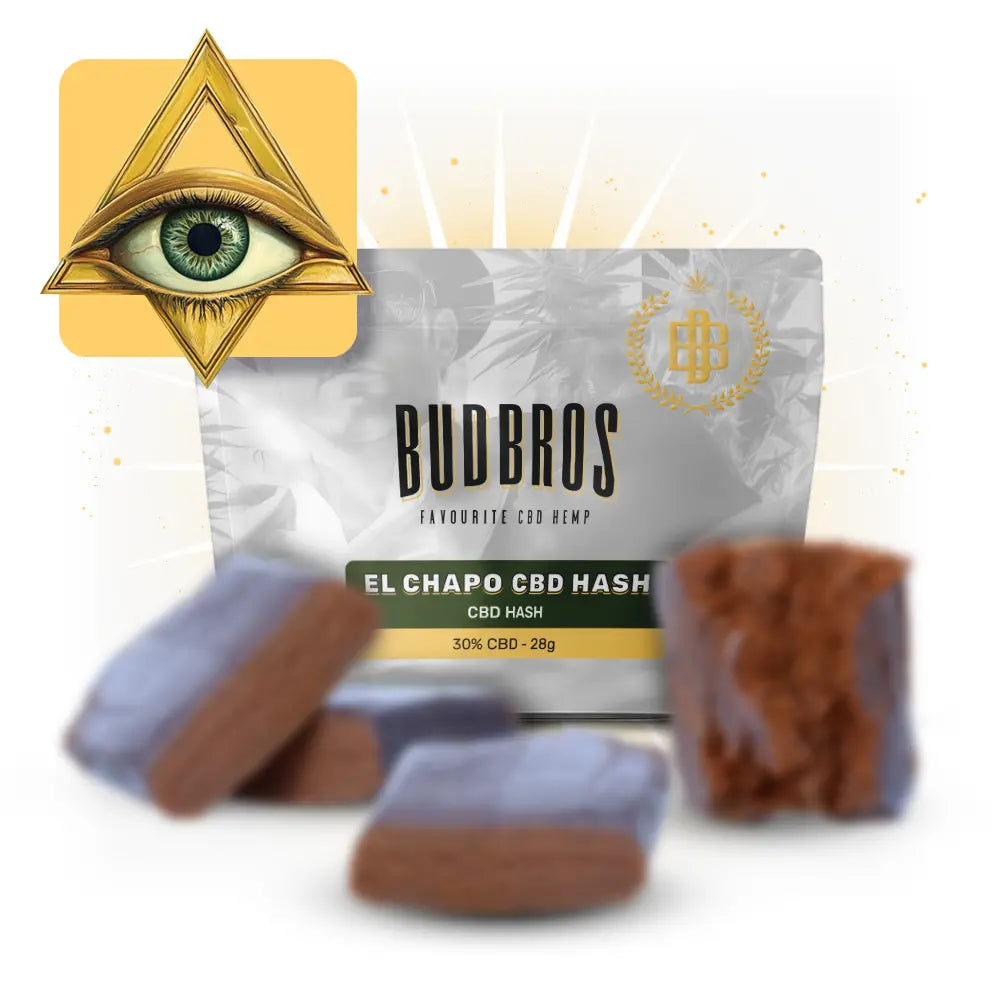
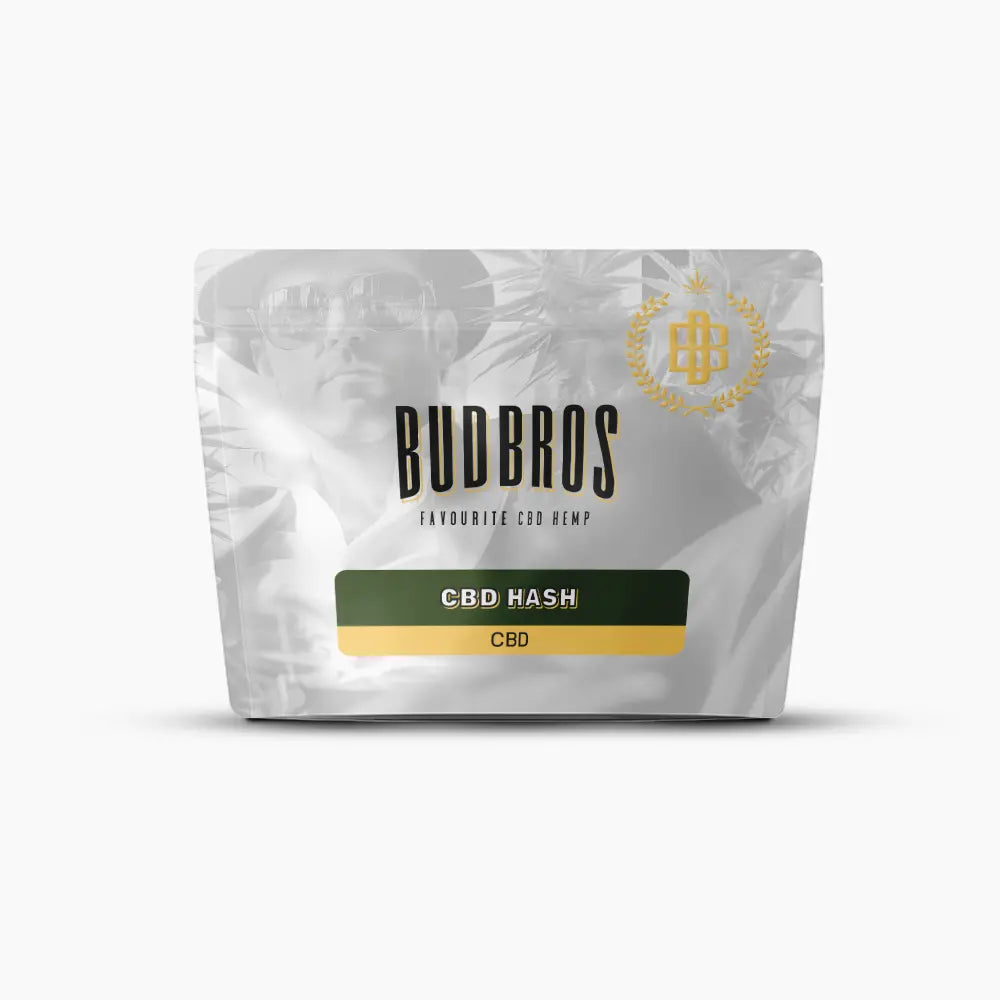


Caramel 3x Filtered - CBD + CBG Hash
Starting at
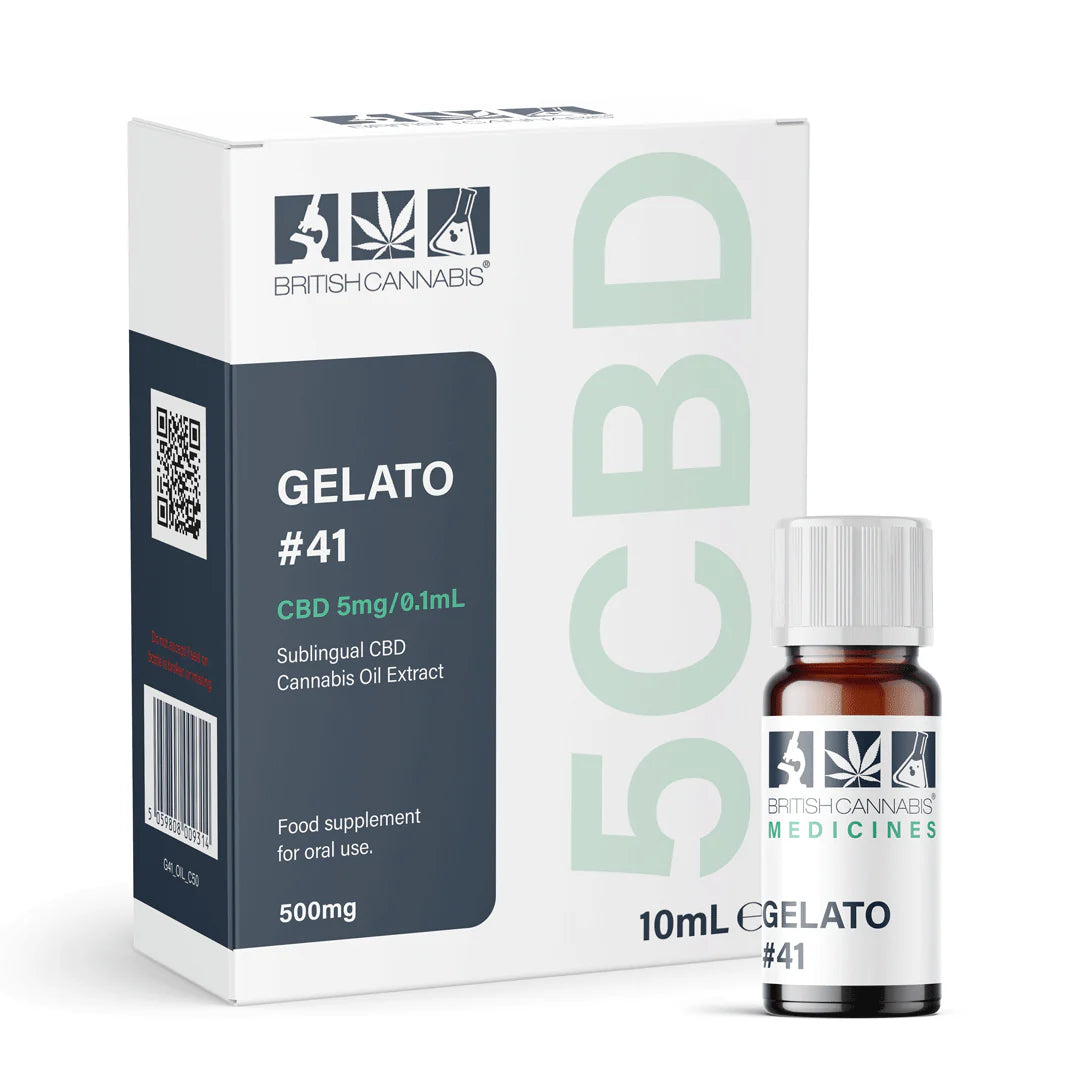
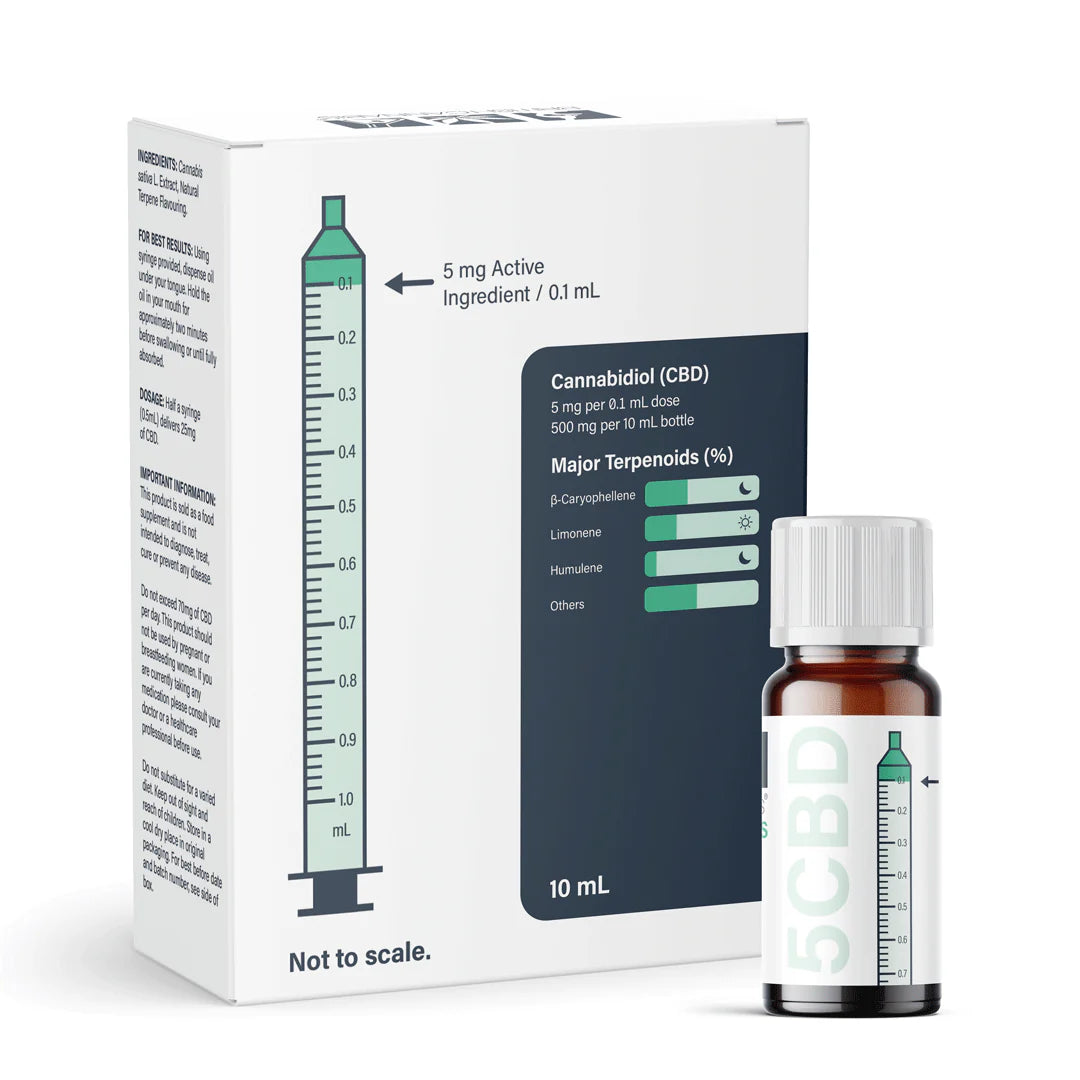
Gelato 41# - Full Plant Extract CBD Oil
Starting at
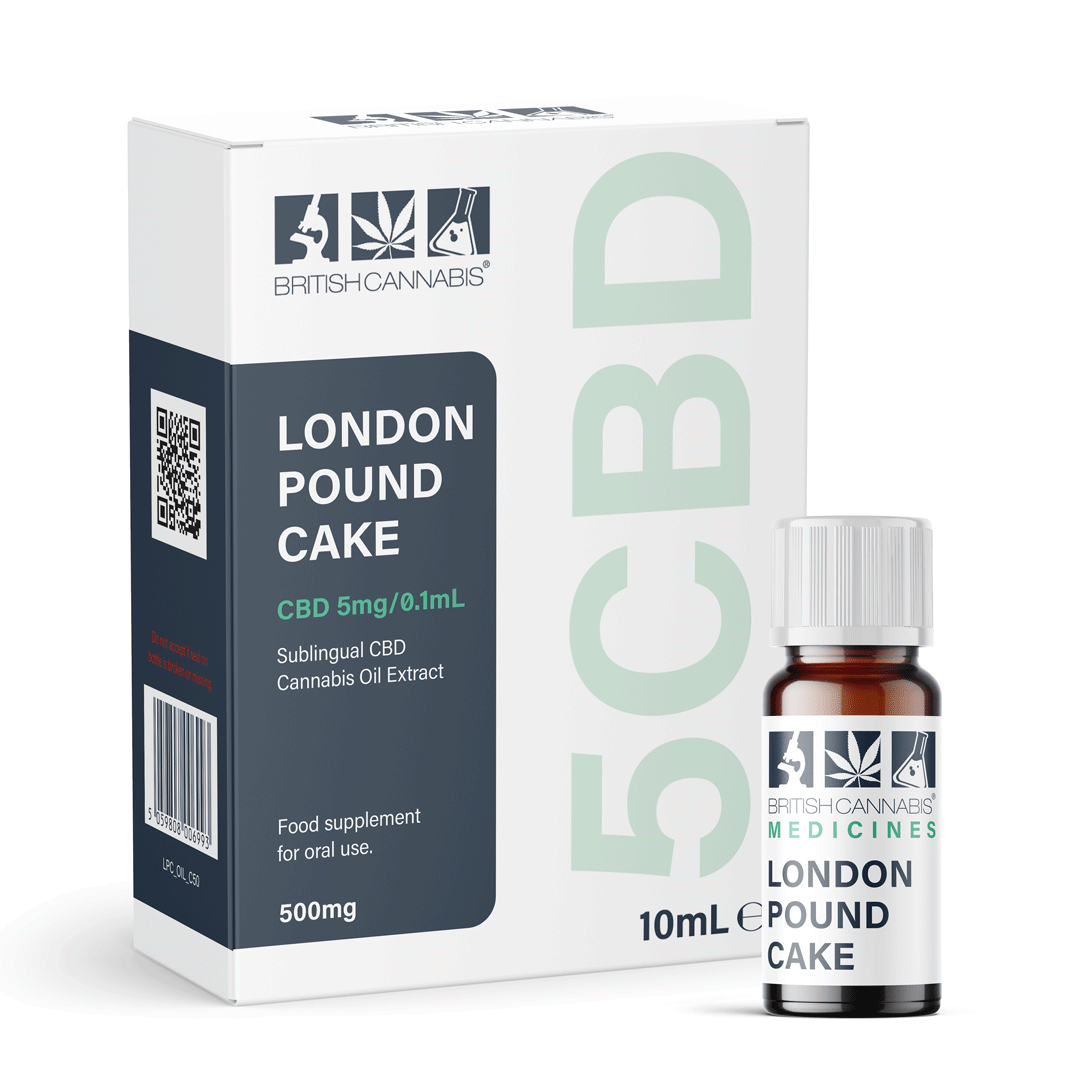
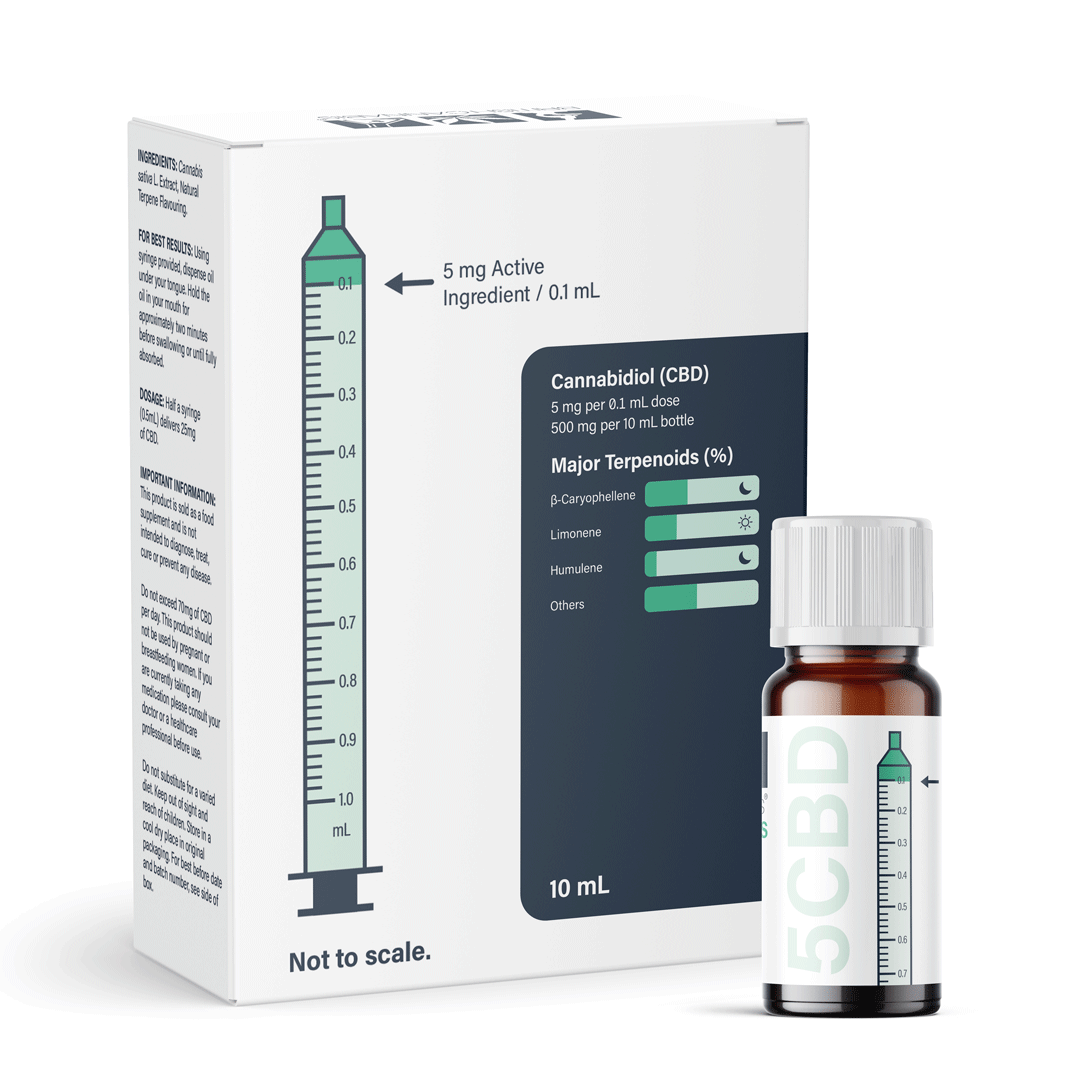
London Pound Cake - Full Plant Extract CBD Oil
Starting at



Join The CBD Club and get special rewards & promo
Become a member of the exclusive Budbros community and unlock a world of exceptional CBD benefits. Enjoy exclusive access to our premium product selection, tailored recommendations, and members-only promotions. Join today and elevate your CBD experience with the discerning taste of Budbros.
CBD Flowers
Discover the refined elegance of our premium CBD flower selection. Sourced from the finest heritage strains and expertly cultivated, our CBD buds offer a sophisticated sensory experience tailored for the discerning connoisseur. Indulge in the natural, time-honoured traditions of CBD with the Budbros commitment to quality. Elevate your CBD journey and join our exclusive community today.


Bubba Kush - CBD Flower - Indoor
Starting at


Solero Cream - CBD Flower - Indoor
Starting at


Teriyaki Sauce - CBD Flower - Indoor
Starting at


Super Silver Haze - CBD Flower - Glasshouse
Starting at


Legendary Skunk - CBD Flower - Indoor
Starting at

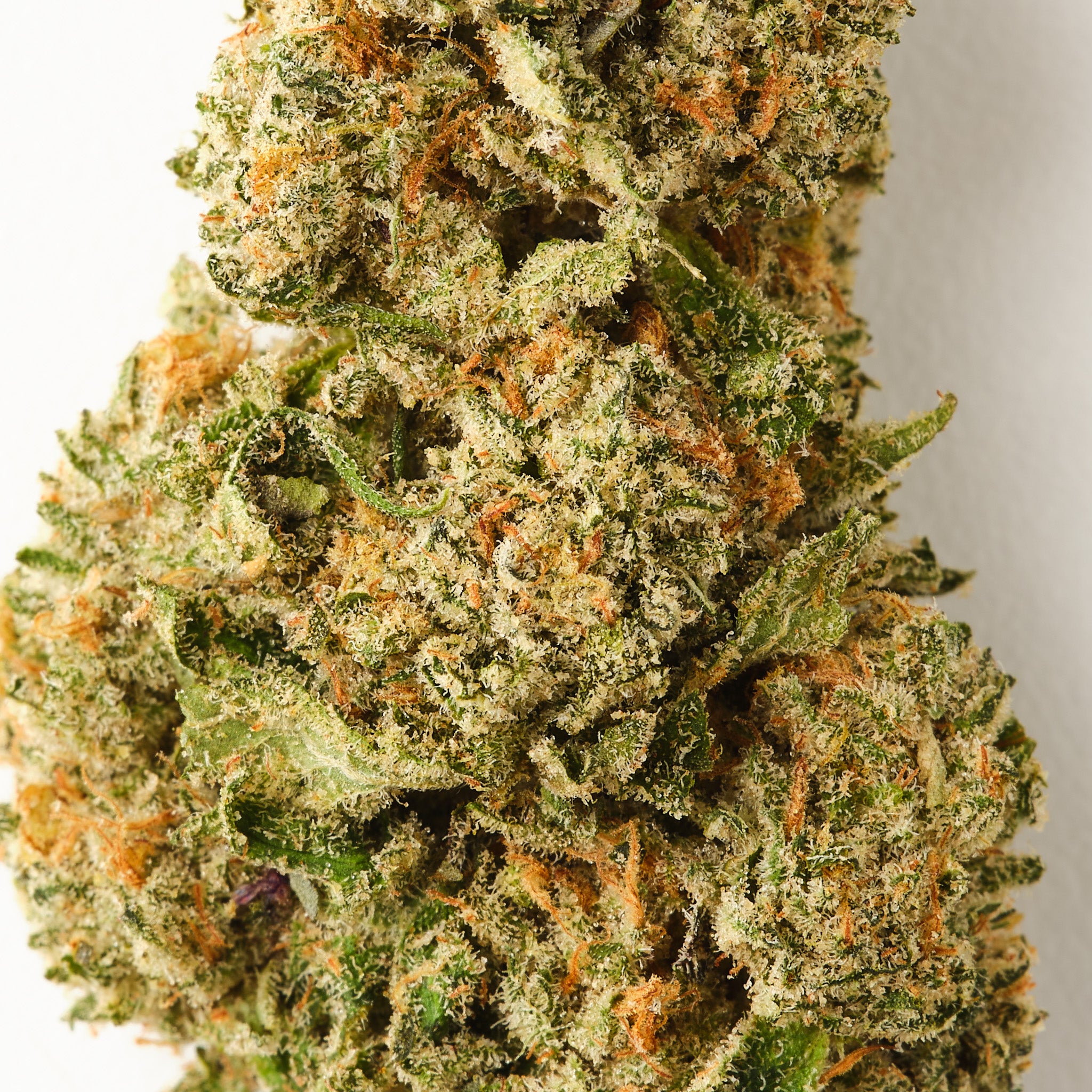
Snowing In The Dam - CBD Flower - Indoor
Starting at


Lemon Kush POP - CBD Flower - Indoor
Starting at
Welcome to Budbros, your trusted destination for premium CBD products in the UK. As an exclusive members-only community, we are passionate about curating the finest CBD and cannabis-derived goods, honouring time-honoured traditions with a modern, sophisticated approach. Discover a refined selection of carefully sourced items, each infused with our dedication to quality and desire to elevate your CBD experience. Join our club and enjoy the discerning taste of Budbros.


Frequently asked questions about buying CBD online

What is CBD?
What is CBD?
CBD (Cannabidiol) is a natural compound derived from hemp and cannabis plants, renowned for its potential therapeutic benefits without producing the psychoactive effects associated with THC. This non-intoxicating cannabinoid has gained popularity for its potential to reduce anxiety, and support overall wellness, with users consuming it in various forms such as oils, flowers, and vapes.
What are your delivery times?
What are your delivery times?
Our packages are delivered within 2 to 3 days in a discreet packaging that ensures your privacy and the confidentiality of your purchase.
How Can I join The Club?
How Can I join The Club?
You only need to collect 200 points to join "The Club" and gain access to exclusive perks. Earning points is easy, discover it on this page.
Is CBD legal in UK?
Is CBD legal in UK?
CBD is completely legal in the UK when sourced from approved hemp and containing less than 0.2% THC. This means you can enjoy its potential benefits without any legal concerns, making it a compliant and accessible wellness product. It's essentially the responsible alternative to traditional cannabis, offering relaxation and potential health support within the boundaries of the law.
How do I choose my CBD flower?
How do I choose my CBD flower?
Choosing the right CBD flower involves examining quality indicators like CBD percentages. Consider the strain type (Indica, Sativa, or Hybrid) based on your desired effects, and start with lower potency percentages if you're a beginner.
What is the best way to store my CBD?
What is the best way to store my CBD?
To preserve your CBD's quality and potency, store it in a cool, dark place away from direct sunlight, heat, and humidity. Use an airtight, opaque container, preferably the original packaging, and keep it at room temperature (15-21°C). Proper storage helps maintain the product's effectiveness and prevents degradation of its beneficial compounds.
Is CBD safe? Can there be any side effects?
Is CBD safe? Can there be any side effects?
CBD is generally safe for most people, offering a gentle wellness experience with minimal side effects. You might encounter slight drowsiness, dry mouth, or mild digestive changes. Start with low doses, listen to your body, and consult healthcare professionals to ensure a comfortable and personalized CBD journey.
Keep updated about CBD

Understanding the differences between cbd kush and cbd haze varieties
Among CBD-rich cannabis strains, two names regularly capture attention: CBD Kush and CBD Haze. While both promise non-intoxicating benefits, their distinct origins, effects, and characteristics set them apart for different preferences. Understanding these differences is essential for navigating the world of cannabidiol and making informed choices. This guide explores what separates CBD Kush from CBD Haze, covering aspects such as indica or sativa dominance, terpene profile, and cannabinoid content. Main botanical origins and genetics Examining the backgrounds of CBD Kush and CBD Haze reveals how their genetic history shapes every aspect of the plant, from growth structure to effect. For those interested in the broader differences between indica and sativa varieties, including their impact on CBD content, exploring indica and sativa CBD strains can provide valuable context. The blend of original parent strains determines their unique features. This genetic foundation explains why experiences with each variety can feel so distinct. Genetics influence not only the effects but also factors like growth patterns and even visual appearance. The parentage behind cbd kush and cbd haze CBD Kush typically traces its lineage to classic Kush strains combined with high-CBD hemp or hybrids. These roots make it an indica-dominant strain, and such varieties are often available as premium CBD flowers for those seeking quality options. Its structure often shows short, dense bushes—traits inherited from robust Afghani ancestry alongside modern CBD-focused breeding. In contrast, CBD Haze draws from the renowned Haze family tree, resulting in a sativa-dominant background. South American or Southeast Asian genetics merge with CBD-rich lines, producing taller plants with wider spacing between nodes and longer flowering periods characteristic of sativa dominance. The role of genetics in shaping character The indica-dominant heritage of CBD Kush leads to compact growth, ideal for limited spaces and quicker harvests. Meanwhile, sativa-dominant CBD Haze thrives with ample room and requires more patience due to its extended flowering cycle. This fundamental DNA difference underpins all further contrasts, including the relaxing effect associated with CBD Kush and the energizing effect that defines most CBD Haze experiences. Comparing bud density and visual appearance Buds catch the eye with color, structure, and trichome presence. CBD Kush and CBD Haze differ noticeably here, influenced by their respective genetics and cultivation styles. Growers frequently note contrasting traits at first glance—a direct result of indica versus sativa influences on bud density and appearance. CBD Kush: Tight, compact nugs, rich in resin with deep green tones and occasional purple highlights CBD Haze: Airier, lighter green buds, typically longer and less dense with fluffy calyxes and striking orange hairs Bud density matters for both storage and consumption. Dense flowers from CBD Kush handle efficiently, while the lighter structure of CBD Haze lends visual appeal and breaks apart easily for use. No single form is “better”—the ideal choice depends on personal priorities, whether seeking efficiency or appreciating nuanced aesthetics. Differences in terpene profile and aroma Terpenes are aromatic compounds that define each cannabis strain's scent and character. Analyzing the terpene profile reveals why certain users gravitate toward one variety over the other, as terpenes influence both flavor and perceived effects. Both CBD Kush and CBD Haze develop distinct blends of terpenes during cultivation, offering a diverse sensory experience suited to different moods and tastes. Aroma signature of cbd kush The terpene profile of CBD Kush leans toward earthy, spicy, and sweet notes. Common terpenes include myrcene, linked to a relaxing effect, along with secondary hints of sandalwood, pine, and berries provided by beta-caryophyllene and limonene. Opening a jar of well-cured CBD Kush often releases a wave of rich, pungent aromas, reminiscent of traditional hashish or incense. Aroma and taste of cbd haze CBD Haze presents a brighter, citrus-driven bouquet, thanks to dominant terpenes like limonene and pinene. These contribute fresh lemon, orange, and herbal qualities, accompanied by subtle spice or floral undertones from terpinolene and ocimene. The scent is sharper and more invigorating, echoing the energizing effect expected from Haze genetics. Flavors mirror this liveliness—zesty, bright, and slightly sweet after each exhale. Effects: relaxing versus energizing Exploring the impact on mind and body reveals another important distinction. While both strains deliver low psychoactivity due to reduced THC, their dominant genealogies shape very different experiences. From intake to aftereffects, the chosen variety can transform the overall sensation, catering to varied wellness goals and personal routines. Effects commonly reported with cbd kush CBD Kush is favored for those seeking a relaxing effect. Many report calm physical sensations, peace of mind, and gentle muscle relaxation, making it popular for evenings or coping with stressful moments. This calming profile stems from its indica-dominant genetics and a terpene mix rich in myrcene, promoting restfulness without causing sedation or mental cloudiness. Typical sensations from cbd haze CBD Haze is known for delivering an energizing effect tied to its sativa-dominant nature. Users often mention increased focus, uplifted mood, and a clear-headed drive suitable for daytime activities or creative projects. Pinene and limonene support alertness, while lower concentrations of sleep-inducing terpenes help maintain motivation. High cbd content prevents overstimulation, providing energy free from anxiety or jitteriness. Variations in cannabinoid content Although both are considered CBD-rich varieties, their exact cannabinoid content differs in ways that matter. Assessment of thc content, cbd content, and the presence of minor cannabinoids such as cbn and cbc provides deeper insight. Laboratory testing supplies cultivators and consumers with transparent information regarding the medicinal and wellness potential of each strain. CBD Kush: Typically offers moderate-to-high cbd content, very low thc content (often below legal limits), and trace levels of cbn or cbc, supporting a full-spectrum effect without intoxication. CBD Haze: Delivers similar or slightly reduced cbd content, matching low thc content, and sometimes features a broader array of minor cannabinoids, enhancing therapeutic diversity while avoiding psychoactivity. Even small amounts of minor cannabinoids may enhance entourage effects, adding anti-inflammatory or calming elements that contribute to each strain’s distinctive profile. Actual cannabinoid content varies based on phenotype, cultivation methods, and curing processes. Both strains, however, provide reliably high CBD with minimal THC for those wishing to avoid strong psychoactive reactions. Typical uses and user scenarios Individual needs and daily rhythms influence the choice between CBD Kush and CBD Haze. Whether seeking evening tranquility or a focused start to the day, each variety excels in specific settings. Recognizing the best scenarios for each supports tailored selection and maximizes satisfaction. CBD Kush: Suited for nighttime, yoga, post-work relaxation, or any moment needing a peaceful, restorative atmosphere. Its relaxing effect enhances slow-paced, mindful activities. CBD Haze: Ideal for mornings or afternoons, offering light stimulation for concentration, social interaction, or creative pursuits. Those preferring clarity without drowsiness often select this sativa-dominant option. Some find value in alternating the two—using CBD Haze for daytime vitality and transitioning to CBD Kush by nightfall for comprehensive wellness throughout the day. Ultimately, the right fit depends on desired outcomes and individual response, emphasizing the importance of experimentation guided by thoughtful observation. Final thoughts on choosing between cbd kush and cbd haze varieties Selecting between CBD Kush and CBD Haze involves balancing priorities such as relaxation, energy, aroma, and visual appeal. Indica-dominant CBD Kush brings dense buds, earthy-sweet scents, and a deeply relaxing effect perfect for restful nights or unwinding. By contrast, sativa-dominant CBD Haze offers uplifting aromas, lighter buds, and an energizing effect ideal for active engagement and brighter moods. Continued exploration uncovers new favorites and unexpected nuances beyond simple categories. Personal experience remains the most reliable guide as the CBD market evolves, constantly revealing new possibilities for discovery and refinement.
Learn more
10 common myths about cbd: true or false?
Cbd, short for cannabidiol, often finds itself at the center of heated debates and persistent rumors. As interest in cbd continues to grow, so do misconceptions and myths surrounding what it is, how it works, and whether its use is truly legal. Sorting fact from fiction remains crucial for anyone considering cbd products—whether driven by wellness goals, medical needs, or simple curiosity. Let’s dig deeper into ten of the most common myths about cbd, examining each in detail to clarify what this compound really does—and does not—offer. Does cbd get users “high”? A widespread belief links cbd directly to psychoactive effects simply because it derives from the cannabis plant. If you want to understand why cbd does not cause a high, you can read more about how CBD is non-intoxicating. This assumption leads some individuals to worry that trying cbd might cause intoxication or altered mental states similar to those resulting from marijuana use. The reality differs significantly. Cbd is non-intoxicating and does not create the sensation of being “high.” The mind-altering effect commonly associated with cannabis actually comes from thc (tetrahydrocannabinol), a separate cannabinoid. While cbd interacts with the body’s endocannabinoid system, it does not trigger the same receptors as thc. For those looking to explore potential benefits without fear of impairment, cbd offers a viable option. Is cbd addictive or likely to cause dependency? Concerns regarding addiction and dependency prevent many people from trying cbd-based products. Given the longstanding stigma attached to cannabis-related substances, some individuals automatically group cbd with drugs known for their habit-forming properties. Current research and scientific evidence shows that cbd does not carry the same risk of causing addiction as other controlled substances. The World Health Organization has reported that pure cbd demonstrates no effects indicative of abuse or dependence potential in humans. Interestingly, some studies are even exploring cbd’s possible role in supporting management of substance dependence, and using hemp flower and CBD as alternatives to THC and smoking weed is gaining attention, further dispelling misunderstandings around this topic. What is the legality of cbd? Legality of cbd varies by region and source, which creates confusion among consumers. Some believe all forms of cbd remain illegal merely due to their cannabis origins. This myth persists despite changing regulatory landscapes across many countries. In several regions, cbd derived from hemp containing less than 0.3% thc is legally permitted for sale and use. However, laws differ according to federal, state, or national boundaries. Anyone interested in using cbd should consult local regulations before purchasing or transporting these products. Sourcing from reputable companies, such as those offering premium CBD flower, helps ensure compliance and enhances the overall safety of cbd obtained in various markets. Are side effects and adverse events from cbd common? Another frequent misconception warns that cbd brings an extensive list of side effects and adverse events much like pharmaceutical drugs. Media reports sometimes highlight negative reactions, raising public suspicion. Most research suggests that cbd is generally well tolerated by healthy adults. While occasional side effects such as drowsiness, dry mouth, or appetite changes may occur, these are usually mild and resolve with dosage adjustments. Consulting healthcare professionals remains wise, especially for individuals taking other medications or managing chronic health conditions, to minimize any risks related to adverse events. Does cbd work for everyone? The idea that cbd serves as a panacea or cure-all frequently circulates online. Marketing campaigns sometimes promise dramatic results for nearly every ailment, fueling the belief that cbd boasts universal effectiveness as medicine. However, the truth is more nuanced. Research and scientific evidence supports cbd’s promise in specific areas, including epilepsy, anxiety, and pain management. Results vary between individuals and conditions, and cbd should not replace conventional therapies for serious diseases. Expectations are best set by science rather than unsubstantiated claims. How strong is the association with marijuana? Confusion often arises from conflating cbd with marijuana. Since both originate from the cannabis family, questions about their relationship are common. Some mistakenly think consuming cbd is identical to ingesting marijuana or thc-rich products. Cbd generally comes from industrial hemp, cultivated for minimal psychoactive content and other uses like fiber and seeds. In contrast, THC-dominant strains used recreationally represent different breeds with unique purposes. Recognizing these distinctions helps clarify misconceptions and myths about their association and addresses concerns rooted in outdated stereotypes or misinformation. Does cbd lack research and scientific evidence? The rapid rise in cbd’s popularity prompts questions about the sufficiency of research and scientific evidence behind its claimed effects. Skeptics sometimes argue that enthusiasm outpaces reliable data. In reality, clinical trials and peer-reviewed studies increasingly examine cbd’s impact on various conditions, particularly epilepsy syndromes such as Dravet syndrome and Lennox-Gastaut syndrome. Regulatory approval of certain cbd-based medicines signals growing scientific validation. Still, more long-term research is needed to confirm efficacy for broader uses and specific populations. Is cbd entirely safe? Some sources suggest that cbd poses zero risks or that it is always completely free from harm. Such marketing hype can promote the absolute safety of cbd and encourage uninformed self-experimentation. Although most people tolerate cbd well at recommended doses, no supplement or medication can guarantee total absence of risk. Interactions with prescription drugs can still occur, and quality control issues persist in unregulated markets. To make informed choices, consumers should seek advice from qualified professionals and choose third-party-tested cbd products whenever possible. Will cbd show up on drug tests? This concern lingers among employees and athletes subject to regular testing. Myths abound that any use of cbd will guarantee a failed test, which may have professional or legal implications. Pure cbd isolates contain no detectable thc, so standard drug screenings targeting marijuana typically yield negative results. However, full-spectrum cbd oils may include trace amounts of thc, and consistent use over time could result in cumulative exposure. Reported cases of positive drug tests are rare when using certified low-thc products, but understanding formulation specifics and proper labeling is key to addressing lingering worries. Is cbd fully regulated and quality guaranteed? Many buyers assume all products labeled as “cbd oil” or “hemp extract” adhere to strict quality controls and regulatory standards. Nevertheless, ongoing misconceptions and myths surround uniform oversight in the marketplace. In numerous regions, the cbd industry remains largely self-policing, so product purity and label accuracy fluctuate greatly. Independent laboratory testing offers reassurance but is not always mandatory for manufacturers. Consumers must evaluate certificates of analysis to verify cannabinoid content and screen for contaminants such as pesticides or heavy metals. Well-informed consumers demand documentation and consistent transparency from retailers. Taking proactive steps reduces the risk of encountering mislabeled or adulterated items. As legislative reform progresses, expectations for cbd regulation and product quality continue to evolve worldwide. What are some persistent misconceptions and myths about cbd? Are all types of cbd equally effective? Distinguishing between isolate, broad-spectrum, and full-spectrum cbd reveals another area filled with confusion. Not every variety produces equivalent effects, yet some sources imply otherwise. Full-spectrum extracts combine cbd with additional cannabinoids and terpenes, potentially enhancing therapeutic outcomes through the so-called entourage effect. Isolate formulations deliver only pure cbd. Understanding these categories allows participants to tailor selections based on individual needs and desired experiences. Can everyone use cbd safely? While cbd appears promising for a variety of groups, assumptions about universal safety of cbd ignore important individual differences. Very young children, pregnant women, and vulnerable populations require personalized assessment before adding cbd to their routines. As research sheds light on long-term impacts and special circumstances, adopting a cautious approach ensures responsible use. Personalized guidance maximizes intended benefits while avoiding unexpected complications. Where does the conversation about cbd go from here? Interest in cbd continues to rise, but separating science from speculation keeps discussions productive. Dispelling misconceptions and myths encourages a reasoned outlook and protects against disappointment or unintended consequences. For newcomers and experienced users alike, reviewing current literature and consulting healthcare specialists advances collective understanding. Remaining alert to updates in regulation, clinical studies, and market trends positions consumers to benefit responsibly as this dynamic field develops. As more evidence emerges and safety profiles become clearer, clarity will replace confusion and empower better decisions regarding cbd use.
Learn more
Orange bud: the history and legacy of an iconic CBD strain
Orange bud stands out as one of the most classic strains in the world of cannabis, boasting a unique character that continues to influence both growers and enthusiasts. This renowned sativa/indica hybrid is widely celebrated for its unmistakable citrus/orange aroma and flavor, but its story extends far beyond its sensory appeal. Exploring orange bud’s place among legendary varieties means delving into its 1980s origin, distinctive genetics, and the lasting impact it has made on modern cannabis culture. Tracing the development of orange bud reveals not only innovative breeding and development practices but also insights into why this iconic strain remains relevant and esteemed decades after its debut. Cannabis aficionados frequently return to orange bud, drawn by nostalgia, proven effects, and its unforgettable taste. The roots: tracing the 1980s origin The story of orange bud begins in the early 1980s, a pivotal era when breeders pushed the boundaries of cannabis genetics. During this time, creative minds experimented with various parent plants to develop hybrids that combined yield, potency, and unique flavors. This period also saw the emergence of pollen hashish and ancestral traditions, which you can explore further in the history of pollen hashish and its cultural roots. Emerging from this vibrant period, orange bud was bred to capture traits such as robust growth and complex terpene profiles. Central to orange bud’s background is its strong skunk lineage. Skunk varieties dominated seed catalogs throughout this era due to their pungent aroma, high yields, and reliable vigor. The creators of orange bud were meticulous, selecting individuals with the most pronounced citrus scent and stable structure. By isolating these characteristics, they established a remarkable hybrid that quickly gained recognition in both underground and mainstream circles. Breeding and development: how was orange bud created? Bringing orange bud to life required more than random crossbreeding—it demanded precise knowledge and unwavering dedication to quality genetics. Breeders focused on skunk cultivars known for intense fragrance and vigorous flowering, enhancing the citrus/orange profile with every new generation. For those interested in premium hemp options, exploring CBD flower varieties can provide insight into the diversity of modern cultivars. Each plant selected contributed something essential, whether improved pest resistance, faster flowering times, or increased resin production. This careful approach resulted in a balanced hybrid, a hallmark of successful breeding and development. Orange bud maintained stability during cultivation while reliably expressing valued features: hard-hitting high, striking orange pistils, and impressive yields. Today, this process serves as a reference point for those seeking consistency and distinction within their hybrids. Emphasis on selecting strong skunk phenotypes Reinforcement of citrus/orange aroma across generations Crosses focused on sativa/indica hybrid balance Through relentless refinement, the enduring qualities of orange bud became intertwined with advances in the development of modern strains. Many view it as a benchmark for what patient, thoughtful breeding can achieve. The influence of skunk lineage Skunk lineage forms the backbone of orange bud’s characteristic vigor and potency. Skunk genetics gained prominence for delivering powerful effects alongside manageable growing requirements. In orange bud’s case, inheriting these genes meant capturing a wide range of desirable traits—from striking visual appearance to an appealing psychoactive profile. By remaining true to the original skunk family, breeders preserved not only consistent performance but also a sense of identity. This commitment enabled orange bud to stand apart from the influx of competing hybrids, sustaining a loyal following among those seeking authenticity in their cannabis experience. Signature traits: what defines orange bud? Several remarkable features distinguish orange bud as an iconic strain. Foremost is its invigorating citrus/orange aroma and flavor, which sets the tone from the initial encounter. If you appreciate these citrus notes, you might also enjoy the Swiss Cheese CBD Flower, known for its vibrant aroma and dense, hand-trimmed buds. Breaking up the buds releases zesty notes mingled with subtle sweetness, evoking images of fresh oranges and sunlit groves. Appearance plays a significant role as well. The name “orange bud” derives directly from the abundance of bright orange pistils covering its dense flowers, giving each bud a radiant and inviting look. Combined with plentiful trichomes, the visual impression reinforces its reputation as a classic strain worth revisiting. Zesty citrus/orange terpenes dominate the profile Highly visible orange pistils throughout the flower Vigorous, balanced growth typical of sativa/indica hybrids From the perspective of growers, orange bud offers reliability and substantial yields, maintaining a strong presence in gardens and dispensaries even decades after its creation. A legacy of effects: why do people cherish orange bud? Beyond its physical traits, orange bud remains popular for its uniquely well-balanced effects. As a sativa/indica hybrid, it masterfully combines energizing uplift with relaxing undertones. Users often report feeling motivated and clear-headed without being overwhelmed by sedation. For those managing stress or daily pressures, the anti-anxiety potential of orange bud adds further value. Smooth cerebral stimulation pairs with a gentle body sensation, allowing users to stay productive and socially engaged. While many appreciate its hard-hitting high, especially for recreational use, broad appeal results from its predictability and adaptable nature. Invigorating yet not over-stimulating Can reduce anxiety without leading to couchlock Hard-hitting high appeals to experienced consumers Anecdotal reports consistently praise orange bud’s versatile mood effects, making it suitable for both daytime use and unwinding after an active day. Cultural impact and the worldwide spread Since its introduction in the 1980s, orange bud’s influence has extended well beyond its original breeding grounds, flourishing in regions across Europe, North America, and elsewhere. Growers quickly recognized the advantages offered by this classic strain: adaptability, ease of cultivation, and resilience against common plant issues. In subsequent years, orange bud inspired a new generation of breeders experimenting with hybrid genetics. Its legacy lies not only in direct offspring but also in the inspiration provided to countless innovators striving to refine aromatic and effect-driven varieties. Because of these contributions, traces of orange bud genetics persist in numerous contemporary strains. References in pop culture and media Iconic strains like orange bud are referenced in music, film, and literature associated with cannabis culture. Artists employ its distinctive name and attributes to evoke authenticity, relaxation, or rebellion. Such associations deepen public perception, ensuring orange bud remains prominent even as market trends evolve. Media coverage significantly shapes a variety’s status. Consistent features by magazines and digital outlets emphasize orange bud’s ongoing contributions to the evolution of cannabis genetics, reinforcing its historical prestige. A favorite in competitions Cannabis competitions throughout the late twentieth century frequently honored orange bud for excellence in aroma, flavor, and overall effect. Success in these arenas granted additional legitimacy to an already respected cultivar. Winning entries showcased the precise blend of qualities that distinguish orange bud. As events expanded and judging criteria became more sophisticated, orange bud continued earning accolades. These prizes solidified its legendary status, ensuring that new generations would discover its story and seek seeds for their own cultivation. Modern relevance and future perspectives Decades since its debut, orange bud retains significant relevance in today’s fast-changing market. Demand for CBD-rich strains with nostalgic appeal drives renewed interest in established classics, encouraging breeders to revisit genetic archives and reintroduce trusted favorites. Advancements in organic farming and controlled environment agriculture have made cultivating orange bud more accessible than ever. Enthusiasts benefit from comprehensive guides and innovative techniques, while CBD-focused selections allow health-conscious buyers to enjoy this storied strain. Available as photoperiod or autoflowering types Well-suited to both indoor and outdoor environments Balanced CBD content for wellness applications Orange bud’s enduring popularity rests on its adaptability. Its combination of heritage, distinct sensory profile, and legendary status ensures it remains cherished by both growers and those who appreciate its unique effects. Continuing the orange bud story The future of orange bud will be shaped by dedicated enthusiasts determined to preserve its core attributes while exploring new possibilities through selective breeding. As consumer preferences shift, there is little doubt that orange bud’s genetics will continue inspiring creations designed to match its signature citrus/orange aroma, balanced impact, and timeless charm. Anyone seeking to understand the broader arc of cannabis history and legacy need only follow the enduring popularity of orange bud. Forged during the creative surge of the 1980s origin, this variety continues to demonstrate what makes a strain genuinely iconic: a captivating past, paired with an ever-relevant present and promising future.
Learn more
Cbd e-liquid or pre-filled cartridge: what are the differences?
Anyone interested in exploring CBD vaping faces a fundamental choice: CBD e-liquid or pre-filled cartridges. Both options offer a convenient way to experience the benefits of cannabidiol, but they stand apart when it comes to ease of use, composition, and overall user experience. Understanding these distinctions makes it easier to select the ideal solution based on personal expectations, lifestyle, and desired level of customization. Whether considering vaping for the first time or seeking an alternative to other CBD formats, weighing the pros and cons of each method is essential. Delving into factors such as ingredients, setup, and versatility will help identify which path best aligns with individual needs. How does cbd e-liquid differ from a pre-filled cartridge? The universe of CBD vaping centers around two main choices: using CBD e-liquid with refillable devices, or opting for pre-filled cartridges that arrive ready for immediate use. Both deliver vaporized CBD, yet their approaches to compatibility, potency, and maintenance differ significantly. Each format brings its own set of strengths and limitations regarding setup, customization, and user-friendliness. Recognizing these contrasts helps ensure an informed decision about which style to adopt. What is cbd e-liquid or cbd vape juice? CBD e-liquid, often called CBD vape juice, is a specially formulated blend designed for open-system vaping devices. The typical composition includes vegetable glycerin (VG), propylene glycol (PG), and a precise amount of CBD extract. Many blends also incorporate natural flavors, terpenes, or food-grade additives to enrich taste and aroma. The major advantage of CBD e-liquids lies in their customizability. Users can pick preferred flavors, adjust potency by mixing different strengths, and experiment with VG/PG ratios. This freedom allows every session to reflect unique tastes and targeted effects. What defines a pre-filled cartridge? Pre-filled cartridges come loaded with a concentrated mixture of CBD and carrier liquids in fixed proportions. Designed for immediate use, these disposable units simply attach to a compatible battery. Their sealed structure ensures consistent performance and removes the need to refill or tweak settings. This plug-and-play approach appeals to those seeking maximum convenience and minimal upkeep. For more insights into the simplicity and advantages of pre-filled cartridges, you can explore recent CBD news. No messy refilling or device cleaning is required, making pre-filled cartridges especially attractive for newcomers or individuals with busy schedules. Examining setup and maintenance for both options The initial investment and ongoing care involved in CBD vaping depend greatly on the chosen format. Both the process of getting started and maintaining devices over time impact the overall enjoyment and longevity of the experience. Ease of use and maintenance requirements often become deciding factors between these two methods, particularly when considering daily routines and technical comfort levels. Setup and maintenance with cbd e-liquid Selecting CBD e-liquid calls for a refillable vape pen or mod that can handle the viscosity of vape juices. After filling the tank with the chosen blend, routine steps—such as changing coils, cleaning the reservoir, and regular refills—keep the device performing optimally. These systems grant greater control over device settings, including airflow and wattage adjustments. Refillable setups foster experimentation: switching flavors, altering nicotine or CBD concentrations, and fine-tuning every aspect of the vaping session. However, this flexibility requires a commitment to regular maintenance. Consistent cleaning prevents flavor overlap, while basic technical knowledge guards against coil burnout or leaks. User-friendliness of pre-filled cartridges Pre-filled cartridges excel in terms of user-friendliness. There is no liquid handling, complex assembly, or steep learning curve. Most cartridges fit standard 510-threaded batteries, making attachment quick and effortless. Once depleted, the cartridge is simply replaced with a new one. This low-maintenance system fits anyone who values plug-and-play functionality. Carrying extra juice or parts becomes unnecessary, as everything needed is contained within the pre-filled unit itself. Potency, quality, and ingredients: examining composition Both CBD e-liquids and pre-filled cartridges aim to deliver effective doses of cannabidiol, but their internal makeup influences not only strength but also flavor and potential therapeutic outcomes. Being aware of ingredient sourcing and the presence of additives is key to choosing the right product. The interplay among VG, PG, and CBD content affects cloud production, throat hit, and satisfaction per inhalation. Careful attention to labels and ingredient lists empowers users to compare products confidently. The role of vg, pg, and cbd in e-liquids CBD vape juice relies on vegetable glycerin (VG) and propylene glycol (PG) as base components. VG lends sweetness and produces denser clouds, while PG efficiently carries flavor and delivers a sharper throat hit. Brands offer various VG/PG ratios so vapers can prioritize either cloud production or a smooth inhale according to preference. CBD concentration is standardized per milliliter, giving the ability to choose blends ranging from mild to potent. Some e-liquids include terpene profiles or botanical extracts, adding complexity and potentially amplifying effects beyond standard CBD formulations. Composition and consistency of pre-filled cartridges Pre-filled cartridges typically feature a formula determined by the manufacturer, offering little room for adjustment. Premium brands may highlight the use of all-natural, broad-spectrum hemp extracts, but most focus on uniformity and reliability. Since the end-user cannot alter concentrations or base ratios, the contents remain consistent throughout the cartridge’s lifespan. Ingredient transparency differs between manufacturers. Reputable suppliers provide lab-tested products free from excessive artificial additives, while others may use synthetic flavorings or fillers. Reviewing third-party lab results and customer testimonials can help ensure a positive experience. Convenience, versatility, and device compatibility comparison When searching for the right CBD vaping solution, practical considerations such as portability, hardware compatibility, and the option for customization come into play. For many users, convenience and compatibility heavily influence long-term satisfaction. A closer look at how each format performs on these criteria provides further guidance, along with a summary of their principal advantages and drawbacks. CBD e-liquid: Enables extensive customization and works with a wide range of refillable tanks and pods. Preferred by enthusiasts who enjoy adjusting every aspect from flavor to vapor density. Requires familiarity with devices and dedication to regular maintenance. Pre-filled cartridges: Prioritize simplicity and arrive ready for use. Generally limited to standard battery connections. Offer consistent performance without the need for intervention, though they restrict opportunities for modification or upgrade. Customization and refillable options The standout feature of CBD e-liquid is its adaptability. Mixing flavors, blending different strengths, and experimenting with VG/PG ratios allow for a highly tailored vaping experience. Those who value creativity or want to adjust dosages for specific times of day find this freedom appealing. On the contrary, pre-filled cartridges do not permit refilling. The contents remain unchanged until replacement, which simplifies usage but limits personalization during sessions. Compatibility with devices and batteries Refillable systems supporting CBD e-liquid are compatible with a diverse selection of mods, pens, and pod-style devices. Enthusiasts may upgrade batteries, atomizers, or wicks to refine their experience further. This cross-compatibility rewards those comfortable tinkering or making small investments in accessories. Pre-filled cartridges nearly always use the industry-standard 510 thread, ensuring straightforward compatibility. Swapping between brands or flavors usually means just switching cartridges. While this system guarantees universal fit, it sometimes limits the ability to enhance performance or airflow beyond factory presets. Which solution best fits different needs? Different lifestyles call for distinct approaches to CBD vaping. There is no universal answer; the ideal choice depends on balancing priorities such as convenience, strength, and customization. Factoring in daily habits and comfort with electronic devices helps clarify the decision. The scenarios below outline where each option excels or falls short, providing realistic expectations before purchasing. Choose pre-filled cartridges if: Immediate setup and minimal cleanup are important. Consistency in dosage and flavor is valued more than variety. Portable, discreet use is necessary due to travel or work restrictions. Opt for CBD e-liquid/cbd vape juice if: Exploring unique flavors and custom strengths is an appealing prospect. Advanced or adjustable vape equipment is already available. Long-term savings justify spending additional time on device maintenance. Looking ahead: making the final choice Choosing between CBD e-liquid and pre-filled cartridges ultimately reflects personal preferences—whether simplicity is paramount or hands-on customization is desirable. Those who favor effortless operation and reliable delivery may find pre-filled cartridges most suitable, enjoying seamless integration into daily life. Conversely, individuals eager to tweak aspects such as flavor intensity and strength will likely gravitate toward the broader world of CBD e-liquid. Considering elements like VG/PG composition, device compatibility, and willingness to maintain equipment transforms CBD vaping into a personalized pursuit, ensuring lasting satisfaction as needs and interests change over time.
Learn moreCBD Flowers
Indulge in a sensorial exploration where each bud tells a captivating story, meticulously curated to elevate your mood and lifestyle. Whether you seek the comfort of our Indica strains or the creative inspiration of our Sativa offerings, we have the perfect pairing to complement your discerning taste.
Discover the luxury of our hand-trimmed CBD flowers, or immerse yourself in the natural allure of our greenhouse-grown treasures. Each nug has been lovingly tended and rigorously tested to ensure the utmost quality and consistency, from our wallet-friendly options to the connoisseur's paradise of our top-shelf selections.
Join our exclusive circle and unlock a world of CBD sophistication, where time-honored tradition meets modern elegance. Elevate your CBD experience with Budbros.
CBD Oil
Discover, esteemed members, to our premium collection of CBD oils - expertly crafted to seamlessly integrate the soothing benefits of nature's goodness into your daily wellness routine. Whether you seek gentle, balanced relaxation or profound, restorative calm, our full-spectrum tinctures offer a range of potencies to suit your individual preferences.
Infused with a harmonious blend of terpenes and cannabinoids, each bottle is brimming with the synergistic power of the entire hemp plant. Enjoy the smooth, effective delivery of our oils sublingually, in your favorite recipes, or however suits your lifestyle best. Elevate your self-care rituals with the modern mastery of Budbros' premium CBD oils.
Join our exclusive circle and unlock a world of natural tranquility, where time-honored traditions meet cutting-edge innovation. Experience the difference that thoughtfully crafted, high-quality CBD can make in your life. Discover the Budbros difference today.
CBD Hash
Discover our exquisite collection of CBD hash. Each piece in our concentrates lineup has been pressed with meticulous care from our finest hemp flowers, delivering that rich, full-bodied experience you crave without the unwanted brain fog. Explore our selection of soft, malleable textures and traditional pressed varieties, all expertly crafted to capture the essence of this beloved heritage product.
Whether you seek the grounding comfort of classic hash or the elevated experience of our CBD-infused twist, we invite you to join our exclusive circle and indulge in this authentic, natural delight. Elevate your CBD journey with the modern mastery of Budbros' CBD hash.
CBD Vape
Discover the refined elegance of our premium CBD vape line, crafted to elevate your senses and harmonize your well-being. Infused with the highest-quality, full-spectrum hemp extracts, our CBD vape deliver a smooth, flavorful experience tailored for the discerning CBD connoisseur.
Explore our curated selection of natural terpene-rich flavors, each designed to complement the synergistic benefits of CBD. Whether you seek grounding relaxation or creative inspiration, our vape offerings provide a discreet, on-the-go method to seamlessly integrate CBD into your lifestyle.
Join our exclusive circle and unlock a world of CBD sophistication. Indulge in the refined pleasures of Budbros' premium vape collection, where tradition, quality, and innovation converge to elevate your sensory journey.