

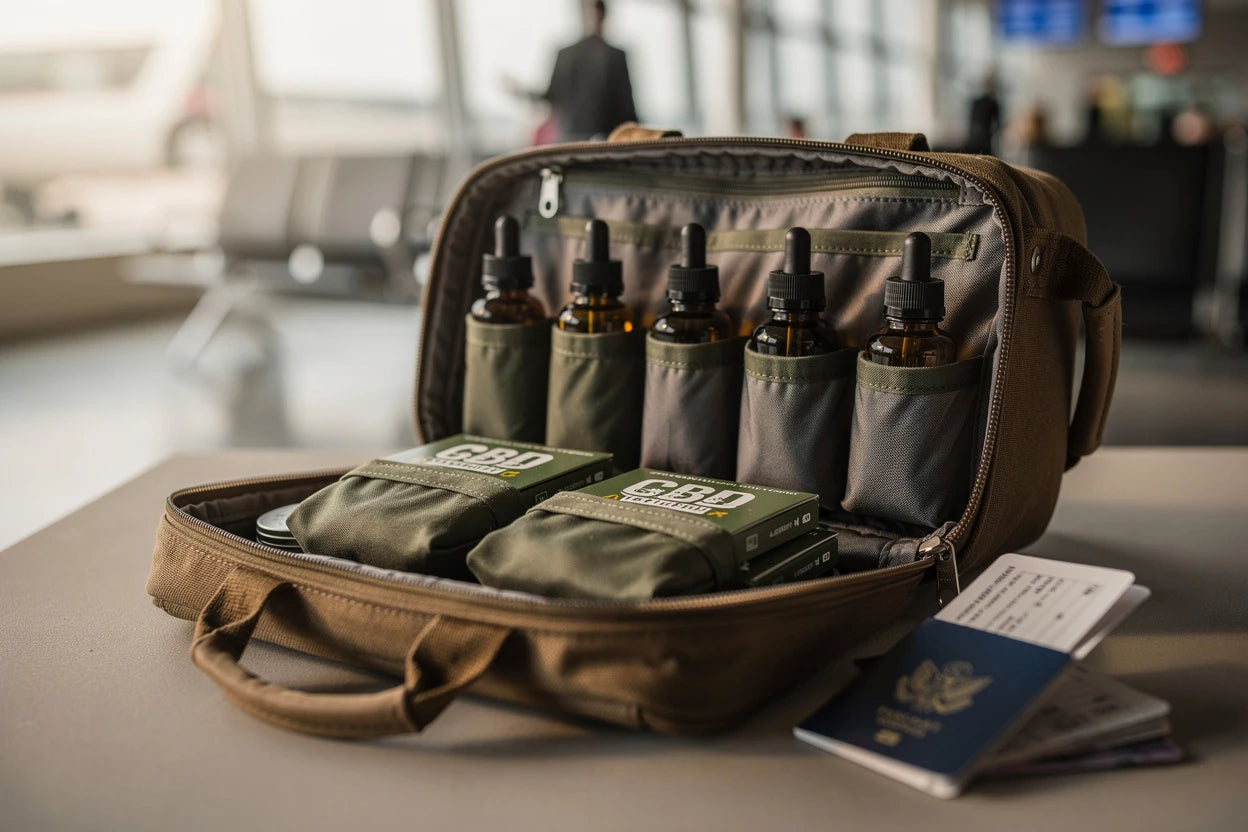
The question of whether one can travel with CBD has become increasingly relevant as laws evolve and products appear everywhere from health shops to convenience stores. Navigating the web of tsa regulations, airport security checks, and shifting international laws requires careful preparation. Understanding what types of CBD are allowed and where helps travelers avoid stress, especially when preparing for a flight or road trip.
Understanding CBD and its legal status
CBD, or cannabidiol, is derived from hemp or marijuana plants but does not cause the psychoactive effects linked to THC. With the passage of the 2018 Farm Bill, hemp-derived cbd containing less than 0.3% THC became legal at the federal level in the United States. However, those considering travel must remember that legality often depends on thc content limits and whether the product is sourced from hemp.
TSA regulations align with these federal guidelines. While security officers do not specifically search for substances like CBD, they will report anything suspicious, including items exceeding permitted THC levels. Confusing hemp-derived cbd with other cannabis products can lead to unnecessary complications and stress during travel. If you are looking for dependable sources of CBD that ensure adherence to quality standards, you might consider exploring premium CBD products designed for UK consumers.
How do TSA regulations affect travel with CBD?
Traveling by air within the United States means following rules set by the Transportation Security Administration (TSA). The agency enforces federal law, allowing cbd products with up to 0.3% THC on flights. To prevent confusion during baggage checks, packaging should clearly state thc content limits.
Despite proper packaging, not every item passes inspection. Certain edibles, oils, or vapes may prompt extra scrutiny if their ingredients seem questionable. TSA officers have authority to refer cases to local law enforcement if doubts arise about legality under federal law, potentially causing delays or confiscation of products.
Checked luggage and carry-ons: What are the differences?
For domestic flights, cbd oils and tinctures under the liquid limit—typically 3.4 ounces (100 ml)—may be placed in carry-on bags. Larger bottles should go into checked luggage to meet airline and TSA size policies. Vape pens and cartridges must remain in carry-ons due to regulations concerning lithium batteries.
To avoid hold-ups at security, labeling all containers neatly is advisable. In addition to quantity and labeling, carrying valid documentation supporting medical use exceptions can ease the process, particularly when prescriptions are involved. Having a deeper understanding of how the endocannabinoid system interacts with cannabinoids may further inform your discussions with officials if questions arise about medical usage.
FDA-approved products and quality assurance
Authorities recommend selecting fda-approved products whenever possible, as these follow strict manufacturing standards. Such approval reduces risks associated with contaminated or mislabeled goods and provides greater credibility at checkpoints, helping travelers avoid misunderstandings.
Not all available products are FDA-endorsed, but choosing items labeled as tested, certified, or compliant with current standards still lowers risk. Checking labels for batch numbers, THC percentages, and lab results builds trust throughout the journey.
International travel restrictions: What changes outside the US?
While navigating domestic airports can feel straightforward once U.S. laws are understood, traveling internationally introduces new challenges. Each country sets its own legality in other countries and acceptable thc content limits. For example, several European nations permit CBD but may enforce stricter thresholds—sometimes only 0.2% THC instead of 0.3%.
Overlooking these details can result in severe consequences. Some destinations impose strict penalties for even minor violations of drug-related rules. Border authorities rarely make exceptions for travelers who are unaware of local laws, so understanding regulations before departure helps prevent unexpected legal trouble abroad.
Legality in other countries: Every destination is different
Before heading overseas, researching each stop is essential. Countries like Canada and parts of Western Europe allow specific forms of CBD within defined THC limits, while others ban any extracts regardless of source. Many Asian and Middle Eastern countries maintain some of the world's most restrictive policies regarding cbd possession.
Those crossing multiple borders face additional complexity; what is legal in one nation could be problematic just hours later. Remaining informed saves time, hassle, and potential legal fees, especially when making connecting flights or visiting multiple regions in one trip.
Medical use exceptions and necessary documentation
Individuals prescribed CBD for legitimate medical reasons may sometimes qualify for exemptions. However, proof remains essential—bring original prescription documents and comprehensive doctor instructions in English, particularly when flying internationally.
Even so, exemptions do not guarantee acceptance. Airport and border personnel may approve or deny supplies based on national law, urgency, and presented documentation. Since procedures vary widely, consulting embassies or consulates before leaving home clarifies requirements and avoids confusion upon arrival.
Practical tips and alternatives for safer travels
Many travelers seeking relaxation on vacation prefer to avoid legal uncertainty by taking preventive measures. Some opt not to bring CBD at all, while others meticulously plan to comply with regulations at both ends of their journey.
Key steps include preparing complete documentation, checking expiration dates, confirming local laws, and choosing reputable suppliers who provide test results and accurate labeling. Verifying these aspects in advance helps sidestep common issues faced during transit.
- Separate and clearly label all CBD items by type and dosage
- Use original packaging displaying precise content information
- Carry supporting documents for medical use exceptions
- Review airline and airport-specific policies ahead of time
- Avoid products from unreliable sources
Purchasing CBD at your destination
Buying cbd after arriving sidesteps transport concerns, yet brings its own considerations. Not all shops offer safe or legal goods, making it vital to inspect ingredient lists and certification marks locally.
Selecting local products also involves adapting to different production standards and marketing claims, especially in places with less experience regulating CBD. Whenever possible, choose outlets recommended by residents or trusted online communities sharing recent feedback.
What happens if regulations are unclear?
Sometimes, laws leave gray areas that confuse even seasoned travelers. When uncertain, contacting customs agencies or airlines directly provides reliable guidance, preventing unpleasant surprises at check-in or landing. Never assume previous experiences will always apply, as regulations can change frequently.
Many people decide to err on the side of caution, turning to alternatives such as topical creams or dietary adjustments when clarity is lacking. Prioritizing personal safety and legal compliance ensures smooth, enjoyable travel without disruptions caused by evolving or conflicting rules.


