

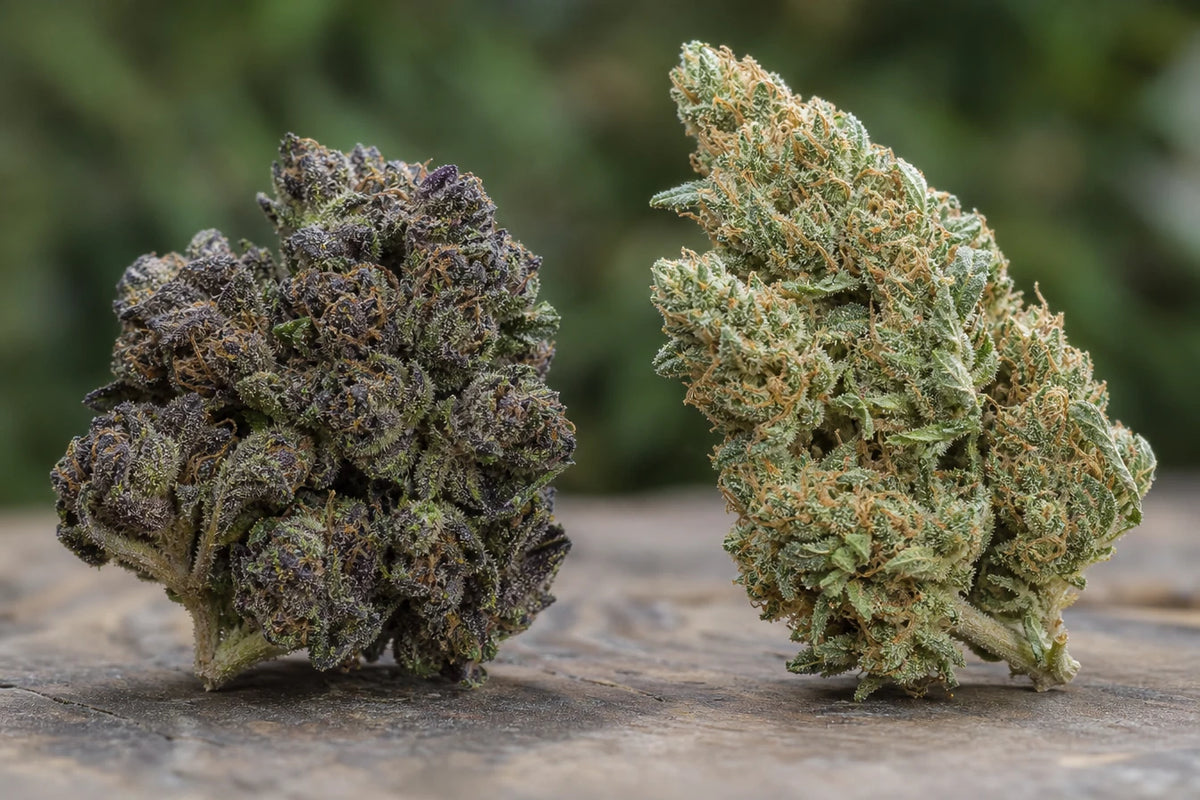
Among CBD-rich cannabis strains, two names regularly capture attention: CBD Kush and CBD Haze. While both promise non-intoxicating benefits, their distinct origins, effects, and characteristics set them apart for different preferences. Understanding these differences is essential for navigating the world of cannabidiol and making informed choices. This guide explores what separates CBD Kush from CBD Haze, covering aspects such as indica or sativa dominance, terpene profile, and cannabinoid content.
Main botanical origins and genetics
Examining the backgrounds of CBD Kush and CBD Haze reveals how their genetic history shapes every aspect of the plant, from growth structure to effect. For those interested in the broader differences between indica and sativa varieties, including their impact on CBD content, exploring indica and sativa CBD strains can provide valuable context. The blend of original parent strains determines their unique features.
This genetic foundation explains why experiences with each variety can feel so distinct. Genetics influence not only the effects but also factors like growth patterns and even visual appearance.
The parentage behind cbd kush and cbd haze
CBD Kush typically traces its lineage to classic Kush strains combined with high-CBD hemp or hybrids. These roots make it an indica-dominant strain, and such varieties are often available as premium CBD flowers for those seeking quality options. Its structure often shows short, dense bushes—traits inherited from robust Afghani ancestry alongside modern CBD-focused breeding.
In contrast, CBD Haze draws from the renowned Haze family tree, resulting in a sativa-dominant background. South American or Southeast Asian genetics merge with CBD-rich lines, producing taller plants with wider spacing between nodes and longer flowering periods characteristic of sativa dominance.
The role of genetics in shaping character
The indica-dominant heritage of CBD Kush leads to compact growth, ideal for limited spaces and quicker harvests. Meanwhile, sativa-dominant CBD Haze thrives with ample room and requires more patience due to its extended flowering cycle.
This fundamental DNA difference underpins all further contrasts, including the relaxing effect associated with CBD Kush and the energizing effect that defines most CBD Haze experiences.
Comparing bud density and visual appearance
Buds catch the eye with color, structure, and trichome presence. CBD Kush and CBD Haze differ noticeably here, influenced by their respective genetics and cultivation styles.
Growers frequently note contrasting traits at first glance—a direct result of indica versus sativa influences on bud density and appearance.
- CBD Kush: Tight, compact nugs, rich in resin with deep green tones and occasional purple highlights
- CBD Haze: Airier, lighter green buds, typically longer and less dense with fluffy calyxes and striking orange hairs
Bud density matters for both storage and consumption. Dense flowers from CBD Kush handle efficiently, while the lighter structure of CBD Haze lends visual appeal and breaks apart easily for use.
No single form is “better”—the ideal choice depends on personal priorities, whether seeking efficiency or appreciating nuanced aesthetics.
Differences in terpene profile and aroma
Terpenes are aromatic compounds that define each cannabis strain's scent and character. Analyzing the terpene profile reveals why certain users gravitate toward one variety over the other, as terpenes influence both flavor and perceived effects.
Both CBD Kush and CBD Haze develop distinct blends of terpenes during cultivation, offering a diverse sensory experience suited to different moods and tastes.
Aroma signature of cbd kush
The terpene profile of CBD Kush leans toward earthy, spicy, and sweet notes. Common terpenes include myrcene, linked to a relaxing effect, along with secondary hints of sandalwood, pine, and berries provided by beta-caryophyllene and limonene.
Opening a jar of well-cured CBD Kush often releases a wave of rich, pungent aromas, reminiscent of traditional hashish or incense.
Aroma and taste of cbd haze
CBD Haze presents a brighter, citrus-driven bouquet, thanks to dominant terpenes like limonene and pinene. These contribute fresh lemon, orange, and herbal qualities, accompanied by subtle spice or floral undertones from terpinolene and ocimene.
The scent is sharper and more invigorating, echoing the energizing effect expected from Haze genetics. Flavors mirror this liveliness—zesty, bright, and slightly sweet after each exhale.
Effects: relaxing versus energizing
Exploring the impact on mind and body reveals another important distinction. While both strains deliver low psychoactivity due to reduced THC, their dominant genealogies shape very different experiences.
From intake to aftereffects, the chosen variety can transform the overall sensation, catering to varied wellness goals and personal routines.
Effects commonly reported with cbd kush
CBD Kush is favored for those seeking a relaxing effect. Many report calm physical sensations, peace of mind, and gentle muscle relaxation, making it popular for evenings or coping with stressful moments.
This calming profile stems from its indica-dominant genetics and a terpene mix rich in myrcene, promoting restfulness without causing sedation or mental cloudiness.
Typical sensations from cbd haze
CBD Haze is known for delivering an energizing effect tied to its sativa-dominant nature. Users often mention increased focus, uplifted mood, and a clear-headed drive suitable for daytime activities or creative projects.
Pinene and limonene support alertness, while lower concentrations of sleep-inducing terpenes help maintain motivation. High cbd content prevents overstimulation, providing energy free from anxiety or jitteriness.
Variations in cannabinoid content
Although both are considered CBD-rich varieties, their exact cannabinoid content differs in ways that matter. Assessment of thc content, cbd content, and the presence of minor cannabinoids such as cbn and cbc provides deeper insight.
Laboratory testing supplies cultivators and consumers with transparent information regarding the medicinal and wellness potential of each strain.
- CBD Kush: Typically offers moderate-to-high cbd content, very low thc content (often below legal limits), and trace levels of cbn or cbc, supporting a full-spectrum effect without intoxication.
- CBD Haze: Delivers similar or slightly reduced cbd content, matching low thc content, and sometimes features a broader array of minor cannabinoids, enhancing therapeutic diversity while avoiding psychoactivity.
Even small amounts of minor cannabinoids may enhance entourage effects, adding anti-inflammatory or calming elements that contribute to each strain’s distinctive profile.
Actual cannabinoid content varies based on phenotype, cultivation methods, and curing processes. Both strains, however, provide reliably high CBD with minimal THC for those wishing to avoid strong psychoactive reactions.
Typical uses and user scenarios
Individual needs and daily rhythms influence the choice between CBD Kush and CBD Haze. Whether seeking evening tranquility or a focused start to the day, each variety excels in specific settings.
Recognizing the best scenarios for each supports tailored selection and maximizes satisfaction.
- CBD Kush: Suited for nighttime, yoga, post-work relaxation, or any moment needing a peaceful, restorative atmosphere. Its relaxing effect enhances slow-paced, mindful activities.
- CBD Haze: Ideal for mornings or afternoons, offering light stimulation for concentration, social interaction, or creative pursuits. Those preferring clarity without drowsiness often select this sativa-dominant option.
Some find value in alternating the two—using CBD Haze for daytime vitality and transitioning to CBD Kush by nightfall for comprehensive wellness throughout the day.
Ultimately, the right fit depends on desired outcomes and individual response, emphasizing the importance of experimentation guided by thoughtful observation.
Final thoughts on choosing between cbd kush and cbd haze varieties
Selecting between CBD Kush and CBD Haze involves balancing priorities such as relaxation, energy, aroma, and visual appeal. Indica-dominant CBD Kush brings dense buds, earthy-sweet scents, and a deeply relaxing effect perfect for restful nights or unwinding. By contrast, sativa-dominant CBD Haze offers uplifting aromas, lighter buds, and an energizing effect ideal for active engagement and brighter moods.
Continued exploration uncovers new favorites and unexpected nuances beyond simple categories. Personal experience remains the most reliable guide as the CBD market evolves, constantly revealing new possibilities for discovery and refinement.


