

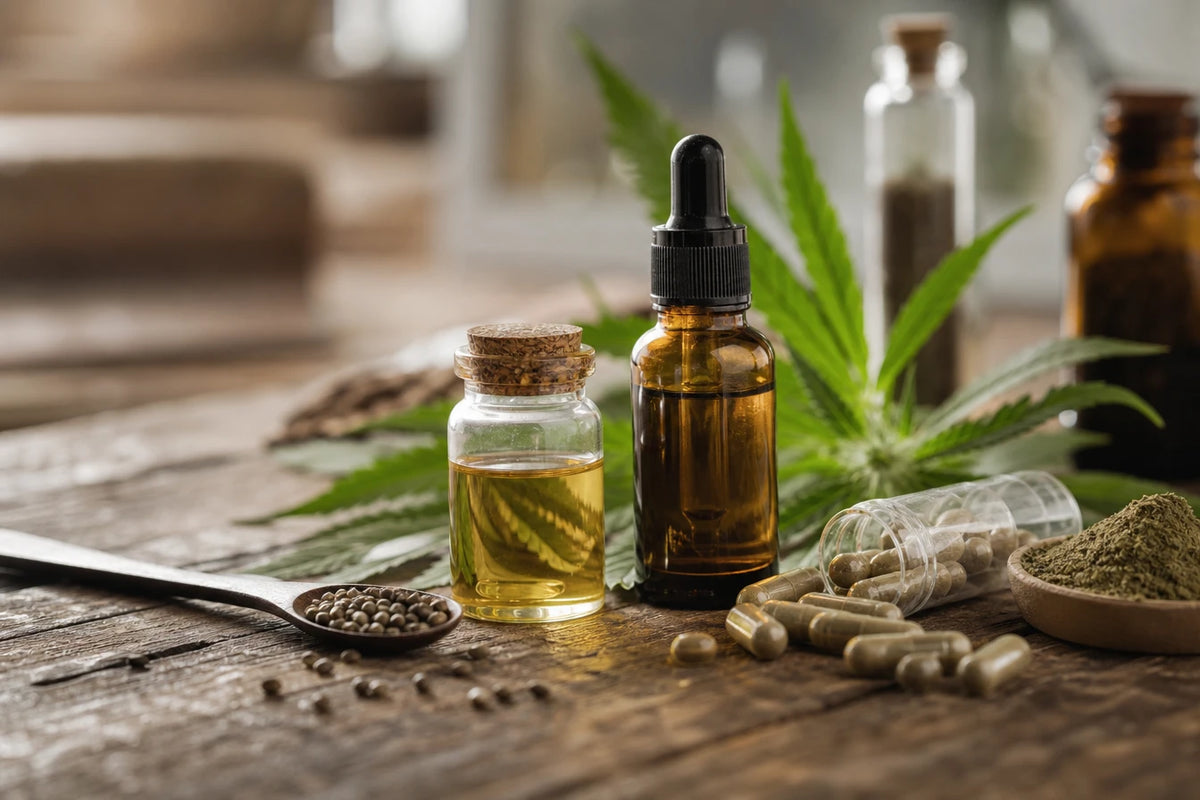
Cbd, short for cannabidiol, often finds itself at the center of heated debates and persistent rumors. As interest in cbd continues to grow, so do misconceptions and myths surrounding what it is, how it works, and whether its use is truly legal. Sorting fact from fiction remains crucial for anyone considering cbd products—whether driven by wellness goals, medical needs, or simple curiosity. Let’s dig deeper into ten of the most common myths about cbd, examining each in detail to clarify what this compound really does—and does not—offer.
Does cbd get users “high”?
A widespread belief links cbd directly to psychoactive effects simply because it derives from the cannabis plant. If you want to understand why cbd does not cause a high, you can read more about how CBD is non-intoxicating. This assumption leads some individuals to worry that trying cbd might cause intoxication or altered mental states similar to those resulting from marijuana use.
The reality differs significantly. Cbd is non-intoxicating and does not create the sensation of being “high.” The mind-altering effect commonly associated with cannabis actually comes from thc (tetrahydrocannabinol), a separate cannabinoid. While cbd interacts with the body’s endocannabinoid system, it does not trigger the same receptors as thc. For those looking to explore potential benefits without fear of impairment, cbd offers a viable option.
Is cbd addictive or likely to cause dependency?
Concerns regarding addiction and dependency prevent many people from trying cbd-based products. Given the longstanding stigma attached to cannabis-related substances, some individuals automatically group cbd with drugs known for their habit-forming properties.
Current research and scientific evidence shows that cbd does not carry the same risk of causing addiction as other controlled substances. The World Health Organization has reported that pure cbd demonstrates no effects indicative of abuse or dependence potential in humans. Interestingly, some studies are even exploring cbd’s possible role in supporting management of substance dependence, and using hemp flower and CBD as alternatives to THC and smoking weed is gaining attention, further dispelling misunderstandings around this topic.
What is the legality of cbd?
Legality of cbd varies by region and source, which creates confusion among consumers. Some believe all forms of cbd remain illegal merely due to their cannabis origins. This myth persists despite changing regulatory landscapes across many countries.
In several regions, cbd derived from hemp containing less than 0.3% thc is legally permitted for sale and use. However, laws differ according to federal, state, or national boundaries. Anyone interested in using cbd should consult local regulations before purchasing or transporting these products. Sourcing from reputable companies, such as those offering premium CBD flower, helps ensure compliance and enhances the overall safety of cbd obtained in various markets.
Are side effects and adverse events from cbd common?
Another frequent misconception warns that cbd brings an extensive list of side effects and adverse events much like pharmaceutical drugs. Media reports sometimes highlight negative reactions, raising public suspicion.
Most research suggests that cbd is generally well tolerated by healthy adults. While occasional side effects such as drowsiness, dry mouth, or appetite changes may occur, these are usually mild and resolve with dosage adjustments. Consulting healthcare professionals remains wise, especially for individuals taking other medications or managing chronic health conditions, to minimize any risks related to adverse events.
Does cbd work for everyone?
The idea that cbd serves as a panacea or cure-all frequently circulates online. Marketing campaigns sometimes promise dramatic results for nearly every ailment, fueling the belief that cbd boasts universal effectiveness as medicine.
However, the truth is more nuanced. Research and scientific evidence supports cbd’s promise in specific areas, including epilepsy, anxiety, and pain management. Results vary between individuals and conditions, and cbd should not replace conventional therapies for serious diseases. Expectations are best set by science rather than unsubstantiated claims.
How strong is the association with marijuana?
Confusion often arises from conflating cbd with marijuana. Since both originate from the cannabis family, questions about their relationship are common. Some mistakenly think consuming cbd is identical to ingesting marijuana or thc-rich products.
Cbd generally comes from industrial hemp, cultivated for minimal psychoactive content and other uses like fiber and seeds. In contrast, THC-dominant strains used recreationally represent different breeds with unique purposes. Recognizing these distinctions helps clarify misconceptions and myths about their association and addresses concerns rooted in outdated stereotypes or misinformation.
Does cbd lack research and scientific evidence?
The rapid rise in cbd’s popularity prompts questions about the sufficiency of research and scientific evidence behind its claimed effects. Skeptics sometimes argue that enthusiasm outpaces reliable data.
In reality, clinical trials and peer-reviewed studies increasingly examine cbd’s impact on various conditions, particularly epilepsy syndromes such as Dravet syndrome and Lennox-Gastaut syndrome. Regulatory approval of certain cbd-based medicines signals growing scientific validation. Still, more long-term research is needed to confirm efficacy for broader uses and specific populations.
Is cbd entirely safe?
Some sources suggest that cbd poses zero risks or that it is always completely free from harm. Such marketing hype can promote the absolute safety of cbd and encourage uninformed self-experimentation.
Although most people tolerate cbd well at recommended doses, no supplement or medication can guarantee total absence of risk. Interactions with prescription drugs can still occur, and quality control issues persist in unregulated markets. To make informed choices, consumers should seek advice from qualified professionals and choose third-party-tested cbd products whenever possible.
Will cbd show up on drug tests?
This concern lingers among employees and athletes subject to regular testing. Myths abound that any use of cbd will guarantee a failed test, which may have professional or legal implications.
Pure cbd isolates contain no detectable thc, so standard drug screenings targeting marijuana typically yield negative results. However, full-spectrum cbd oils may include trace amounts of thc, and consistent use over time could result in cumulative exposure. Reported cases of positive drug tests are rare when using certified low-thc products, but understanding formulation specifics and proper labeling is key to addressing lingering worries.
Is cbd fully regulated and quality guaranteed?
Many buyers assume all products labeled as “cbd oil” or “hemp extract” adhere to strict quality controls and regulatory standards. Nevertheless, ongoing misconceptions and myths surround uniform oversight in the marketplace.
- In numerous regions, the cbd industry remains largely self-policing, so product purity and label accuracy fluctuate greatly.
- Independent laboratory testing offers reassurance but is not always mandatory for manufacturers. Consumers must evaluate certificates of analysis to verify cannabinoid content and screen for contaminants such as pesticides or heavy metals.
Well-informed consumers demand documentation and consistent transparency from retailers. Taking proactive steps reduces the risk of encountering mislabeled or adulterated items. As legislative reform progresses, expectations for cbd regulation and product quality continue to evolve worldwide.
What are some persistent misconceptions and myths about cbd?
Are all types of cbd equally effective?
Distinguishing between isolate, broad-spectrum, and full-spectrum cbd reveals another area filled with confusion. Not every variety produces equivalent effects, yet some sources imply otherwise.
Full-spectrum extracts combine cbd with additional cannabinoids and terpenes, potentially enhancing therapeutic outcomes through the so-called entourage effect. Isolate formulations deliver only pure cbd. Understanding these categories allows participants to tailor selections based on individual needs and desired experiences.
Can everyone use cbd safely?
While cbd appears promising for a variety of groups, assumptions about universal safety of cbd ignore important individual differences. Very young children, pregnant women, and vulnerable populations require personalized assessment before adding cbd to their routines.
As research sheds light on long-term impacts and special circumstances, adopting a cautious approach ensures responsible use. Personalized guidance maximizes intended benefits while avoiding unexpected complications.
Where does the conversation about cbd go from here?
Interest in cbd continues to rise, but separating science from speculation keeps discussions productive. Dispelling misconceptions and myths encourages a reasoned outlook and protects against disappointment or unintended consequences.
For newcomers and experienced users alike, reviewing current literature and consulting healthcare specialists advances collective understanding. Remaining alert to updates in regulation, clinical studies, and market trends positions consumers to benefit responsibly as this dynamic field develops. As more evidence emerges and safety profiles become clearer, clarity will replace confusion and empower better decisions regarding cbd use.


