

CBD News

CBD and mental health : what people are saying
Interest in CBD's impact on mental wellness has surged in recent years. Across online forums, personal blogs, and interviews, many individuals share experiences about using CBD for various mental health concerns. There is widespread discussion of how CBD may help with anxiety, depression, insomnia, and other issues. However, questions still remain regarding the efficacy of CBD for psychiatric conditions, its safety, and the strength of scientific evidence supporting these claims. The buzz surrounding cbd and anxiety CBD and anxiety are frequently discussed together when it comes to natural approaches to stress relief. Many describe experiencing a sense of calm after taking CBD oil or capsules, reporting that it helps manage anxious thoughts during stressful times. These personal accounts often mention reduced physical symptoms such as racing heartbeats or muscle tension after starting CBD supplements. Some people looking to learn more about typical responses can benefit from reading about the feelings experienced after taking CBD according to testimonials. Yet not all reports are positive. Some individuals feel only mild relief, while others notice no change at all. As these stories circulate, curiosity grows about why CBD seems effective for some but not others. This unpredictability makes dosing and individual response key topics among those exploring alternative treatments for anxiety. User experiences: finding relief? Online communities are filled with stories from people turning to CBD products when traditional options fall short. They describe how CBD creates a soothing effect that sometimes rivals mainstream medications, especially for social anxiety or generalized worry. Reports suggest that incorporating CBD into daily routines—whether through oils, gummies, or vapes—can provide additional comfort, even in high-pressure situations like public speaking. Some highlight experiencing fewer side effects compared to pharmaceutical anti-anxiety drugs. Still, not every account is positive; a few mention drowsiness or digestive discomfort after use, raising important questions about the safety of CBD for those sensitive to cannabinoids. Considerations about limited scientific evidence Despite growing enthusiasm, the scientific community urges caution. Current research into CBD and anxiety remains limited, with small studies showing mixed results. Some trials indicate moderate reductions in anxiety scores, but large-scale, placebo-controlled investigations are still missing. This gap between popular use and conclusive data means recommendations often rely more on shared experience than clinical proof. Public health experts advise careful reading of product labels and consultation with healthcare providers before beginning any new supplement, especially for individuals already managing psychiatric conditions. Cbd and depression: hope or hype? Discussions about CBD and depression focus on whether this cannabinoid can truly offer mood support. Supporters believe CBD helps ease sadness, improves motivation, and brings mental clarity during difficult periods. Critics remain skeptical, pointing out that rigorous, long-term studies are still lacking. The line between genuine optimism and overstatement continues to fuel debate both online and offline. Many seeking alternatives to standard treatments express interest in adding CBD to their regimen, particularly when side effects from medication interfere with daily life. Shared stories reveal trial-and-error processes, where some find noticeable improvements in mood, while others report little to no effect. Improved sleep patterns Milder emotional lows Easier management of stress triggers Occasional disappointment with lack of effect How is cbd used for insomnia and chronic pain? CBD and insomnia represent another major topic within mental health circles. Users note that consistent supplementation sometimes leads to deeper, less disrupted sleep. These testimonials become even more compelling when paired with stories about difficulty quieting an active mind at bedtime or experiencing sleep disruptions due to anxiety or depression. For those seeking natural routines, CBD tea blends designed for relaxation have been highlighted as a gentle way to wind down. Conversations about CBD and chronic pain often overlap with mental health discussions. Those dealing with persistent discomfort describe enhanced relaxation and fewer nighttime awakenings after beginning CBD. Online, many emphasize that better sleep contributes to improved daytime mood and greater resilience against daily stresses. Which forms and schedules are common? Different formats suit different preferences. Some prefer tinctures for precise dose adjustments, while others choose capsules or edibles for convenience. For insomnia, evening dosing is favored, whereas those managing anxiety or chronic pain may opt for smaller amounts throughout the day. Patience is a recurring theme in user stories. Benefits rarely appear overnight, and individuals commonly advise starting with low doses, carefully monitoring effects, and increasing gradually as needed. This cautious approach underscores ongoing questions about the overall efficacy and safety of CBD. Interactions with other treatments Combining CBD with prescribed medications for insomnia or chronic pain raises important considerations. While many self-experiment without issue and share their results online, some mention possible interactions or changes in how prescription drugs work after adding CBD. This highlights the importance of open communication with healthcare professionals and reinforces the need for medical supervision when integrating CBD into complex treatment plans, especially for existing psychiatric conditions. Controversies and emerging discussion topics Enthusiasm about CBD and mental well-being has not silenced skepticism. Some focus on the safety of CBD, referencing minor side effects like fatigue or gastrointestinal upset. Others raise concerns about the unregulated nature of certain CBD products, noting inconsistent quality and dosing accuracy. Unanswered questions persist around long-term effects, especially among vulnerable groups such as teenagers or those with severe psychiatric diagnoses. Discussions also touch on the relationship between CBD and psychosis, or CBD and PTSD. While there is hope for future discoveries, health professionals continue to urge caution. CBD and psychiatric conditions: where does the science stand? Most available data address symptoms like mild anxiety or trouble sleeping, rather than full-blown psychiatric illnesses. A handful of studies investigate whether CBD might reduce certain symptoms linked to schizophrenia or bipolar disorder, but solid, large-scale evidence is still missing. Discussions in online communities reflect this uncertainty, with participants weighing risks and sharing updates about ongoing research. Until a broader consensus emerges, those interested in using CBD for psychiatric conditions advocate for a careful, informed approach. Sifting through personal stories and scientific insights Experiences shared online vary widely—from transformative improvements to minimal or no effect. Individual reactions play a significant role in shaping perceptions, yet most agree on one point: reliable, independent research will be crucial to answer lingering questions about the efficacy and safety of CBD for mental health. For now, exploration continues alongside efforts to gather meaningful scientific evidence. Readers observe that updated regulations, clearer labeling, and extensive studies could soon influence both public perception and professional guidance, paving the way for more definitive answers about CBD’s role in mental wellness routines.
Learn more
Indica vs sativa vs hybrid: what’s the real difference?
Curiosity about cannabis strains often sparks the classic debate: indica vs sativa vs hybrid. Dispensary menus and online forums are filled with advice on which type supposedly delivers relaxation, energy, or a blend of both. After decades of popular culture promoting a simplistic story, many now wonder—what’s the real difference? Modern research is debunking old myths while revealing genuinely useful facts for those seeking different experiences from their herb. Physical appearance: how do these plants really look? For years, the physical traits of cannabis plants have defined the traditional divide between indica and sativa types. Yet, appearances can sometimes mislead when trying to predict effects. Indica varieties usually show a shorter plant height, with broad, bushy leaves in deep green tones. In contrast, sativa plants stretch taller, featuring slender, spiky fingers from lighter-green leaves. Growers also notice differences in flower density: indica buds tend to be thick and tight, while sativa flowers grow more loosely along extended branches. Growing characteristics: which grows faster and yields more? Growth involves more than just height. Indicas generally mature faster, reaching harvest in eight to ten weeks—a feature attractive to cultivators seeking quicker cycles. Sativas may take up to fourteen weeks to finish flowering, but reward patient growers with vigorous branch development and impressive size. When it comes to flower production, indicas typically yield dense, resinous buds. Sativas cover more space but provide less compact harvests. Hybrids, depending on their genetic mix, display a combination of these growing features. Color variations and leaf shape Looking closer at color reveals even more complexity. Indicas often maintain rich, dark hues throughout their foliage and buds. Sativas lean toward paler greens, sometimes showing hints of yellow. The leaf shape remains a clue: indicas offer wide “paddle” blades, while sativas present elongated, thin fingers. However, modern hybrids frequently break these visual rules by blending colors and forms from both parental lines. Today, identifying a strain’s lineage based solely on appearance proves much harder than it once was. Indica effects vs sativa effects: fact or myth? Most consumers have heard the familiar claim: indica equals relaxing, calming, sedating, body-focused effects; sativa brings energizing, uplifting, invigorating, alert, and active sensations. Many select strains based only on these perceived effects. But scientific research paints a far more nuanced picture. You can learn more about the distinctions and historical perspectives on these classifications by exploring this overview of sativa versus indica strains. Lab analyses reveal significant overlap in cannabinoid content between indicas and sativas, contrary to old stereotypes. Some sativa-labeled strains can produce drowsiness, while certain indicas leave users feeling uplifted. What most people experience depends more on individual cannabinoid balance—especially THC and CBD levels—and terpene combinations, rather than strict strain labels. Cannabinoid balance and thc content Each strain contains its own unique profile of cannabinoids like THC, CBD, and minor compounds. Highly potent strains deliver strong psychoactive experiences regardless of whether classified as indica or sativa. Others feature a milder cannabinoid balance, resulting in gentle or manageable effects. The idea that all indica varieties have more THC and all sativas contain less does not stand up to scientific scrutiny. Flower testing now shows immense variability within every group, prompting a serious reconsideration of traditional categories. For those interested in responsible usage and understanding product options, reputable suppliers such as premium CBD providers offer further guidance based on contemporary research. Perceived effects vs reality Expectations about feelings versus actual results create questions for many new users. Perceived effects are often shaped by budtender advice, product packaging, and pop culture more than biology. Environmental factors, method of consumption, and personal metabolism all play vital roles—sometimes overriding strain classification entirely. Attributing a specific outcome solely to indica or sativa lineage rarely matches the true complexity of the cannabis plant. Desired outcomes relate closely to chemical structure and each person’s unique physiology. The rise of hybrids: somewhere in the middle Over time, breeders have intentionally blended strain families, creating an extensive range of hybrid options. Pure indicas and sativas are now increasingly rare; most commercial plants possess mixed genetics. Hybrid effects represent a combination of traits inherited from both sides. Some hybrids encourage relaxation without excessive sedation, landing comfortably between couch-lock and lively stimulation. Others highlight distinct flavors or aromas thanks to intricate genetic mixing. Why do hybrids dominate the market? Growers pursue hybrids for several reasons. By combining speedy flowering times from indicas with the branch vigor and size of sativas, cultivators develop plants suited for diverse conditions. Consumers then benefit from novel effect profiles beyond what either parent could offer alone. The abundance of hybrid strains allows for customization. A single batch might deliver creative focus alongside full-body comfort, blurring any rigid line between the original categories. Mix of various effects: benefits and appeal Those searching for a “just right” experience often prefer hybrids offering various effects within one plant. This approach means enjoying mellow euphoria, muscle relaxation, alert conversation, or a soothing evening wind-down—all from a single product. Rather than seeking perfection in one pure type, many appreciate the experimental nature of hybrids and the freedom to personalize their journey. Blended genetics cater to both seasoned enthusiasts and newcomers alike. No real difference or just an oversimplification? Researchers studying cannabis genetics agree: the simple split between indica and sativa is a myth rooted in storytelling rather than science. Modern laboratory analysis exposes extraordinary diversity within each label, making it clear that predicting effects requires nuance. Anyone eager to try cannabis will likely achieve better results by trusting plant chemistry, reputable lab results, and honest self-reflection, rather than relying solely on outdated labels. Cannabis culture continues to evolve rapidly, but embracing complexity and open-minded exploration helps everyone enjoy this ever-changing landscape. The classic indica-sativa divide simplifies a complex genetic family tree. Plant appearance gives some clues but no guarantees about effects. Actual impact relies on the interplay of cannabinoids, terpenes, and individual response. Hybrids reflect the blending of desired qualities, not strict divides. Scientific analysis outranks handed-down stories when choosing the right strain.
Learn more
CBD drink recipes: teas, infusions and cocktails
The universe of cbd drink recipes is blossoming with innovation, offering everyone exciting new ways to experience the benefits of cannabidiol. From calming cbd teas to lively cannabis-infused drinks, there is something for every palate and occasion. More people are discovering the pleasure of herbal infusions and cbd cocktails, not just for wellness but also for their unique flavors and memorable moments. Whether seeking comforting hot drinks or vibrant summer beverages, a creative recipe is always ready to elevate daily routines. Understanding the basics of cbd drinks Cannabidiol, known as CBD, is extracted from hemp, a variety of the Cannabis sativa plant. Unlike THC drinks, these beverages do not produce psychoactive effects, allowing individuals to enjoy them at any time of day. Cbd infused beverages bring subtle relaxation and a fresh twist to traditional drink experiences. One key advantage of cbd drinks is their versatility across different beverage styles. Warm or cold, each preparation brings comfort year-round. Whether serving mocktails for guests or enjoying soothing herbal infusions after dinner, there is an endless array of inventive combinations to explore. For those interested in sourcing high-quality ingredients, trusted destinations for premium CBD products in the UK can greatly enhance your beverage creations. Essential ingredients for crafting cbd beverages Creating excellent cbd drinks starts with premium cbd oil or tincture, which blends smoothly into water-based drinks such as teas, chilled mixtures, or even cocktails. Another staple is simple syrup, which harmonizes flavors and makes dosing straightforward. This sweet base highlights delicate hemp notes without overwhelming other components. A well-equipped kitchen should feature a selection of herbs for infusions, citrus fruits for brightness, and various teas—black, green, white, or herbal. These elements combine seamlessly with cbd to craft cannabis-infused drinks tailored to individual tastes. If you're looking to explore more advanced options, specialized CBD concentrates offer a refined way to experiment with extracts in your recipes. Relaxing cbd teas and herbal infusions Cbd teas offer one of the simplest introductions to this expanding world of beverage artistry. Blending aromatic loose-leaf tea with measured cbd oil creates a gentle and restorative hot drink. Adding botanicals like chamomile, mint, or lavender further enriches the experience, lending distinctive aromas to each cup. Iced teas extend these soothing qualities into warmer weather. By brewing robust tea, chilling it, and then mixing in cbd tincture and fresh citrus, the result becomes a revitalizing summer drink perfect for relaxed afternoons or sunny gatherings. A splash of homemade simple syrup provides balanced sweetness in every glass. Classic cbd chamomile tea blend This comforting classic begins by steeping chamomile flowers in hot water for five minutes. Once slightly cooled, add a few drops of cbd oil and stir gently. Optional touches like honey or lemon can bring extra flavor depth. This ritual is ideal for unwinding after a busy day. For greater complexity, try blending chamomile with dried lavender flowers. The floral notes complement the earthy undertones of cbd, making each mugful especially soothing and fragrant. Take time to savor slowly, perhaps while reading or listening to music. Refreshing iced cbd green tea Brew high-quality green tea and let it cool to room temperature. Add lemon slices, fresh mint leaves, and cbd tincture just before serving over ice. This crisp beverage encourages customization—experiment with ginger or berries to suit personal taste. An all-natural simple syrup made with cane sugar adds a gentle touch of sweetness. This iced creation fits beautifully among any collection of summer drinks. Its refreshing yet calming nature is perfect for outdoor picnics or quiet evenings on the patio. Adjust cbd levels to achieve the desired balance between relaxation and refreshment. Crafting memorable cbd cocktails and mocktails Cbd cocktails have become a highlight at sophisticated bars and home gatherings alike. Mixing these drinks means merging classic cocktail techniques with the subtle complexity of cbd extract. Few things demonstrate the adaptability of cbd better than a thoughtfully prepared cannabis-infused drink, where bitters, juices, and spirits accentuate its unique character. For those preferring non-alcoholic options, cbd mocktails deliver equally engaging experiences. These alternatives focus on bold herbal notes and vibrant fruit pairings, offering dynamic flavors without alcohol. Both versions create standout moments at parties, intimate get-togethers, or solo indulgence. Citrus-mint cbd mojito mocktail Muddle generous amounts of fresh mint, lime wedges, and cane sugar in a glass. Fill with crushed ice, top with club soda, and mix in cbd tincture until fully blended. The muddled mint offers an invigorating aroma, while citrus brightens the profile, making this a favorite among cbd mocktails. This recipe is easy to adapt—swap lime for blood orange or incorporate seasonal berries for variety throughout the year. Garnish with extra mint sprigs and citrus peel for a festive appearance during spring or summer events. Basil-lemon cbd gin fizz Combine gin, fresh lemon juice, basil leaves, and homemade simple syrup in a shaker. Shake well, strain into a chilled glass, and top with sparkling water. Carefully drizzle cbd oil on top, letting it float above the bubbles for visual appeal and layered flavor. These cbd cocktails marry garden-fresh ingredients with modern style. Basil and lemon provide sharp aromatics paired with botanical gin notes, while cbd adds an elegant touch without overpowering the drink. Serve at evening receptions or weekend brunches for a memorable twist. Tips for serving and storing cbd-infused drinks When preparing large batches of cbd iced teas, herbal infusions, or cocktails, always add the cbd component last and stir thoroughly for even distribution. Use clear storage containers to monitor separation, shaking gently before serving if necessary. For optimal freshness, wait to add citrus slices or delicate herbs until right before presentation. Precise measurement of cbd extracts is crucial. Begin with smaller doses and adjust based on preferred potency and serving size. Keep drinks refrigerated if not consumed immediately, especially those with fresh ingredients. Serving chilled in attractive glassware enhances both appearance and enjoyment, particularly for summer drinks and visually appealing cbd cocktails. Select high-quality cbd oil to ensure the best results. Try different tea bases—green, black, or herbal—for diverse flavor profiles. Incorporate simple syrup to mellow bitterness when crafting cbd cocktails or iced teas. Garnish with edible accents like citrus wheels, fresh herbs, or berries for a decorative finish. Carefully portion servings to match the intended cbd dosage per glass. Exploring new trends with cbd and thc drinks While cbd drink recipes lead wellness trends, some enthusiasts are exploring thc drinks where permitted by law. These beverages offer distinct effects and experiences compared to cbd counterparts. Crafting cannabis-infused drinks requires careful attention to legal guidelines and precise adjustment of dosages for safety and compliance. Innovative creators continue to experiment with dynamic blends, producing hybrid drinks that combine functional herbs and cannabinoids for truly unique sensations. Focusing on individual preferences and tolerance is essential to ensure a safe and enjoyable journey through this evolving landscape of cbd and cannabis-infused beverages.
Learn more
CBD flowers VS CBD hash: differences & effects
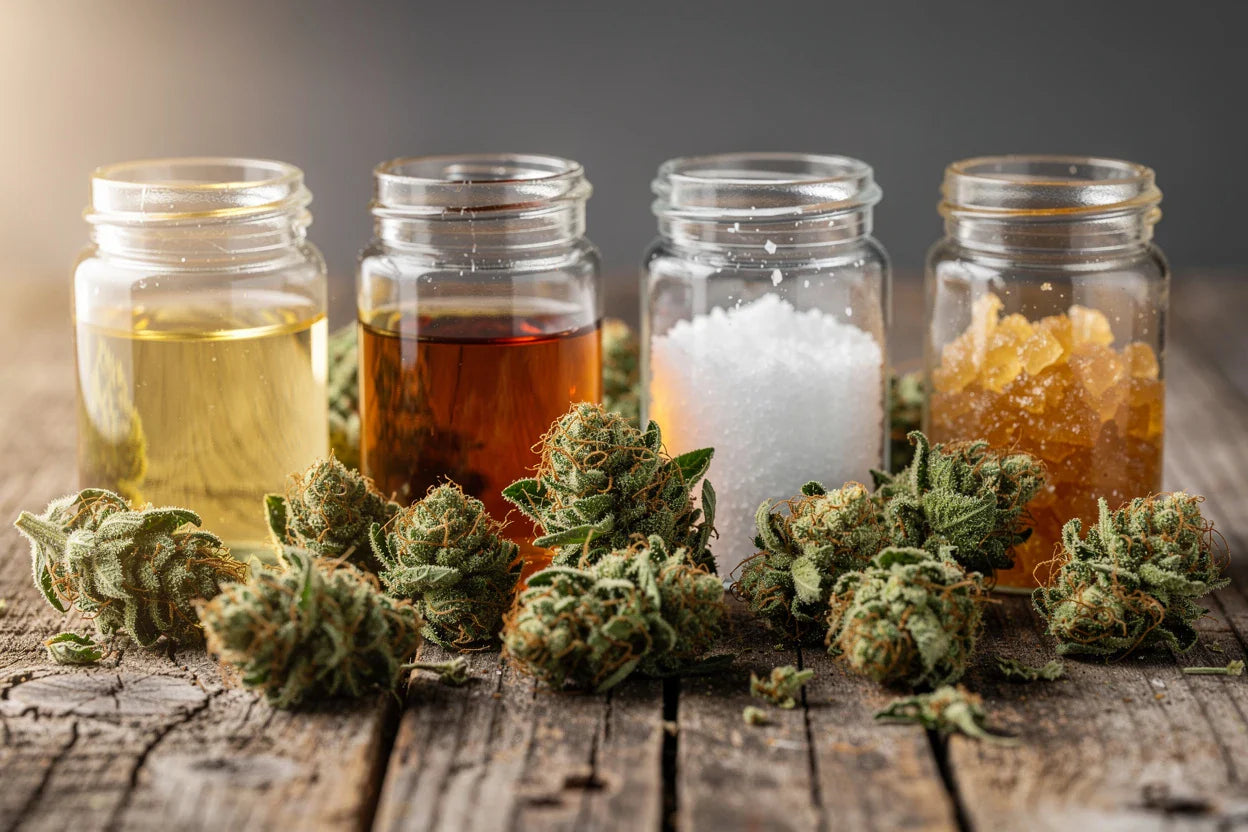
Exploring cannabidiol-based products often leads to the question of cbd flowers vs. cbd hash. Both options are well-regarded in wellness communities, yet their origins, characteristics, and uses set them apart. Choosing between these forms frequently hinges on individual preferences, lifestyle, and desired effects. Gaining insight into how they differ—and what each offers—can greatly assist anyone navigating this expanding world of cbd. Origins and extraction: where do cbd flowers and hash come from? Cbd flowers and cbd hash both stem from the hemp plant, but their journeys diverge during extraction and production. Cbd flowers are simply the dried buds harvested directly from hemp. This makes them among the most natural forms available, packed with naturally occurring compounds such as cannabinoids, terpenes, and flavonoids. In contrast, cbd hash is a concentrated product created by extracting resin and cannabinoid content from legal hemp or cannabis flowers. The sticky trichomes—glands rich in active elements—are collected and pressed into solid blocks. Thanks to this process, cbd hash boasts significantly higher cbd potency and concentration than unprocessed flowers. For those interested in learning more about similar concentrated forms and how they stand apart from classic oils, it’s helpful to explore resources that detail the differences between CBD concentrates and CBD oils. Extraction and production methods compared The preparation of cbd flowers involves cultivation, harvesting, drying, and minimal post-processing. This preserves the integrity of their natural compound profile. On the other hand, cbd hash requires mechanical or solventless techniques to separate and compress trichomes, enhancing both resin and cannabinoid content while shaping texture and appearance. These distinct approaches influence not only potency but also aroma, flavor, and usability. The chosen method directly impacts the level of cbd potency and concentration, offering users varied experiences tailored to their needs. Natural vs. processed forms: key distinctions Selecting between a minimally altered plant product and a refined concentrate can make a significant difference. Those aiming for a close-to-nature experience typically prefer cbd flowers. Conversely, individuals seeking greater strength or specific extraction profiles may find cbd hash more suitable. Each form addresses different priorities, and understanding these differences supports informed choices. While more processed items like cbd hash might lose some minor constituents, they compensate with increased strength and concentrated effects. The flower vs. concentrate debate truly centers around whether one values a full-spectrum, natural experience or targeted, high-concentration benefits. Aroma and flavor differences: what distinguishes the sensory experience? Scent and taste play a pivotal role for many enthusiasts deciding between cbd flowers and hash. Their aromatic and flavor profiles primarily depend on terpene content and profile, which vary by strain and preparation method. Cbd flowers deliver delicate, herbal fragrances ranging from earthy pine to vibrant citrus or deep berry notes. Because heavy processing is absent, terpenes remain intact, allowing each strain's authentic character to shine. This gentle, layered palate offers an inviting introduction for those new to cbd. How does the aroma of cbd hash compare? Cbd hash features a more intense aroma, often marked by musky, deeper undertones compared to flowers. The concentration of trichomes amplifies certain volatile oils, resulting in a richer and sometimes pungent scent. Many aficionados appreciate this bold fragrance, considering it a unique take on traditional hemp aromas. Flavors in cbd hash tend to be earthier and more resinous, with tasting notes that may lean toward roasted, nutty, or spicy nuances. The heightened terpene content provides a distinctive signature, often absent from milder flower varieties. Terpene content and profile: why do they matter? Terpenes offer more than just aroma—they contribute to the entourage effect, working together with cannabinoids to shape overall impact. Cbd flowers showcase a full spectrum of these flavorful compounds, such as limonene (citrus), myrcene (herbal), or caryophyllene (spicy), giving each strain its own personality. Although cbd hash contains concentrated terpenes, some subtle notes may change or diminish through extraction. Still, the density of dominant terpenes creates a pronounced impression, appealing to those who enjoy bold, unmistakable flavors in concentrates. Effects and therapeutic potential: what to expect? The effects and therapeutic promise of cbd flowers vs. hash are strongly influenced by cbd potency and concentration, as well as accompanying cannabinoids and terpenes. Flowers generally provide balanced, subtle results ideal for daily mild relief, such as gentle relaxation, improved mood, and possible tension reduction—all without intoxication. Cbd hash, thanks to its elevated concentration, tends to deliver quicker and more pronounced effects. Individuals managing chronic discomfort or seeking stronger alleviation often prefer hash for its efficiency. Importantly, both forms remain non-intoxicating, meaning neither induces the classic psychoactive effects linked to THC-rich cannabis. Furthermore, there is increasing inquiry among professionals into the relationship between CBD consumption and focus or productivity; some consumers consider the potential impact of CBD on workplace focus and distraction management when choosing a specific format. Psychoactive vs. non-psychoactive effects clarified Reputable cbd products, regardless of format, contain negligible levels of THC—the substance responsible for producing a “high.” Both cbd flowers and hash are known for their non-psychoactive effects, offering clear-headed calm rather than altered perception. Nonetheless, it remains wise to check lab certifications, especially with imported or craft-made items, to ensure alignment with personal comfort regarding psychoactive substances. Therapeutic benefits explored Both cbd flowers and hash demonstrate potential for concerns like sleep disturbances, low appetite, nervousness, and persistent aches. Factors such as sensitivity, dosage, and desired intensity determine which option is best suited to each situation. Some choose flowers for daytime balance and a lighter touch, while others favor hash for its extra intensity without requiring large quantities. For those establishing structured wellness routines, the consistency and ease of measuring hash may prove advantageous. Methods of consumption: how do ways of using these products differ? Each product presents multiple consumption methods, enabling flexibility based on individual requirements. Cbd flowers can be smoked or vaporized for rapid onset and full appreciation of terpene flavors. They may also be brewed into teas or infused in oils for culinary use. Cbd hash expands these options further. In addition to mixing with herbs for smoking or vaping, it can be melted or spread atop flower material. Its texture and purity allow precise microdosing, making it easier to regulate intake throughout the day or night. Smoking or vaping for fast absorption Edible preparations for longer-lasting effects Tea or oil infusions for a gentler approach Layering hash with flower for customized balancing The decision between flower and hash often depends on preferred delivery method and lifestyle fit. Each adapts well to various rituals and schedules, empowering everyone to personalize their experience. When to choose cbd flowers or cbd hash? Those valuing authenticity, botanical richness, and broad-spectrum wellness typically opt for cbd flowers. Beginners and individuals sensitive to strong concentrations may consider this a softer entry point. High terpene content and the preserved synergy between plant compounds enhance appeal for advocates of holistic approaches. Cbd hash appeals to anyone needing discrete, potent doses with fewer inhalations. Its compact nature and robust concentration attract experienced users and those facing ongoing challenges that require reliable, powerful effects. Clarifying intentions and comfort with handling concentrates simplifies the choice between these two formats. Flower vs. concentrate comparison at a glance Cbd flowers: Natural, versatile, lower potency, complex aroma/flavor, ideal for newcomers or mild effects. Cbd hash: Processed, highly potent, bold terpene expression, suited for advanced or intensive needs. With so many possibilities, there is no single best choice—just diverse options to match different goals, preferences, and lifestyles. Through curiosity and experience, every enthusiast eventually finds a personal favorite.
Learn more
Why terpenes matter in CBD ?
Curiosity about CBD often centers on cannabinoids alone, yet another essential group of compounds deserves equal attention: terpenes. These tiny aromatic molecules not only give CBD products their distinctive aroma and flavor, but also play a vital role in shaping both effects and benefits. Exploring why terpenes matter helps clarify the value and complexity found in high-quality CBD extracts. The fundamentals of terpenes Terpenes are natural compounds present throughout the plant world. In cannabis and hemp, they contribute directly to each unique strain's characteristics, from aroma and flavor to their interaction with the endocannabinoid system. Understanding how terpenes work reveals why they are so crucial within the context of CBD. Cannabis contains more than 100 different terpenes, each one influencing aspects such as fragrance, taste, and even physiological responses. When selecting a CBD product, recognizing which terpenes are present can help match preferences for scent, taste, or desired therapeutic properties. The science behind terpene action Scientists initially studied terpenes for their ability to produce scent, but research has shifted toward their synergy with cannabinoids and interaction with the body's endocannabinoid system. For individuals interested in the comparative properties of major cannabinoids, understanding the differences between CBD and THC is especially valuable, as their relationship with terpenes can dramatically influence user experience. These connections extend far beyond simple aroma, actively shaping therapeutic properties and the effectiveness of cannabinoids like CBD and THC. Current findings highlight that terpenes can modulate how cannabinoids work. The presence and concentration of specific terpenes may intensify, prolong, or alter the effectiveness of cannabinoids individuals experience when using CBD-rich products. How do terpenes influence cbd product effects? The effects of a CBD product are not determined by cannabinoid content alone. Terpenes play a significant part, subtly but powerfully influencing absorption, signaling, and mood-related shifts through their unique interactions. This broader collaboration, known as the entourage effect, describes how various components in hemp—including terpenes—work together. Their partnership creates experiences that are richer and often more balanced than those produced by individual cannabinoids alone. Synergy with cannabinoids When terpenes blend with cannabinoids such as CBD and THC, they create a synergy that enhances the natural therapeutic properties available in hemp. This means the overall impact can become stronger or more nuanced compared to isolated CBD. Whole-plant extracts take advantage of this cooperation, offering a broader spectrum of effects to suit diverse needs. Certain terpenes support relaxation, while others promote alertness or focus. For instance, pinene is recognized for its uplifting qualities, whereas myrcene is linked to calming sensations. In CBD blends, these terpenes can amplify preferred results or balance out dominant effects. Those looking for novel ways to experience non-psychoactive cannabinoids might also be interested in exploring THCA tea as a gentle introduction to hemp's benefits. Aroma and flavor The distinct aroma and flavor of every CBD strain are a direct result of its terpene composition. Limonene brings citrus notes, linalool evokes lavender-like aromas, and caryophyllene contributes a spicy character. These fragrances go beyond cosmetic appeal—they directly impact enjoyment and set expectations for product performance. A well-crafted CBD oil might offer gentle floral, herbal, or earthy undertones depending on the included terpenes during extraction. Whether it is a grapefruit zing or pine-scented freshness, these subtleties add character and help differentiate products with similar cannabinoid profiles. Therapeutic and medical benefits linked to terpenes Beyond enticing scents, many terpenes are associated with notable medical benefits. Some demonstrate antioxidant, anti-inflammatory, or antimicrobial activities in laboratory studies. As research continues, especially regarding combinations with CBD, several promising wellness opportunities continue to emerge. Incorporating selected terpenes into CBD formulas may enhance pain management, reduce stress, or improve sleep quality. Notably, certain terpenes have shown potential for easing discomfort or promoting general well-being alongside standard cannabinoid-driven approaches. Role in nature: plant protection and attraction Terpenes originally evolved as botanical defense mechanisms. They protect plants against pests and pathogens while simultaneously attracting beneficial pollinators through appealing scents. Humans respond to these volatile substances as well. Essential oils used in aromatherapy draw much of their potency from concentrated terpenes, which transition naturally into everyday CBD products. Thus, these compounds link plant resilience with consumer experience. Plant protection and attraction: Terpenes deter insects and herbivores, reducing crop losses naturally. Certain aromas act as attractants, encouraging helpful pollinators. Producers often select strains for unique strain characteristics based on terpene content as much as cannabinoid levels, highlighting dual benefits for cultivation and end use. What sets strains apart? Focus on unique strain characteristics No two hemp varieties are identical, and terpenes account for much of this diversity. Even within the same cannabinoid class, subtle changes in terpene ratios can completely transform aroma and intensity, as well as suitability for specific uses. Exploring dispensaries reveals options ranging from fruity, piney, spicy, sweet, to earthy profiles—a palette shaped by genetics and environmental factors like soil, light, and moisture. This variety enables customers to seek out options closely tailored to individual goals and lifestyles. Real-world considerations when choosing cbd products Selecting a CBD product becomes more informed after recognizing the influence of terpenes. Full-spectrum tinctures retain most of the native terpene mix, delivering a true-to-nature experience. Broad-spectrum and isolate forms contain fewer or no terpenes but remain popular for those seeking precise dosing or avoiding trace THC. Product purity, batch consistency, and accurate labeling ensure a predictable result. Discerning shoppers review lab reports for detailed information on terpene content, maximizing confidence in both purchase decisions and expected effects.
Learn more
Discover thca tea: a beginner’s guide
Exploring new herbal beverages often brings both curiosity and excitement, especially for those interested in plant-based wellness trends. THCA tea has emerged as a gentle introduction to the world of cannabis, offering a calming experience without strong psychoactive effects. For beginners, this warm infusion provides a way to enjoy the unique benefits of cannabis without feeling overwhelmed, making it an appealing addition to mindful self-care routines. What is THCA tea? THCA, or tetrahydrocannabinolic acid, is a compound found naturally in raw cannabis. Unlike THC, which is well known for its psychoactive properties, THCA does not produce mind-altering effects unless exposed to heat through decarboxylation. In its natural state, THCA remains non-psychoactive, attracting individuals seeking therapeutic qualities without intense sensations. Brewing a cup of thca tea allows enthusiasts to appreciate the subtle flavors and plant compounds present before any transformation occurs. Rather than altering mood or perception, this tea focuses on gently nurturing well-being and inviting moments of calm into daily life. Why consider thca tea for wellness? Sipping on thca tea introduces the body to potential health-supporting compounds with minimal risk of intoxication. Those searching for gentle alternatives to traditional cannabis consumption find value in this herbal brew. With growing interest in holistic living, thca tea bridges the gap between everyday herbal teas and cannabinoid wellness, offering a balanced option for newcomers. Many first-time consumers turn to beginner guides when starting out, easing nerves and supporting positive experiences. Thca tea fits perfectly into these guides, providing approachable preparation and predictable results. For those drawn to mild cannabinoids, this infusion can become a trusted companion. Additionally, users looking to expand their exposure to other calming plant extracts might wish to explore premium CBD products, as they also offer reduced stress levels and a quieting of the mind, especially when used responsibly. Cannabis tea preparation methods Preparing thca tea at home does not require elaborate equipment or advanced skills. Most methods rely on simple steps familiar to seasoned tea drinkers, along with careful temperature control. Since the aim is to preserve thca’s delicate structure, thoughtful preparation maximizes the benefits and flavor of each cup. Understanding proper techniques helps beginners avoid common pitfalls such as overheating or mishandling herbs. Following recommended brewing procedures ensures a flavorful and effective tea tailored to individual preferences. Cannabis strains and flower selection Choosing the right cannabis strain greatly influences the taste and benefits of thca tea. Fresh, raw cannabis flowers with high thca content yield the best results. Indica, sativa, or hybrid strains each bring distinct aromas and effects, allowing experimentation based on desired outcomes or flavor profiles. Quality plays a major role—the fresher and more carefully sourced the flower, the better the tea will taste and feel. A reputable dispensary or trusted provider can assist with selecting strains ideal for gentle herbal infusions. Step-by-step brewing instructions A straightforward process transforms fresh cannabis flowers into delicious thca tea: Gently grind or break apart selected cannabis flowers, taking care to preserve their trichomes. Place one to two grams of flower in a loose-leaf tea infuser or filter. Heat water to just below boiling (about 90°C/194°F) to prevent unnecessary decarboxylation. Pour the hot water over the infuser and steep for 10–15 minutes, adjusting strength as preferred. Remove the infuser and enhance flavor with honey, lemon, ginger, or other favorite additions. This method preserves beneficial cannabinoids while unlocking unique scents and flavors from each strain. Personalizing every brew turns thca tea into a sensory adventure, inspiring exploration of new herbal recipes. Dosing and safety tips For those beginning their journey with thca tea, moderation and mindfulness set the stage for enjoyable results. Cannabis tolerance varies, so understanding proper dosing and safety tips provides reassurance and helps prevent unwanted effects. Readers following beginner guides typically start with minimal amounts, noting any sensations after sipping. Patience is important, as edibles and teas sometimes introduce delayed effects compared to inhaled forms of cannabis.
Learn more
Cbd infusions: 4 simple ways to enjoy them
Interest in cbd-infused beverages and cbd edibles and snacks continues to rise, not just for their unique flavors but also because many believe in the relaxation and wellness effects they may provide. For those seeking alternatives beyond traditional methods of cbd consumption, adding cbd to daily favorites can be both enjoyable and straightforward. Exploring creative approaches helps make cbd a seamless part of any wellness routine. What makes cbd infusions popular? Many individuals wish to incorporate cbd wellness into their lifestyle without relying solely on tinctures or capsules. Infusions offer more enjoyable experiences and allow for considerable customization. Integrating cbd-infused ingredients into everyday foods or drinks combines flavor with convenience. This growing trend is fueled by an interest in the benefits of cbd, especially regarding stress relief, relaxation, improved sleep, and overall well-being. The right infusion highlights these positive qualities while fitting naturally into any daily ritual. How do cbd infusions work? A high-quality cbd infusion begins by blending cbd oils or extracts directly into food recipes or drinks. This process activates cannabinoids so each sip or bite can deliver the intended benefit. When infused properly, most find that the taste remains pleasant and controlling dosage becomes easier. Because cbd is fat-soluble, combining it with butter, oil, or other fatty bases produces smooth results. Most home cooks use measured drops of cbd oils for reliable outcomes. No advanced culinary skills are needed—just creativity and careful measuring to ensure consistency. Four simple methods for enjoyable cbd infusions Cbd infusions need not be complicated. Everyday kitchen staples open up countless ways to savor new flavors and experience the wellness effects of cbd. Here are four accessible ideas for getting started. These options suit busy schedules, various dietary preferences, and all levels of cooking experience. Creating cbd-infused teas at home Cbd-infused teas are among the most soothing choices for embracing cbd wellness. Steeping tea with a small amount of cbd oil offers warmth, subtle flavor, and a relaxing finish after long days. Simply add the preferred dose of cbd oil or tincture to freshly brewed tea, whisk, and enjoy. Herbal blends, classic black teas, or gentle chamomile all pair beautifully with cbd. For smoother mixing, consider stirring in honey or milk before adding the oil. Dosing can be easily adjusted to meet individual needs. Tea enthusiasts may notice slight changes in aroma depending on the base tea, but high-quality cbd oils let original flavors shine through. CBD tea blends designed for relaxation offer an excellent way to combine the calming properties of tea and cbd. Savoring a calming beverage can quickly become a treasured evening ritual. Trying tasty cbd edibles and snacks For those who prefer something other than hot drinks, one can add cbd to small bites and snacks. Cbd edibles and snacks such as protein balls, nut mixes, or bliss bites require minimal effort. Simply blend the correct amount of cbd oil with favorite ingredients, then chill or bake according to the recipe. The result is a convenient snack, now enhanced with the potential benefits of cbd. No special equipment is necessary—a fork, bowl, or blender handles most tasks. Portion control allows for easy management of daily cbd intake. Creative cooks can personalize flavors using fruit, seeds, or spices, turning snack time into a healthy and enjoyable experience. Exploring cbd-infused baked goods Baking fans often turn to cbd-infused baked goods as a delicious way to include supplements. Cookies, brownies, muffins, or banana bread receive a discreet boost when cbd oil is mixed into the batter. For best results, blend the cbd oil with melted butter or coconut oil before adding it to the wet ingredients. This step ensures even distribution throughout the treat. Recipes can be adapted to fit dietary needs, such as gluten-free or low-sugar preferences. Home-baked cbd edibles usually offer greater freshness and customization than store-bought versions. Since cbd comes in many forms, some users wonder whether to choose flower or oil for their recipes—learn about the differences between using CBD flower versus oil for infusions. Friends and family may enjoy the novelty, particularly when served alongside a cup of fresh cbd-infused tea. Sipping refreshing cbd-infused beverages Chilled drinks have found a place in the world of cbd recipes and cooking. From smoothies to sparkling lemonade, nearly any cold drink transforms into a wellness-focused refreshment with a few drops of cbd oil. Just blend or shake the oil with juice, iced tea, or flavored water until thoroughly mixed. Additions like citrus slices, berries, or fresh mint enhance both taste and presentation. For those monitoring their intake, dosing per glass brings reassurance. These beverages offer a convenient pick-me-up at any moment, combining great flavor with cbd wellness benefits. Tips for the best cbd recipes and cooking experiences Preparing foods and drinks at home grants full control over ingredients and serving sizes. Following some essential practices ensures optimal results. Quality matters—always select reputable cbd oils and double-check dosages. Avoid excessive cooking temperatures, as too much heat can degrade sensitive cannabinoids, reducing the effectiveness of the final product. Many enthusiasts keep notes on favorite cbd infusions, tracking successful combinations and ideal dosage amounts. This personal journal leads to more consistent and rewarding wellness experiences over time. Choose high-quality cbd oils designed for culinary use Create recipes tailored to personal tastes and dietary preferences Measure and mix thoroughly for even cannabinoid distribution Keep portions moderate and clearly label homemade products Store finished infusions in airtight containers away from sunlight Final thoughts on enjoying cbd infusions Adding cbd-infused teas, snacks, baked treats, and beverages to daily routines supports relaxation and overall cbd wellness. Customizing infusions encourages creativity and discovery of new flavors, as well as different ways to benefit from cbd. Each approach provides practical, effortless enjoyment—whether shared with friends or enjoyed alone for a moment of calm. Making cbd a regular aspect of self-care introduces new sensory pleasures and aids ongoing efforts toward balance and relaxation. With so many versatile possibilities, there is plenty of opportunity to experiment and find favorites within the expanding universe of cbd recipes and cooking.
Learn more
Cbd dosage: how to start gradually?
Curiosity about CBD often leads to a central question: how much should someone actually take, especially when first exploring it? Navigating the optimal dosage can seem overwhelming, yet taking the time to understand gradual approaches brings both confidence and comfort. There is no universal answer that fits all, but following beginner recommendations favoring a slow and steady introduction helps create a positive experience while minimizing the risk of side effects. Understanding cbd and its effects CBD interacts with unique systems in the body, and its effects can vary widely from person to person. Factors such as metabolism, weight, sensitivity, and genetics each play a role in how CBD feels. As a result, finding the right approach involves observing personal responses rather than relying solely on general numbers found online or shared by others. Some individuals may notice relaxation at smaller amounts, while others require more to reach their desired outcome. This diversity highlights the importance of starting with a low starting dose and using incremental increases over time. Approaching CBD intake without rushing sets realistic expectations and encourages patience throughout the adjustment period. Why start low and slow is essential? The philosophy behind "start low and slow" is simple but effective: allow the body enough space to adjust to CBD without overwhelming it. Beginning with high doses increases the possibility of drowsiness or discomfort, especially for those unaccustomed to cannabinoids. A conservative strategy also reduces product waste by helping individuals find their minimum effective dose instead of exceeding what is necessary. Adopting a patient mindset ensures adjustments are made based on genuine feedback from the body, not guesswork. Additionally, understanding the differences between CBD concentrates and oils can help new users choose products and dosages more confidently. Starting cautiously and progressing deliberately supports both safety and satisfaction with results. Beginner recommendations for dosing For most people just getting started, experts suggest a very low starting dose, typically between 5–10 mg of CBD per day. Some prefer to begin even lower if particularly sensitive to supplements. Establishing a routine—using CBD at the same time each day under similar conditions—helps ensure consistency when evaluating effectiveness. This initial amount should be maintained for several days, sometimes up to a week, before considering any changes. Tracking observations such as mood, sleep quality, or physical sensations helps reveal whether improvements occur with this baseline dose. Signs for adjusting dosage over time Patience remains crucial during the early stages. If, after a full week, little or no effect is noticed, it may be appropriate to gradually increase dosage. Incremental increases, often in the range of 2–5 mg at a time (sometimes as much as 5 mg per week), allow for controlled progress without abrupt spikes in intake. Carefully monitoring effects before increasing ensures that decisions are informed by actual needs. For some, subtle benefits take time to accumulate, so consistency should come before further escalation. It is helpful to note that CBD comes in various forms and concentrations, which can impact onset and intensity; learning about the distinctions between different CBD products can support a thoughtful dosing journey. This stepwise pattern continues until the minimum effective dose is identified. How to calculate the ideal amount? Several practical methods exist for estimating where to begin and how to tailor intake for individual situations. One widely recognized approach involves calculating a dose per body weight. This method determines the starting milligrams according to weight, allowing for personal adjustments as needed. For example, beginning with 0.1 to 0.2 mg of CBD multiplied by each kilogram of body weight provides a reasonable estimate. Someone weighing 70 kilograms might start with 7 to 14 mg daily. These figures serve as guidelines rather than strict rules, acknowledging that preferences and reactions differ among individuals. Start with a low starting dose, such as 5–10 mg per day. Monitor effects carefully for at least five to seven days. If minimal change occurs, consider incremental increases of 2–5 mg. Never jump too quickly to higher levels—always adjust dosage over time. Base further increases on clear personal feedback, tracking both positive results and potential side effects. Finding the personalized dosage journey No two experiences are exactly alike with cannabinoid products. What works best for one individual might not suit another, emphasizing the importance of a personalized dosage approach. Observing trends over several weeks, maintaining a journal, and reflecting on patterns help refine the ideal strategy for long-term use. There is rarely urgency with CBD regimens. Most find that gentle experimentation paired with honest self-assessment makes the journey enjoyable rather than stressful. Reaching the minimum effective dose typically marks the sweet spot: benefits are felt without excess, supporting both well-being and sustainability. Importance of patience and observation Success with CBD is often less about quick fixes and more about attentive listening—to both mind and body. Those who invest time to observe minor shifts tend to achieve greater satisfaction once equilibrium sets in. Maintaining detailed notes over several days can highlight subtle positives that might otherwise go unnoticed. Recognizing emerging trends eases concerns about trial and error during the initial stages. The role of regular evaluation As tolerance and lifestyle factors evolve, dosage requirements may shift. Checking in regularly to reassess how current amounts align with goals keeps the process flexible and responsive. Remaining open to periodic adjustments guarantees continued benefits, avoiding stagnation. Some choose to consult healthcare professionals for ongoing guidance, reinforcing safe practices—especially for those managing complex health considerations or combining other medications. What to watch for while adjusting? Attention to detail forms the backbone of a successful dosage plan. Making incremental increases requires careful awareness of both desired improvements and any unwanted effects, such as grogginess, digestive discomfort, or headaches. Should unpleasant symptoms emerge, returning to the previous known-good level usually resolves the issue promptly. Maintaining patience and respecting each step distinguishes a thoughtful approach from a hasty one, providing every individual with control over their own process. With this understanding, a smooth transition becomes possible, empowering anyone to explore options safely and with lasting benefit.
Learn more
Can you travel with CBD? A guide to crossing borders and staying legal
The question of whether one can travel with CBD has become increasingly relevant as laws evolve and products appear everywhere from health shops to convenience stores. Navigating the web of tsa regulations, airport security checks, and shifting international laws requires careful preparation. Understanding what types of CBD are allowed and where helps travelers avoid stress, especially when preparing for a flight or road trip. Understanding CBD and its legal status CBD, or cannabidiol, is derived from hemp or marijuana plants but does not cause the psychoactive effects linked to THC. With the passage of the 2018 Farm Bill, hemp-derived cbd containing less than 0.3% THC became legal at the federal level in the United States. However, those considering travel must remember that legality often depends on thc content limits and whether the product is sourced from hemp. TSA regulations align with these federal guidelines. While security officers do not specifically search for substances like CBD, they will report anything suspicious, including items exceeding permitted THC levels. Confusing hemp-derived cbd with other cannabis products can lead to unnecessary complications and stress during travel. If you are looking for dependable sources of CBD that ensure adherence to quality standards, you might consider exploring premium CBD products designed for UK consumers. How do TSA regulations affect travel with CBD? Traveling by air within the United States means following rules set by the Transportation Security Administration (TSA). The agency enforces federal law, allowing cbd products with up to 0.3% THC on flights. To prevent confusion during baggage checks, packaging should clearly state thc content limits. Despite proper packaging, not every item passes inspection. Certain edibles, oils, or vapes may prompt extra scrutiny if their ingredients seem questionable. TSA officers have authority to refer cases to local law enforcement if doubts arise about legality under federal law, potentially causing delays or confiscation of products. Checked luggage and carry-ons: What are the differences? For domestic flights, cbd oils and tinctures under the liquid limit—typically 3.4 ounces (100 ml)—may be placed in carry-on bags. Larger bottles should go into checked luggage to meet airline and TSA size policies. Vape pens and cartridges must remain in carry-ons due to regulations concerning lithium batteries. To avoid hold-ups at security, labeling all containers neatly is advisable. In addition to quantity and labeling, carrying valid documentation supporting medical use exceptions can ease the process, particularly when prescriptions are involved. Having a deeper understanding of how the endocannabinoid system interacts with cannabinoids may further inform your discussions with officials if questions arise about medical usage. FDA-approved products and quality assurance Authorities recommend selecting fda-approved products whenever possible, as these follow strict manufacturing standards. Such approval reduces risks associated with contaminated or mislabeled goods and provides greater credibility at checkpoints, helping travelers avoid misunderstandings. Not all available products are FDA-endorsed, but choosing items labeled as tested, certified, or compliant with current standards still lowers risk. Checking labels for batch numbers, THC percentages, and lab results builds trust throughout the journey. International travel restrictions: What changes outside the US? While navigating domestic airports can feel straightforward once U.S. laws are understood, traveling internationally introduces new challenges. Each country sets its own legality in other countries and acceptable thc content limits. For example, several European nations permit CBD but may enforce stricter thresholds—sometimes only 0.2% THC instead of 0.3%. Overlooking these details can result in severe consequences. Some destinations impose strict penalties for even minor violations of drug-related rules. Border authorities rarely make exceptions for travelers who are unaware of local laws, so understanding regulations before departure helps prevent unexpected legal trouble abroad. Legality in other countries: Every destination is different Before heading overseas, researching each stop is essential. Countries like Canada and parts of Western Europe allow specific forms of CBD within defined THC limits, while others ban any extracts regardless of source. Many Asian and Middle Eastern countries maintain some of the world's most restrictive policies regarding cbd possession. Those crossing multiple borders face additional complexity; what is legal in one nation could be problematic just hours later. Remaining informed saves time, hassle, and potential legal fees, especially when making connecting flights or visiting multiple regions in one trip. Medical use exceptions and necessary documentation Individuals prescribed CBD for legitimate medical reasons may sometimes qualify for exemptions. However, proof remains essential—bring original prescription documents and comprehensive doctor instructions in English, particularly when flying internationally. Even so, exemptions do not guarantee acceptance. Airport and border personnel may approve or deny supplies based on national law, urgency, and presented documentation. Since procedures vary widely, consulting embassies or consulates before leaving home clarifies requirements and avoids confusion upon arrival. Practical tips and alternatives for safer travels Many travelers seeking relaxation on vacation prefer to avoid legal uncertainty by taking preventive measures. Some opt not to bring CBD at all, while others meticulously plan to comply with regulations at both ends of their journey. Key steps include preparing complete documentation, checking expiration dates, confirming local laws, and choosing reputable suppliers who provide test results and accurate labeling. Verifying these aspects in advance helps sidestep common issues faced during transit. Separate and clearly label all CBD items by type and dosage Use original packaging displaying precise content information Carry supporting documents for medical use exceptions Review airline and airport-specific policies ahead of time Avoid products from unreliable sources Purchasing CBD at your destination Buying cbd after arriving sidesteps transport concerns, yet brings its own considerations. Not all shops offer safe or legal goods, making it vital to inspect ingredient lists and certification marks locally. Selecting local products also involves adapting to different production standards and marketing claims, especially in places with less experience regulating CBD. Whenever possible, choose outlets recommended by residents or trusted online communities sharing recent feedback. What happens if regulations are unclear? Sometimes, laws leave gray areas that confuse even seasoned travelers. When uncertain, contacting customs agencies or airlines directly provides reliable guidance, preventing unpleasant surprises at check-in or landing. Never assume previous experiences will always apply, as regulations can change frequently. Many people decide to err on the side of caution, turning to alternatives such as topical creams or dietary adjustments when clarity is lacking. Prioritizing personal safety and legal compliance ensures smooth, enjoyable travel without disruptions caused by evolving or conflicting rules.
Learn more