

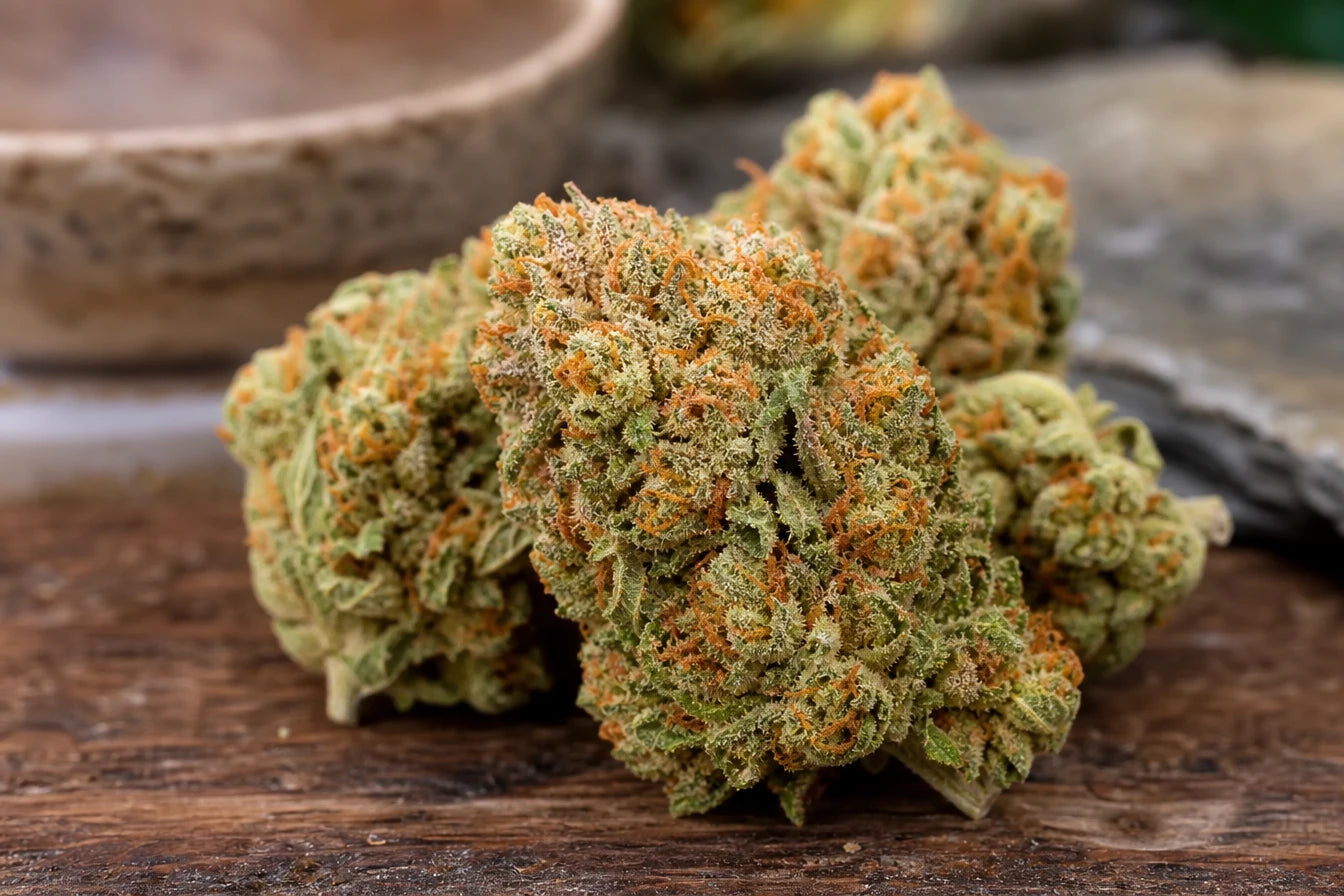
Orange bud stands out as one of the most classic strains in the world of cannabis, boasting a unique character that continues to influence both growers and enthusiasts. This renowned sativa/indica hybrid is widely celebrated for its unmistakable citrus/orange aroma and flavor, but its story extends far beyond its sensory appeal. Exploring orange bud’s place among legendary varieties means delving into its 1980s origin, distinctive genetics, and the lasting impact it has made on modern cannabis culture.
Tracing the development of orange bud reveals not only innovative breeding and development practices but also insights into why this iconic strain remains relevant and esteemed decades after its debut. Cannabis aficionados frequently return to orange bud, drawn by nostalgia, proven effects, and its unforgettable taste.
The roots: tracing the 1980s origin
The story of orange bud begins in the early 1980s, a pivotal era when breeders pushed the boundaries of cannabis genetics. During this time, creative minds experimented with various parent plants to develop hybrids that combined yield, potency, and unique flavors. This period also saw the emergence of pollen hashish and ancestral traditions, which you can explore further in the history of pollen hashish and its cultural roots. Emerging from this vibrant period, orange bud was bred to capture traits such as robust growth and complex terpene profiles.
Central to orange bud’s background is its strong skunk lineage. Skunk varieties dominated seed catalogs throughout this era due to their pungent aroma, high yields, and reliable vigor. The creators of orange bud were meticulous, selecting individuals with the most pronounced citrus scent and stable structure. By isolating these characteristics, they established a remarkable hybrid that quickly gained recognition in both underground and mainstream circles.
Breeding and development: how was orange bud created?
Bringing orange bud to life required more than random crossbreeding—it demanded precise knowledge and unwavering dedication to quality genetics. Breeders focused on skunk cultivars known for intense fragrance and vigorous flowering, enhancing the citrus/orange profile with every new generation. For those interested in premium hemp options, exploring CBD flower varieties can provide insight into the diversity of modern cultivars. Each plant selected contributed something essential, whether improved pest resistance, faster flowering times, or increased resin production.
This careful approach resulted in a balanced hybrid, a hallmark of successful breeding and development. Orange bud maintained stability during cultivation while reliably expressing valued features: hard-hitting high, striking orange pistils, and impressive yields. Today, this process serves as a reference point for those seeking consistency and distinction within their hybrids.
- Emphasis on selecting strong skunk phenotypes
- Reinforcement of citrus/orange aroma across generations
- Crosses focused on sativa/indica hybrid balance
Through relentless refinement, the enduring qualities of orange bud became intertwined with advances in the development of modern strains. Many view it as a benchmark for what patient, thoughtful breeding can achieve.
The influence of skunk lineage
Skunk lineage forms the backbone of orange bud’s characteristic vigor and potency. Skunk genetics gained prominence for delivering powerful effects alongside manageable growing requirements. In orange bud’s case, inheriting these genes meant capturing a wide range of desirable traits—from striking visual appearance to an appealing psychoactive profile.
By remaining true to the original skunk family, breeders preserved not only consistent performance but also a sense of identity. This commitment enabled orange bud to stand apart from the influx of competing hybrids, sustaining a loyal following among those seeking authenticity in their cannabis experience.
Signature traits: what defines orange bud?
Several remarkable features distinguish orange bud as an iconic strain. Foremost is its invigorating citrus/orange aroma and flavor, which sets the tone from the initial encounter. If you appreciate these citrus notes, you might also enjoy the Swiss Cheese CBD Flower, known for its vibrant aroma and dense, hand-trimmed buds. Breaking up the buds releases zesty notes mingled with subtle sweetness, evoking images of fresh oranges and sunlit groves.
Appearance plays a significant role as well. The name “orange bud” derives directly from the abundance of bright orange pistils covering its dense flowers, giving each bud a radiant and inviting look. Combined with plentiful trichomes, the visual impression reinforces its reputation as a classic strain worth revisiting.
- Zesty citrus/orange terpenes dominate the profile
- Highly visible orange pistils throughout the flower
- Vigorous, balanced growth typical of sativa/indica hybrids
From the perspective of growers, orange bud offers reliability and substantial yields, maintaining a strong presence in gardens and dispensaries even decades after its creation.
A legacy of effects: why do people cherish orange bud?
Beyond its physical traits, orange bud remains popular for its uniquely well-balanced effects. As a sativa/indica hybrid, it masterfully combines energizing uplift with relaxing undertones. Users often report feeling motivated and clear-headed without being overwhelmed by sedation.
For those managing stress or daily pressures, the anti-anxiety potential of orange bud adds further value. Smooth cerebral stimulation pairs with a gentle body sensation, allowing users to stay productive and socially engaged. While many appreciate its hard-hitting high, especially for recreational use, broad appeal results from its predictability and adaptable nature.
- Invigorating yet not over-stimulating
- Can reduce anxiety without leading to couchlock
- Hard-hitting high appeals to experienced consumers
Anecdotal reports consistently praise orange bud’s versatile mood effects, making it suitable for both daytime use and unwinding after an active day.
Cultural impact and the worldwide spread
Since its introduction in the 1980s, orange bud’s influence has extended well beyond its original breeding grounds, flourishing in regions across Europe, North America, and elsewhere. Growers quickly recognized the advantages offered by this classic strain: adaptability, ease of cultivation, and resilience against common plant issues.
In subsequent years, orange bud inspired a new generation of breeders experimenting with hybrid genetics. Its legacy lies not only in direct offspring but also in the inspiration provided to countless innovators striving to refine aromatic and effect-driven varieties. Because of these contributions, traces of orange bud genetics persist in numerous contemporary strains.
References in pop culture and media
Iconic strains like orange bud are referenced in music, film, and literature associated with cannabis culture. Artists employ its distinctive name and attributes to evoke authenticity, relaxation, or rebellion. Such associations deepen public perception, ensuring orange bud remains prominent even as market trends evolve.
Media coverage significantly shapes a variety’s status. Consistent features by magazines and digital outlets emphasize orange bud’s ongoing contributions to the evolution of cannabis genetics, reinforcing its historical prestige.
A favorite in competitions
Cannabis competitions throughout the late twentieth century frequently honored orange bud for excellence in aroma, flavor, and overall effect. Success in these arenas granted additional legitimacy to an already respected cultivar. Winning entries showcased the precise blend of qualities that distinguish orange bud.
As events expanded and judging criteria became more sophisticated, orange bud continued earning accolades. These prizes solidified its legendary status, ensuring that new generations would discover its story and seek seeds for their own cultivation.
Modern relevance and future perspectives
Decades since its debut, orange bud retains significant relevance in today’s fast-changing market. Demand for CBD-rich strains with nostalgic appeal drives renewed interest in established classics, encouraging breeders to revisit genetic archives and reintroduce trusted favorites.
Advancements in organic farming and controlled environment agriculture have made cultivating orange bud more accessible than ever. Enthusiasts benefit from comprehensive guides and innovative techniques, while CBD-focused selections allow health-conscious buyers to enjoy this storied strain.
- Available as photoperiod or autoflowering types
- Well-suited to both indoor and outdoor environments
- Balanced CBD content for wellness applications
Orange bud’s enduring popularity rests on its adaptability. Its combination of heritage, distinct sensory profile, and legendary status ensures it remains cherished by both growers and those who appreciate its unique effects.
Continuing the orange bud story
The future of orange bud will be shaped by dedicated enthusiasts determined to preserve its core attributes while exploring new possibilities through selective breeding. As consumer preferences shift, there is little doubt that orange bud’s genetics will continue inspiring creations designed to match its signature citrus/orange aroma, balanced impact, and timeless charm.
Anyone seeking to understand the broader arc of cannabis history and legacy need only follow the enduring popularity of orange bud. Forged during the creative surge of the 1980s origin, this variety continues to demonstrate what makes a strain genuinely iconic: a captivating past, paired with an ever-relevant present and promising future.


