

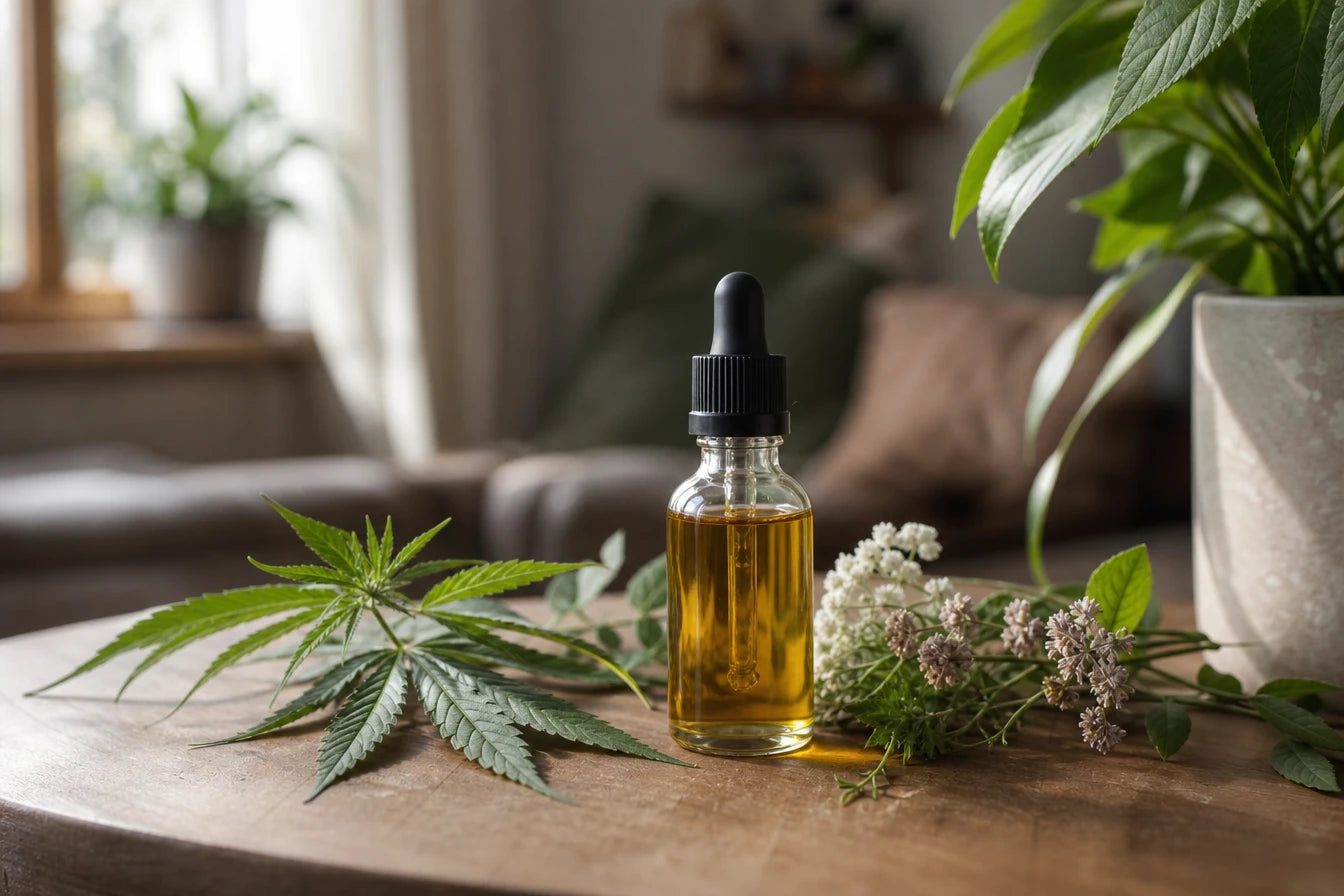
As allergy season approaches, many individuals find themselves dealing with stuffy noses, itchy eyes, and persistent sneezing. Hay fever, also known as allergic rhinitis, affects millions each year and often disrupts daily life. Recently, attention has shifted to cannabidiol (CBD), a compound from the hemp plant, as a possible addition to classic strategies for managing these bothersome symptoms. Where does CBD fit within the broader approach to hay fever management? Let’s take a closer look at the science, current perspectives, and what those navigating seasonal allergies may wish to consider.
What are seasonal allergies and hay fever?
Seasonal allergies, or hay fever, occur when the immune system reacts to airborne substances such as pollen, dust, or mold spores. This reaction results in inflammation of the nasal passages, producing familiar symptoms like congestion, sneezing, itchy throat, watery eyes, and sometimes even fatigue or headaches.
The severity of allergy symptoms varies depending on individual sensitivity and exposure levels. Some experience only mild discomfort during peak pollen seasons, while others face ongoing issues that interfere with sleep or daily activities. Understanding how these allergic reactions develop is essential before considering options like CBD or other natural remedies.
How does the immune system cause hay fever symptoms?
The process begins when allergens such as pollen enter the nose or eyes. The immune system mistakenly identifies these harmless particles as threats, releasing chemicals—most notably histamine—in an effort to protect the body. Histamine causes blood vessels to expand, leading to symptoms like runny nose, itching, and swelling.
This exaggerated response is central to hay fever. While traditional treatments aim to minimize these effects through antihistamines, decongestants, or corticosteroids, some seek out complementary or alternative therapy options in hopes of gentler symptom relief or fewer side effects.
Can cbd act as anti-inflammatory aid during allergy season?
Cannabidiol, commonly called CBD, is non-psychoactive and distinct from THC, the compound responsible for cannabis’s intoxicating effects. Interest in CBD centers around its potential to moderate inflammation and provide various health benefits without producing a “high.”
A growing conversation surrounds cbd as anti-inflammatory support. For those interested in exploring premium CBD flower options, research suggests that CBD interacts with the endocannabinoid system, a body network that helps regulate inflammation, pain perception, and immune function. This raises questions about whether CBD could contribute to effective allergy symptom alleviation.
Exploring the anti-inflammatory properties
Inflammation drives most allergy symptoms, especially congestion and swelling. Early laboratory studies indicate that CBD may influence immune cells, possibly resulting in reduced inflammatory responses. If inflammation is minimized, allergy symptoms might become less severe, making CBD promising as a natural remedy.
However, direct clinical evidence in humans remains limited. Most research so far has been conducted in test tubes or animals, showing potential but not providing clear answers for real-world hay fever management. Studies specifically focused on people with hay fever are still needed.
Potential effects on histamine release
Some animal and cellular studies have explored whether CBD might play a role in histamine inhibition, potentially slowing or reducing the chain of events after allergen contact. Lower histamine release could mean milder allergy symptoms.
While this possibility is intriguing, further research is required before drawing definitive conclusions about its effects in people facing seasonal allergies. For now, using CBD to regulate histamine should be considered theoretical rather than a proven strategy for hay fever management.
Symptom relief: anecdotal reports vs. scientific evidence
Many users have described subjective improvements after taking CBD during allergy season, mentioning everything from reduced eye irritation to less nasal blockage. These positive experiences often encourage others to try complementary or alternative therapy for similar concerns.
Despite widespread testimonials on social platforms and forums, scientists caution that placebo effects or unrelated factors could explain any perceived benefit. Well-designed human trials focused on allergy symptom alleviation are rare, making it challenging to draw reliable conclusions about effectiveness beyond isolated cases.
- Some notice improved congestion or itching after using CBD drops or capsules.
- Others do not experience noticeable change, or see only minor benefits compared to conventional treatment.
- No major health organizations currently recommend CBD as a primary tool for hay fever management.
Immune system modulation: fact or fiction?
Scientific interest continues due to CBD’s reported ability to affect immune system modulation. Modulating the immune system could involve either stimulating or suppressing certain responses, potentially encouraging a more balanced reaction to allergens.
Some laboratory findings suggest that CBD interacts with cannabinoid receptors and might dampen overactive immune activity. This quality, if confirmed, could benefit those whose allergic symptoms result from excessive immune triggers, strengthening the case for CBD as a subject of interest among natural remedy discussions.
Conventional treatment vs. cbd: differences and overlaps
Traditional methods for hay fever management include antihistamines, nasal sprays, immunotherapy, or avoidance strategies. These approaches target histamine, reduce swelling, or boost tolerance to allergens. Their efficacy is well established, though they sometimes come with drawbacks like drowsiness, high cost, or long-term reliance.
When comparing conventional treatment vs. cbd, key differences emerge. Conventional medications offer standardized dosing and predictable effects. In contrast, CBD remains relatively new, with optimal dosage, delivery method, and duration still under investigation. Some experiment with oils, edibles, or topical forms, all producing variable results for hay fever management.
CBD as a complementary or alternative therapy?
Due to incomplete evidence supporting its use for allergies, most experts classify CBD as a complementary or alternative therapy. When used alongside existing treatment—and under medical supervision—CBD might provide extra comfort for some, but it should never replace well-established medications.
Current advice encourages those interested in trying CBD for allergies to continue their standard pharmaceuticals and consult healthcare professionals before introducing anything new. Especially for individuals already taking prescription medications, professional guidance is vital to avoid potential interactions.
Risks, safety, and 'not a cure' perspective
CBD generally demonstrates a favorable safety profile in most research settings, yet it is not free from side effects. Occasional users report mild digestive upset, dry mouth, or changes in appetite. Serious adverse reactions are rare.
It is important to recognize that despite encouraging preliminary data, CBD is not a cure for hay fever or allergies. Effective management of severe or life-threatening allergic reactions depends on evidence-based medical care and prompt emergency intervention when needed.
Key considerations when exploring cbd for hay fever management
For those exploring the use of CBD as part of their seasonal allergy plan, several practical steps can help maximize benefits and maintain safety. Careful selection and mindful use increase the likelihood of achieving symptom relief while minimizing risks.
Choosing reputable products is crucial, as quality varies widely. Selecting items with clear labeling and third-party verification supports consistency and reliability. Consulting healthcare providers allows for tailored regimens and effective monitoring, particularly for anyone managing chronic conditions along with allergies.
- Begin with low doses and adjust gradually according to tolerated effects and medical advice.
- Monitor closely for any changes in allergy symptoms and communicate observations with healthcare practitioners.
- Continue employing avoidance, prescribed medication, and healthy habits for comprehensive hay fever management.
- Ensure compliance with local laws regarding CBD product use.
- Never substitute CBD for emergency therapies, especially in cases of severe allergic reactions requiring immediate care.
Looking ahead: cbd’s future role in allergy care?
The relationship between CBD and hay fever management continues to spark curiosity among researchers and the public alike. As new studies unfold, there is potential to refine understanding and discover additional tools for those affected by seasonal allergies.
Anyone interested in CBD's possible contribution to allergy symptom alleviation should prioritize trustworthy information sources and seek guidance from qualified health professionals when adding new elements to their routine. With informed choices, personalized care, and open dialogue, getting through allergy season may become more manageable and comfortable.


