

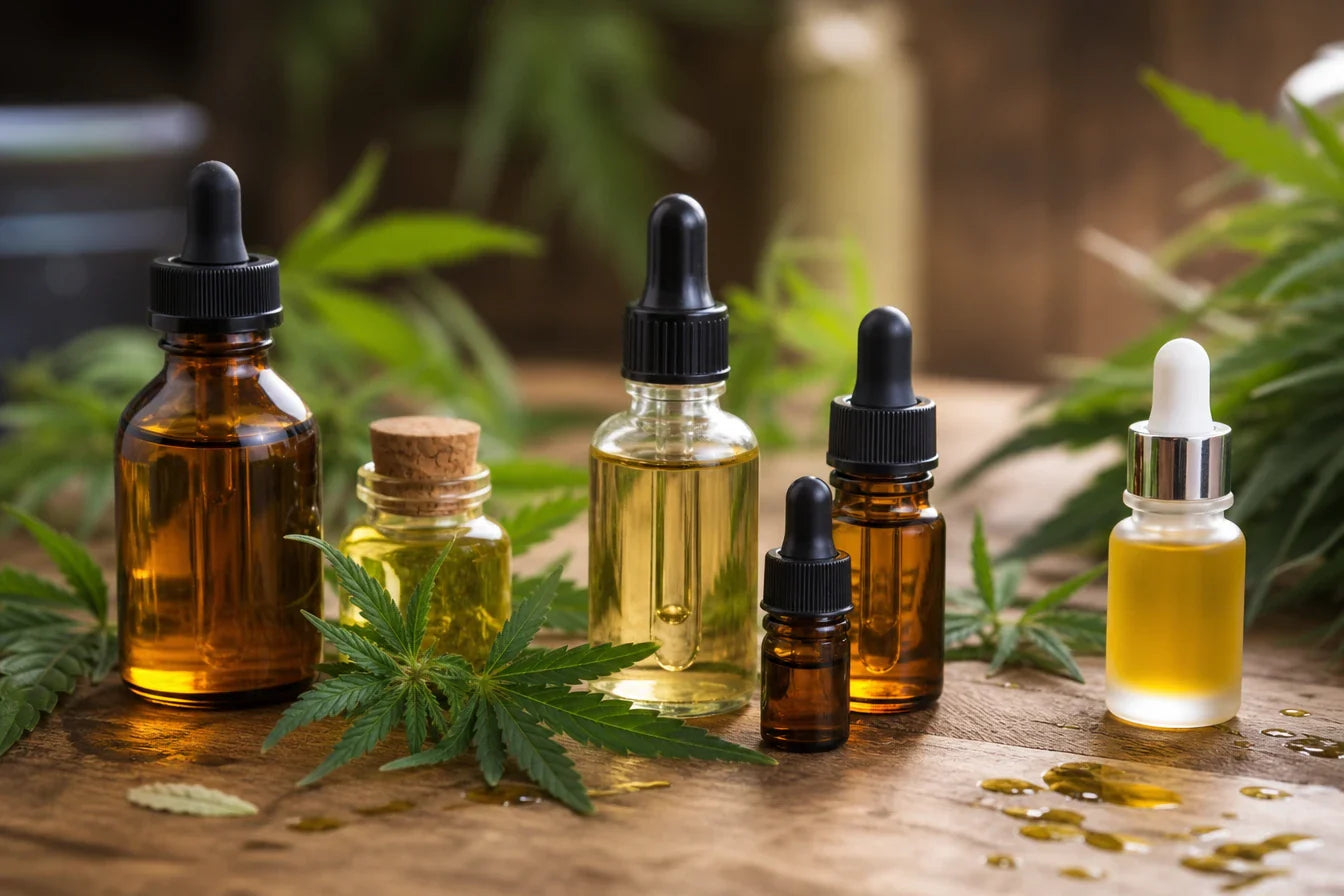
Among those exploring natural wellness options, cbd oil has quickly become a go-to solution. However, all the percentages—5%, 10%, 20%, or even higher—can be perplexing at first glance. Each cbd oil percentage brings distinct possibilities and effects. Navigating these options involves considering factors like individual tolerance, body weight, metabolism, and most importantly, the intended usage purpose.
This article aims to clarify the confusion around cbd oil percentages, provide insight into what cbd oil strength actually means, and outline practical steps for calculating the right concentration. With these insights, it becomes easier to select a product tailored to personal objectives—whether seeking relaxation, everyday balance, or stronger support for more severe needs.
What do cbd oil percentages really mean?
Cbd oil is often labeled with a specific percentage such as 5%, 10%, 20%, 30%, or 40%. These figures reflect the amount of cannabidiol relative to the total oil volume. For those seeking high-quality options, exploring premium CBD oil tinctures can help clarify differences in serving size and potency.
Grasping this concept simplifies product comparisons, especially when bottle sizes, manufacturer details, or labeling styles differ. Delving deeper provides a clearer understanding of what those numbers represent.
How are cbd oil percentages calculated?
To determine cbd oil percentage, manufacturers divide the milligrams of cbd by the total milliliters of oil and multiply by 100. For instance, a 10ml bottle with 1000mg of cbd equals a 10% cbd oil. The common formula used is:
- (Milligrams of cbd ÷ Milliliters of oil) × 100 = cbd oil percentage
Thanks to this calculation, it is easy to identify whether a product falls into low, medium, or high cbd oil strength categories. While this method remains standard across brands, minor manufacturer variations may exist, so always double-check the label for accuracy before choosing.
The relationship between milligrams and percentages
Two bottles can look quite different but deliver similar cbd oil strength. For example, a 20% cbd oil in a 10ml bottle offers 2000mg of cbd, while a 5% solution in a 30ml bottle provides 1500mg, but the latter is spread over more oil. Recognizing this relationship allows accurate judgment of potency rather than relying solely on bottle size or cost.
Understanding both the mg content and the percentage is key to proper dosing, helping avoid under- or overdosing and ensuring optimal results for each individual usage purpose.
Why cbd oil strength matters
Choosing among cbd oil percentages like 5%, 10%, 20%, or higher is not just about preference. The selected cbd oil strength directly affects effectiveness and personal safety. It determines how much cannabidiol is absorbed per drop and how quickly noticeable effects arise.
Different circumstances require different strengths, and picking the right one maximizes benefits while minimizing waste or unwanted side effects.
Low, medium, and high cbd oil strength ranges explained
Most products fall into three primary categories:
- Low strength: 5% cbd oil, recommended for beginners or individuals with heightened sensitivity
- Medium strength: 10% to 20% cbd oil, ideal for people looking for daily balance
- High strength: 30% and above, best suited for those with significant needs or established tolerance
As cbd oil strength increases, each drop delivers a higher concentration of active compound, allowing fewer drops to achieve the desired effect compared to lower-percentage oils.
When deciding which percentage to choose, starting with a lower concentration is typically advised for newcomers. Gradual increases are simple, whereas reducing an excessive dose after starting too strong can be more challenging.
Factors influencing the ideal cbd oil concentration
Several important factors play a role in determining the most suitable cbd oil concentration:
- Individual tolerance: Some feel positive effects from small doses, while others need larger amounts due to their unique biology.
- Body weight and metabolism: Higher body mass or faster metabolism may demand a stronger cbd oil percentage for noticeable results.
- Usage purpose: Individuals using cbd for mild relaxation might find 5% or 10% sufficient, but addressing more persistent discomfort or sleep difficulties could justify selecting 20% or 30% cbd oil.
These variables highlight why choosing a cbd oil percentage should always be a personalized process focused on individual needs.
Comparing popular cbd oil percentages
Most choices on the market come in increments like 5% or 10%, though specialized requirements may call for 20% up to 40% oils. Comparing these main types reveals significant differences in application, dosage convenience, and overall value.
Real-world examples help illustrate how various cbd oil strengths serve unique functions depending on user goals.
Advantages and drawbacks of low concentration cbd oils
Oils containing 5% cbd offer a gentle entry point for those new to cannabidiol, reducing the likelihood of pronounced reactions. Low-percentage oils allow precise adjustments, supporting a cautious “start low and go slow” approach.
On the other hand, users who consistently seek more robust relief may end up taking larger volumes of low-strength oil, leading to less efficiency and quicker depletion of supplies.
Who benefits from mid-range cbd concentrations?
A 10% or 15% cbd oil fits well for regular supplementation and moderate relief, offering a solid compromise between cost and efficacy. This middle ground combines flexibility with noticeable potency for most users.
Many transition to this range after gaining comfort with lower strengths, enjoying its ability to address daily stressors or occasional sleep issues without excessive consumption.
When to consider high-strength cbd oils?
Formulations featuring 20%, 30%, or 40% cbd oil are designed for experienced users familiar with their needs or for those managing ongoing challenges that necessitate potent, consistent support.
Such high-strength oils deliver significant cannabidiol in every drop, making them highly efficient for those with elevated individual tolerance or demanding wellness goals.
Adjusting cbd oil dosage based on individual needs
Selecting the correct cbd oil concentration is only the beginning. Dosage should then be adjusted according to evolving routines, changing symptoms, or gradual adaptation to different cbd oil strength levels.
There are practical strategies for precisely calculating and modifying dosages, ensuring a customized experience for every individual.
Using body weight and metabolism as guidance
Initial dosage recommendations often relate to body weight. A common guideline suggests starting with 1–6mg of cbd per 10 pounds (4.5 kg) of body mass. Observing outcomes over several days allows for thoughtful adjustment.
Metabolism also plays a part, as those with slower rates may absorb cannabidiol differently than fast metabolizers. Metabolic rate affects not only onset speed but also the duration of effects, guiding dosing intervals throughout the day.
Titrating dosage based on response and usage purpose
Once a starting point is determined, closely monitor physical and emotional responses. Those turning to cbd oil for relaxation may be satisfied with lower strengths, while individuals facing persistent concerns could gradually increase their intake.
The goal is to find the minimal effective dose, increasing concentration only if current effects fall short of expectations. Titration empowers users to manage intake with precision, avoiding unnecessary overuse and added expense.
Manufacturer variations and ensuring accurate cbd oil selection
Not all cbd oil products follow the same labeling standards. Some manufacturers use alternative definitions of concentration, add carrier oils, or blend botanical ingredients—all of which impact purity and strength.
Reviewing supplier transparency and third-party lab test results ensures authenticity, while certificates confirm that claimed cbd oil percentages are accurate, not exaggerated.
Reading lab reports and verifying product claims
Independent batch testing safeguards consumers against misleading data or inferior quality. Trusted producers share certificates of analysis detailing actual cbd oil strength, additional cannabinoid content, and impurity screenings.
Before use, check these reports to verify that the product matches its claimed percentage and contains the specified milligrams of cbd.
How to account for blending and ingredient variations
Some oils incorporate extra terpenes or plant extracts for added flavor or supplementary benefits. While appealing to certain users, this can alter the formula, occasionally decreasing pure cbd content per drop despite front-label claims.
Careful review of the full ingredient list on packaging helps set realistic expectations and supports the selection of the most appropriate cbd oil percentage for targeted purposes.
Final thoughts on choosing the right cbd oil percentage
Navigating cbd oil concentrations comes down to aligning product strength with personal needs and wellness goals. Factors such as body weight, metabolism, desired outcome—whether relaxation, balance, or more intensive care—and previous experience all influence the decision.
By considering percentage, milligram count, dosage method, and manufacturer reliability, it is possible to confidently select a cbd oil concentration that delivers reliable support and satisfaction over time.


