

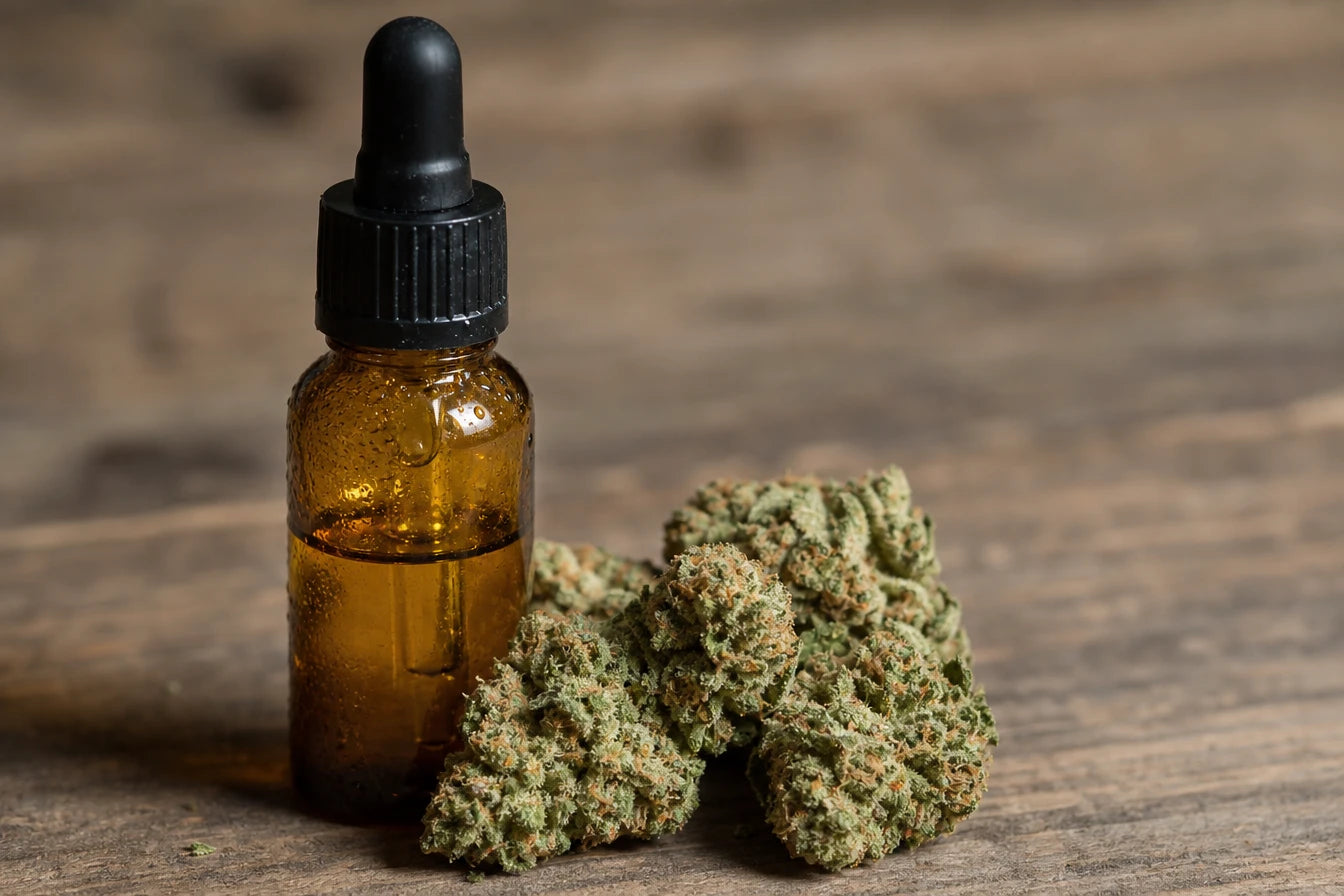
Navigating the choice between CBD oil and CBD flowers can feel overwhelming, given the sheer variety of products available. Each option brings its unique advantages, catering to different preferences, lifestyles, and wellness goals. By exploring their differences in effects, potency, consumption methods, and legal status, it becomes easier to make an informed decision. This guide examines the main cbd oil vs cbd flower differences, offering clear insights to help identify which format aligns best with specific needs.
Understanding cbd oil and cbd flowers
Cannabidiol (CBD) appears in several popular formats, but oils and flowers stand out for their accessibility and versatility. For those interested in a deeper comparison, exploring the differences and effects between CBD flowers and CBD hash can provide further insight. While both originate from the same cannabis plants, their processing leads to distinct characteristics and user experiences.
CBD oil is a carefully refined extract suspended in a carrier oil like coconut or hemp seed oil. In contrast, CBD flowers are simply dried buds directly harvested from hemp plants, preserved in their natural state for immediate use. For the latest updates and news on these products, you can visit the CBD news section of BudBros.
Extraction process and production
The extraction process sets these products apart. Oils undergo advanced techniques such as CO2 extraction or ethanol washing, allowing precise control over the concentration of cannabidiol and purity. These processes result in broad spectrum or full spectrum oils tailored for targeted benefits and minimal impurities.
By contrast, CBD flowers involve minimal intervention. Harvested buds are trimmed, cured, and packaged without further refinement, maintaining their original chemical composition. This preserves valuable terpenes and flavonoids, enhancing aroma and taste while keeping the product close to nature.
Chemical composition and spectrum types
CBD oil provides flexibility in cannabinoid profiles. Full spectrum oils retain most naturally occurring compounds, including trace amounts of THC, while broad spectrum variants exclude THC altogether. Isolate oils focus exclusively on cannabidiol, minimizing any entourage effect from other plant components.
Dried CBD flowers deliver the entire suite of cannabinoids found in the original plant. Because they are not processed beyond drying, they always represent full spectrum products, reflecting the same ratios of compounds present in the living hemp.
Effects and potency: how do they compare?
When considering effects and potency, the difference often comes down to concentration of cannabidiol and method of consumption. The optimal choice depends on whether rapid onset, sustained relief, or dosage precision is most important.
The speed at which effects appear varies significantly. Inhalation of CBD flowers leads to quick results, while ingested oils act more slowly yet last longer. Understanding these distinctions helps tailor the experience to individual wellness objectives.
CBD oil: consistency and versatility
Oils offer exact dosing, typically ranging from 5% to 30% or higher concentrations. A few drops under the tongue, mixed into food, or applied topically provide substantial flexibility for various routines. Effects usually emerge within 30 minutes to an hour, lasting several hours—ideal for those seeking gradual, steady support or long-term supplementation.
This approach also avoids combustion, making it suitable for individuals sensitive to smoke or vapor. Thanks to standardized production, consumers benefit from predictable and repeatable outcomes regarding effects and potency.
CBD flowers: traditional consumption and rapid impact
Cannabis flowers have historically played a central role in herbal remedies. Smoking or vaporizing these buds delivers nearly instant sensations, effective for sudden stress or mental clarity. Potency is largely determined by strain, generally reflecting the natural balance of cannabinoids in each batch.
With inhalation, active compounds pass directly into the bloodstream. However, achieving precise dosage can be challenging compared to oils, leading to minor variations in effect. Many enthusiasts value the rich taste and aroma of whole flowers, appreciating their connection to traditional vs modern use.
Methods of consumption: pros and cons
Selecting between cbd oil and cbd flowers involves weighing lifestyle habits, health considerations, and convenience. Both offer a range of methods of consumption, though certain options may better suit daily routines.
- Sublingual (under-tongue) drops: Primarily for oils, enabling a smoke-free experience and steady onset of effects.
- Inhalation (smoking/vaping): Standard for flowers, offering fast relief and robust flavor.
- Infused foods or beverages: Oils easily blend with recipes, discreetly delivering cannabidiol through meals.
- Topical application: Exclusive to oils, useful for targeting localized areas of discomfort.
For those accustomed to inhaling herbal products, CBD flowers may provide familiarity. Conversely, individuals prioritizing discretion or dosage accuracy often prefer oils for their ease and subtlety.
Legal status: what does the law say?
The legal status of CBD products varies widely depending on jurisdiction and product type. Awareness of relevant regulations can prevent complications when purchasing or transporting these items.
CBD oil—especially broad spectrum or isolate varieties—generally complies with legal standards if THC content remains below regulated thresholds (commonly 0.2% or 0.3%). Such products often include certificates of analysis confirming compliance and purity.
CBD flowers: regulatory grey area
The legal framework for cbd flowers is often less clear-cut. Although sourced from legal hemp, raw flowers sometimes face restrictions due to their resemblance to high-THC cannabis. This similarity complicates enforcement, resulting in limitations even where hemp is otherwise lawful.
Where permitted, verifying accurate labeling and documentation is essential. Otherwise, choosing CBD oil can minimize the risk of legal challenges during travel or shipment.
CBD oil: clarity and peace of mind
Thanks to transparent labeling, well-defined concentration of cannabidiol, and thorough testing, CBD oils usually encounter fewer legal ambiguities. Authorities tend to regulate these based on clear disclosures rather than physical appearance.
This assurance allows consumers to trust in both product safety and compliance, particularly in regions with evolving cannabis legislation.
Cost and price comparison
Many consider ongoing cost versus value when deciding between CBD oil and flowers. Prices vary according to quality, strength, manufacturing scale, and retail channel, impacting overall expenditure.
Typically, pure CBD flowers offer a lower initial cost per gram. However, ensuring consistent dosage may require using more product, potentially increasing total expenses over time.
- CBD oil: Tends to cost more per bottle due to advanced extraction process and precise formulation, but provides meticulous dose control and longer shelf life.
- CBD flowers: Initially less expensive, yet varying potency and limited stability may prompt higher usage and frequent replacement.
The right choice depends on usage frequency, desired dosage accuracy, and willingness to invest in convenience or technological advancement.
Traditional vs modern use: perspectives and preferences
Hemp flowers have been used for centuries, valued by herbalists for their complete profile of beneficial compounds and distinctive aroma. Whole-plant preparations were prized for their authenticity and sensory richness.
Modern trends show growing interest in precise, smoke-free applications, fueling the rise of CBD oils. Innovations in the extraction process enable unique blends and specialized formulas, expanding possibilities beyond what flowers alone can provide.
Users drawn to tradition and ritual
CBD flowers attract those who appreciate the ritualistic aspects of rolling, brewing, or vaporizing plant material. This path appeals to individuals drawn to natural wellness practices or artisanal craftsmanship, valuing authenticity and ceremony.
Sharing flowers fosters a sense of community and reflects longstanding traditions in herbal medicine. The tactile experience and aromatic qualities offer an immersive dimension difficult to replicate with oil-based products.
Embracing modern convenience
For others, CBD oil represents efficiency and adaptability. Compact, odorless, and easy to transport, it fits seamlessly into busy routines or travel. Precision tools like dropper applicators simplify measurement, supporting users who need accuracy and reliability.
Oils also cater to those seeking discretion or wishing to avoid inhalation. Availability of broad spectrum, full spectrum, and isolate variants broadens customization options for diverse lifestyles and requirements.
Making an informed choice: personal factors to consider
There is no universal answer when it comes to choosing between CBD oil and CBD flowers. Personal priorities—whether medical, recreational, or holistic—shape the best fit.
Those who value rapid onset, multisensory experiences, or traditional rituals might find flowers preferable, connecting with age-old remedies. Meanwhile, anyone requiring precise dosing, reliable effects and potency, legal clarity, or subtle integration into everyday life will likely favor oils.
While both share core benefits, they diverge enough to meet a wide array of expectations. Delving into cbd oil vs cbd flower differences ensures access to safe, effective, and satisfying choices throughout every stage of the cannabidiol journey.


