

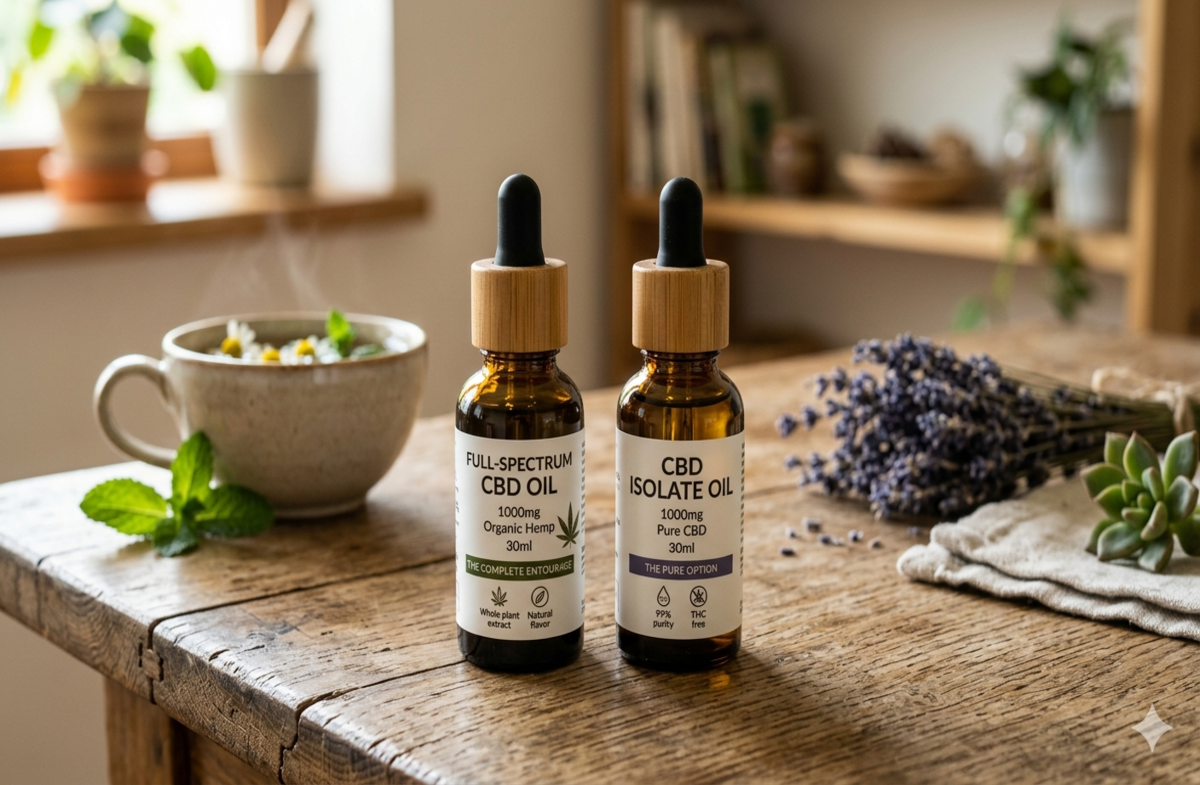
Exploring the world of CBD reveals a vast landscape of products and terminology, ranging from full-spectrum CBD to CBD isolate. Selecting the optimal type often raises questions about benefits, purity, and which option will best support specific wellness goals. Whether the aim is relaxation, recovery, or daily balance, understanding the differences between these forms provides valuable guidance for making informed decisions.
This guide offers a clear comparison of full-spectrum CBD and CBD isolate, explains how cannabinoids interact, and highlights key elements that influence both effectiveness and personal preference. Going beyond product labels, it focuses on matching each CBD type to unique aspirations in well-being.
What sets full-spectrum CBD apart?
One common question among newcomers concerns the popularity of full-spectrum CBD in conversations about hemp supplements. For a deeper understanding of what distinguishes full-spectrum from other types, you can learn more about the difference between full-spectrum and broad-spectrum CBD. This form contains the most comprehensive array of plant compounds found in hemp, delivering more than just cannabidiol (CBD) alone. The main advantage lies in the synergy between various naturally occurring components within the plant.
The richness of the compound profile leads many to believe that full-spectrum CBD delivers enhanced effects, commonly known as the entourage effect. This phenomenon remains a central focus of ongoing research and is frequently cited by users who report broader or stronger results when using less-refined extracts.
Key cannabinoids found in full-spectrum products
A full-spectrum formulation features not only CBD but also minor cannabinoids such as CBG, CBC, and CBN, along with a trace amount of THC. If you are interested in how these compounds compare in different products, exploring the differences between CBD flowers and CBD hash can offer further insight. The presence of these diverse compounds enables a broader range of interactions within the endocannabinoid system, supporting multiple aspects of overall well-being.
While scientific discussions continue regarding the individual roles of each cannabinoid, the collective mix tends to provide a distinctive experience compared to isolated formulations. For many, this translates into improved mood, better rest, or subtle balancing effects felt throughout everyday life.
Understanding THC content and legality
The inclusion of THC in full-spectrum CBD can be a concern for those attentive to regulations or sensitive to psychoactive substances. Legally produced products typically maintain THC content below 0.3%, complying with federal standards in numerous countries. While this amount does not cause intoxication, it may still be detectable in drug screenings.
Choosing full-spectrum CBD involves weighing legal and lifestyle considerations. Some individuals may prefer alternatives if employment or health guidelines require total avoidance of THC, while others consider even minimal traces essential to achieving the complete benefit profile of the plant.
How does CBD isolate measure up?
For those seeking pure CBD without secondary compounds, CBD isolate represents the highest level of refinement. Manufacturers remove everything except cannabidiol, producing a white powder or crystal ideal for anyone focused on strict purity or needing to avoid even small amounts of other cannabinoids.
Containing only one active ingredient allows for precise dosing and reliable experiences. Athletes, professionals subject to regular testing, and those especially sensitive to cannabis derivatives may opt for CBD isolate due to its consistency and absence of THC.
Benefits associated with CBD isolate
Some value CBD isolate for the clarity and control it brings to supplementation routines. Research into pure CBD suggests potential in supporting relaxation, focus, and discomfort management, all without additional variables from other cannabinoids or terpenes.
The flexibility of isolates means they blend easily with foods, beverages, or topical bases, expanding options for custom product creation or integrating precise amounts into wellness plans. Without the natural flavor or aroma of hemp extracts, isolates remain virtually tasteless and odorless.
Drawbacks to consider with isolates
Despite the elegance of its simplicity, some studies indicate that removing all complementary cannabinoids might reduce overall efficacy for certain wellness goals. Those interested in the entourage effect may feel that isolates limit the holistic interaction of plant compounds.
Additionally, some users notice subtler or less sustained results compared to broader extracts. On a practical level, isolates can become costlier per milligram because of extensive purification required during production.
Where does broad-spectrum CBD fit in?
Anyone seeking multi-cannabinoid support without any risk of THC exposure may find broad-spectrum CBD an appealing alternative. This middle-ground formula preserves most beneficial plant components while excluding THC entirely.
Broad-spectrum CBD aims to offer some advantages of whole-plant synergy, minus the concerns surrounding THC content. Individuals looking for nuanced effects often choose this category as a compromise between purity and complexity.
Comparing effects: entourage effect versus pure CBD
Discussions around CBD effectiveness often reference the entourage effect—the concept that a combination of cannabinoids working together may deliver deeper or more varied benefits than any single compound alone. This idea helps explain why experts compare full-spectrum and isolate forms so frequently.
On the other hand, pure CBD allows for precise control and eliminates outside factors that could influence an individual's response. Isolates tend to provide consistent outcomes with no risk of side effects from additional cannabinoids or plant-derived compounds.
When might the entourage effect matter?
Those managing complex or persistent symptoms may favor full-spectrum CBD to maximize possible benefits from comprehensive plant chemistry. Anecdotal feedback often links greater comfort and resilience to this synergistic approach, particularly among experienced users or individuals dissatisfied with single-ingredient solutions.
Anyone open to experimenting or seeking a broader spectrum of possible outcomes may find satisfaction in formulas incorporating as many cannabinoids as legally allowed.
Advantages of pure CBD approaches
Supplements made exclusively with CBD isolate enable direct observation of results, making them attractive for carefully managed regimens. By eliminating additional compounds, individuals can track progress linked solely to cannabidiol, simplifying both short-term experimentation and long-term use.
This method proves especially advantageous where external requirements—such as workplace testing or medical advice—demand absolute absence of THC and undetectable exposures through regular consumption.
Addressing typical questions before choosing
Navigating the details of cannabinoid supplements goes beyond simply reading labels. Many shoppers share common concerns, such as safety, legality, and alignment with health priorities.
Three primary topics often arise when comparing choices: purity, interactions, and legal risks. Both new and experienced CBD users benefit from reviewing answers to these points before selecting their preferred extract.
- Is there a chance full-spectrum CBD triggers a failed drug test? Trace THC may appear in screenings, making isolate or broad-spectrum safer bets for those under strict policies.
- Does isolate deliver the same level of effectiveness? Results depend on the goal; for deep relaxation or layered wellness support, a richer cannabinoid blend might outperform singular compounds.
- Will taste or aroma vary? Full-spectrum oils often carry earthy flavors owing to natural terpenes, whereas isolates are nearly tasteless and odorless.
- How important is product potency? Full-spectrum extracts might require smaller doses thanks to component interplay, while isolates grant unmatched precision in titration.
Practical tips for matching CBD products to wellness goals
Choosing the right CBD form starts with self-assessment, considering what outcome matters most. Factors like desired effects, sensitivity, budget, and openness to experimentation play significant roles in effective selection.
No universal solution exists. Instead, careful planning and readiness to adjust over time bring product choice closer to the intended result.
Identifying top priorities for supplementation
If maximum versatility and holistic benefits are the main objectives, full-spectrum CBD stands out. Its rich composition suits those exploring improvements beyond basic symptom relief. Individuals aiming to enhance mood or manage stress often lean toward these broad-ranging profiles.
Concerns about trace THC or preferences for clean labeling lead others to begin with either broad-spectrum CBD or CBD isolate. These options suit dietary purists, athletes, and cautious newcomers equally well.
Rethinking product formats and labels
Different circumstances call for oil drops, gummies, capsules, or topical infusions. Each format interacts uniquely with the body, making delivery method another essential factor in developing a personalized plan. Ingredient transparency, clear information on THC content, and verified lab testing build confidence in every purchase.
Gradual adjustments in serving size, brand, or integration with other wellness habits help clarify the ideal approach for lasting progress.


