

The cannabis world often revolves around two main types: sativa and indica. Each has developed a distinct reputation, commonly chosen based on their unique effects and characteristics. Yet, the real story is much richer, rooted in factors such as plant morphology, cannabinoid content (including THC and CBD), aroma profiles, and everyday applications. For those exploring the nuances of these plants, understanding what truly sets them apart can make all the difference when selecting a strain.
How do sativa and indica differ in plant morphology?
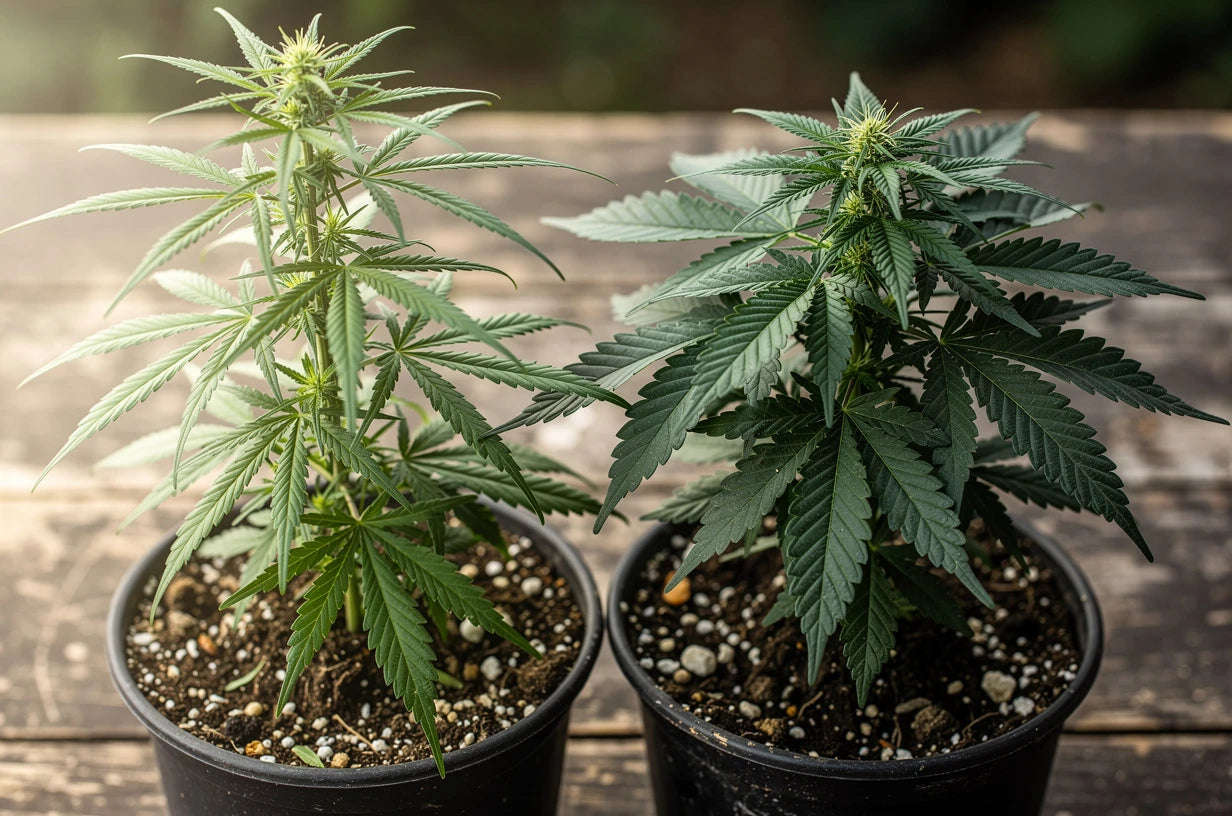
Examining the physical appearance of these varieties brings important distinctions to light. For a detailed exploration of how these differences manifest, you can learn more about Cannabis sativa and indica plant morphology. Sativa plants typically grow tall, sometimes exceeding two meters, with long, slender leaves that fan out gracefully. In contrast, indica strains remain shorter and bushier, making them more suitable for discreet indoor cultivation. Their broad, chunky leaves set them apart from their sativa counterparts.
During cultivation, these morphological traits influence not only visual identification but also space requirements and environmental preferences. Sativas usually thrive in warm, sunny climates, flourishing best in equatorial regions. Indicas, adapted to mountainous areas, tolerate cooler temperatures and can prosper where nights become chilly.
What about flowering time and growing preferences?
Anyone considering cannabis cultivation must account for the very different flowering times associated with each type. Sativa strains generally take longer to flower—sometimes up to 16 weeks—rewarding patience with complex aromas and distinctive cannabinoid profiles. In comparison, indicas often finish flowering within just 8 to 10 weeks, making them especially attractive for those desiring faster harvests.
These variations impact both gardening management and availability in the marketplace. The speedy turnaround of indicas makes them favorites among commercial producers and home growers alike. For those willing to wait, the extended growth period of sativas offers a broader spectrum of flavors and effects.
- Sativa: tall height, thin leaves, prefers warm climate, long flowering time (10-16 weeks).
- Indica: short, sturdy structure, broad leaves, tolerates cool climates, short flowering time (8-10 weeks).
How do thc and cbd content differentiate sativa and indica?
A widespread belief suggests that sativas contain higher THC content, while indicas offer more CBD. Although modern breeding blurs this distinction, certain tendencies persist. Typically, sativa strains lean toward producing more THC, which amplifies their uplifting, mind-oriented effects. Many indica strains present balanced cannabinoid profiles or slightly higher CBD concentrations, contributing to their sedative properties and body-centered sensations.
This is significant for those seeking specific benefits. High-THC sativas may attract individuals looking for creativity or energy, while indicas rich in CBD provide options for pain relief and relaxation without excessive psychoactivity. For a deeper understanding of how CBD, THC, CBG, and CBN differ in cannabis, see this overview of cannabinoid differences. Detailed lab results now allow for more precise matching of strains to personal needs, since hybridization has led to nearly every conceivable cannabinoid combination.
Exploring effects: mind high vs body high
The most common curiosity regarding “sativa vs indica” centers on the distinct experiences they deliver. Sativas are renowned for creating a mind high, marked by mental clarity, alertness, and motivation. Such qualities make sativa strains ideal companions during the day or for creative endeavors, particularly at social gatherings or during artistic projects.
Conversely, indicas induce a body high that gently eases tension and encourages deep relaxation. This calming, sometimes couch-locking feeling suits restful evenings, sleep support, or winding down after physical activity. Medical users frequently turn to indica’s sedative properties for managing insomnia, muscle discomfort, or anxiety.
Energy and mood: When does sativa shine?
Sativa’s reputation as an uplifting and energetic option is well deserved. By boosting mood without causing drowsiness, these strains can help enhance productivity and sharpen focus. Those facing fatigue or periods of low spirits often select sativa-dominant strains for that signature burst of inspiration. In creative work or brainstorming sessions, the cerebral uplift acts as a catalyst rather than a distraction.
Some sativas also provide notable appetite stimulation, supporting individuals undergoing medical treatments that suppress hunger. While individual responses vary, their tendency towards minimal sedation ensures suitability from morning through afternoon.
Relaxation and comfort: How does indica excel?
For tranquil relaxation, many enthusiasts prefer indica strains. The range of effects includes profound muscle relaxation, soothing of discomfort, and a lasting sense of calm. These features assist with nighttime routines, easing racing thoughts, or simply enabling peaceful leisure. Indica is commonly regarded as a reliable route to restful sleep and recovery, underscoring its appeal for medicinal use.
Pain relief is frequently reported by those using indica, thanks to its substantial CBD presence and the synergy of terpenes that amplify its calming properties. Robust appetite stimulation further enhances indica's role in convalescence or chronic illness care.
How do aroma and flavor profiles vary between sativa and indica?
Aroma plays a central role in the overall cannabis experience. Sativas often deliver sweet, fruity, citrus, or floral notes reminiscent of tropical forests or lush orchards. These fragrances arise from diverse terpene blends, contributing to the uplifting nature of many sativa strains.
On the other hand, indicas are known for earthy, skunky, or spicy aromas—think musk, pine, or ground spices. These robust scents linger, adding richness to each inhalation. Some darker-flavored indicas even surprise with subtle hints of chocolate or coffee, bringing complexity to the sensory journey.
- Sativa: Sweet, fruity, botanical, or citrus fragrances.
- Indica: Skunky, earthy, spicy, woody, sometimes musky undertones.
Medicinal uses: Is one type better for health applications?
Medical cannabis patients often compare sativa and indica choices according to specific concerns. The relaxing, sedative, and pain-relief qualities of indica strains make them suitable for addressing chronic pain, muscle spasms, and insomnia. Some research highlights indica’s potential for stress reduction and inflammation management as well.
Sativas regularly feature in discussions about mood enhancement and improved focus. Their stimulating influence may benefit those dealing with depression or persistent fatigue—especially where daily demands require clear thinking and mild euphoria over heavy sedation. With a wide array of hybrid varieties available, it is now possible to tailor results, blending both mind and body relief as desired.
CBD and therapeutic applications
CBD continues to play a prominent role in wellness conversations due to its non-intoxicating effects and extensive range of potential benefits. Indica genotypes typically yield higher CBD content compared to pure sativas, enhancing their reputation for providing pain relief without pronounced psychoactive effects.
Ongoing studies into CBD highlight its anti-inflammatory, anti-anxiety, and neuroprotective properties. For those sensitive to THC or seeking to avoid strong psychoactive effects, opting for high-CBD indica strains can be a pathway to comfort and peace of mind.
THC content and psychoactive impact
THC content significantly shapes the cannabis experience. Sativas with high THC levels often produce marked cognitive changes, heightened sensory awareness, and rapid thoughts. Indicas, by balancing THC with CBD, tend to stabilize mood swings and may ease psychiatric symptoms like agitation or paranoia.
Choosing between sativa and indica for medicinal purposes comes down to the intended effect—whether immediate physical comfort or an elevated mindset is preferred. Consulting professionals or reviewing laboratory data before selection ensures appropriate dosing and effective strain matching, particularly for newcomers.
Modern hybrids: Why do lines between sativa and indica blur?
Hybridization has produced tremendous genetic diversity, yielding countless strains that combine traits from both parents. Most contemporary cultivars no longer adhere strictly to traditional categories, instead expressing a mix of sativa and indica characteristics. This enables breeders to develop plants targeting specific needs, whether that means merging uplifting effects with gentle relaxation or reducing flowering time while preserving a favorite aroma.
Today, terms like "sativa-dominant" or "indica-leaning" paint a more nuanced picture. Details such as plant morphology, effect profile, and cannabinoid makeup have become crucial for accurate guidance, rather than relying solely on old labels. Even within a single strain, batches may show subtle differences depending on genetics and growing conditions.
- Many commercial strains are hybrids, merging desirable sativa and indica attributes.
- Comprehensive lab analysis allows for precise recommendations based on THC and CBD content.
Making informed choices: Which type best meets different needs?
Selecting between sativa and indica depends largely on context and personal intent. Some prioritize plant morphology for cultivation reasons, focusing on height or flowering period. Others value particular effects—an uplifting mind high for daytime activities, or a calming body high with sedative properties for unwinding in the evening.
Taste and aroma add another layer to the experience, with preferences spanning earthy and skunky to sweet and fruity. Factors such as legal status, health considerations, and local market availability also guide decisions. Ultimately, reviewing the complete cannabinoid and terpene profile remains the most dependable way to find the right match—be it for recreational enjoyment, medicinal relief, or culinary exploration.
Final perspectives on sativa and indica distinctions
The labels sativa and indica continue to shape many cannabis discussions, yet science reveals a far more nuanced reality. As breeding advances and testing becomes more sophisticated, individual strains prove as varied as the goals of those who use them. Looking beyond stereotypes and delving into specific characteristics enables both enthusiasts and patients to navigate this vibrant landscape with confidence.
Curiosity and experimentation remain essential for discovering the perfect fit. Attentiveness to how aroma, cannabinoid balance, and growth habits interact leads to greater satisfaction and personalized well-being. The journey holds depth and richness for those eager to learn, sample, and cultivate along the way.


