

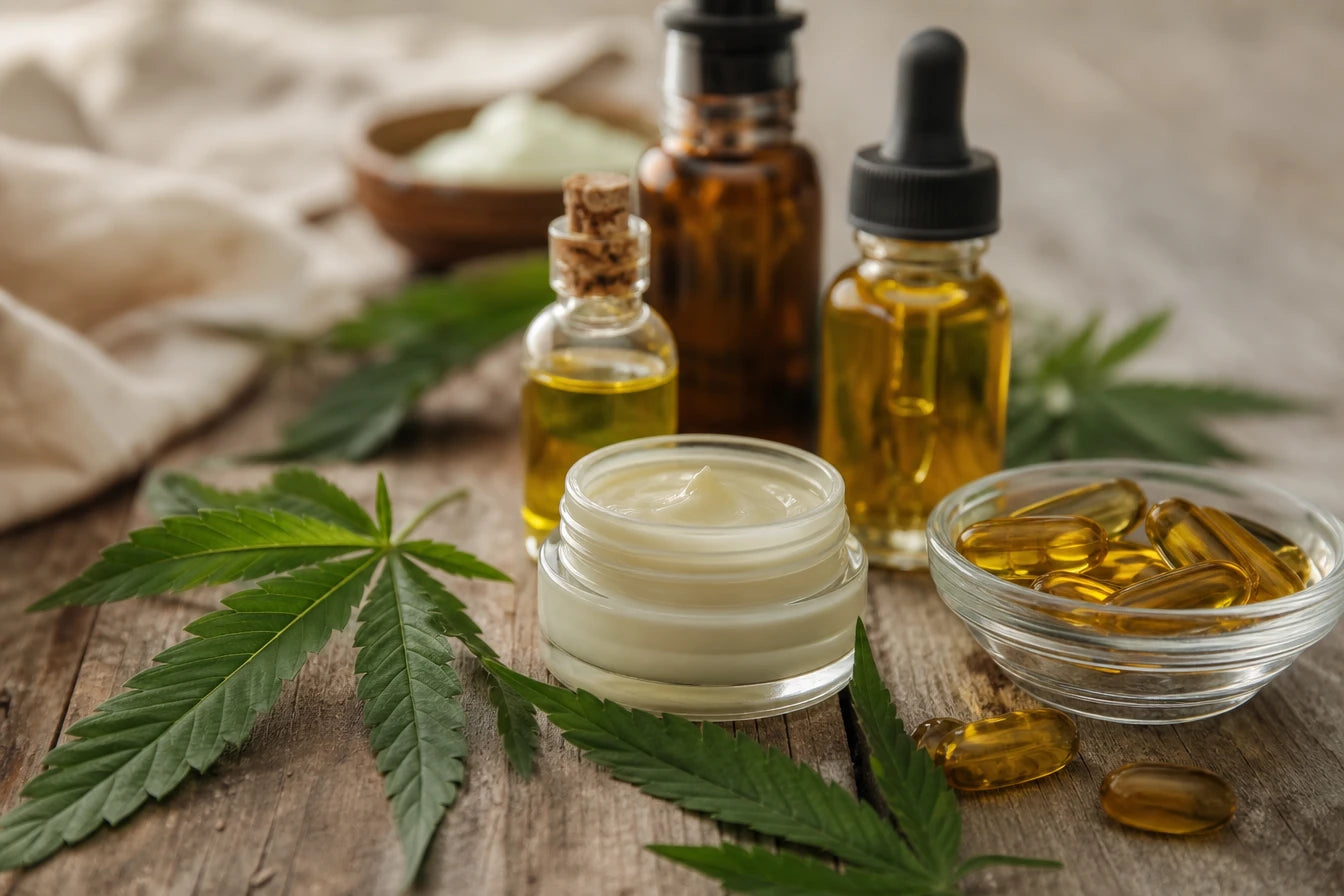
The evolving nature of CBD products over time often surprises even experienced users. A variety of factors quietly influence what is inside a bottle, jar, or capsule long after it leaves the laboratory. What starts as a carefully crafted formula may not remain unchanged months later. Exploring why this occurs helps clarify how CBD degradation happens and what measures may help preserve its integrity.
The science behind cbd degradation
CBD molecules are highly sensitive to their environment, making them prone to several forms of degradation. Degradation refers to the gradual breakdown or chemical transformation of CBD compounds, which can significantly affect both potency and efficacy as time progresses.
Multiple mechanisms contribute to this process, impacting not only CBD but also minor cannabinoids and terpenes found in most products. For those interested in exploring the source material, CBD flower represents the dried buds of the hemp plant, naturally rich in cannabidiol and other beneficial cannabinoids. Even when unopened, products experience ongoing chemical changes, ultimately altering what consumers encounter when they use them.
How oxidation affects cbd
Oxidation is one of the primary drivers of cbd degradation. When CBD is exposed to air—whether during production, bottling, or regular use—oxygen interacts with the compound. This interaction initiates a sequence where oxygen atoms bond with CBD, resulting in the loss of certain molecular components and the creation of new byproducts.
The effects go beyond a simple reduction in concentration. Oxidation can transform CBD into other cannabinoids such as CBD hydroxyquinone, which possess different effects on the body. Over time and with continued exposure, much of the original CBD may disappear from the product.
The impact of photodegradation
Another significant factor behind CBD’s transformation is photodegradation. Exposure to light, particularly ultraviolet (UV) rays, triggers chemical reactions within the product. Photons energize electrons in the CBD molecule, causing chemical bonds to break or structures to rearrange.
The degree of damage varies depending on product type, packaging, and duration of light exposure, but nearly all formulations suffer under prolonged light. Containers that do not block UV rays leave contents vulnerable to substantial time-dependent changes, accelerating potency loss and altering minor compounds.
The role of environmental and storage conditions
The surroundings of a CBD product matter just as much as its ingredients. Storage conditions play a critical role in determining shelf life and chemical stability. Several environmental factors interact, either hastening or slowing the transformation process based on external influences.
Maintaining optimal temperature, limiting contact with air, moisture, and sunlight are all essential to preserving quality. If these elements are neglected, noticeable shifts in taste, odor, and color can occur, along with measurable losses in potency.
Temperature effects on cbd stability
High temperatures cause CBD molecules to vibrate more vigorously, increasing the likelihood of bond breakage and spontaneous chemical reactions. On the other hand, extremely cold temperatures can cause fats and carrier oils to separate or crystallize, disrupting product uniformity and bioavailability.
Significant temperature effects, such as those seen during shipping or improper home storage, accelerate cbd degradation. Products kept at stable room temperatures typically retain their original profile longer than those exposed to heat or freezing cycles.
The danger of humidity and air
Humidity poses additional risks. Moisture encourages microbial growth and enzymatic activity, which can lead to further breakdown of cannabinoids and supporting compounds. Manufacturers strive to minimize water content, yet even trace amounts can be problematic if left unchecked.
Contact with air (oxygen) intensifies oxidation and ongoing cbd degradation. Ensuring bottles are resealed tightly and minimizing unnecessary opening reduces air exchange, helping preserve product stability over time.
Time-dependent changes in cbd product composition
No matter how carefully storage conditions are controlled, the passage of weeks and months brings subtle or dramatic changes. The chemical makeup of a CBD product rarely remains static, and understanding these shifts helps set realistic expectations for anyone purchasing or storing CBD items.
Laboratory analyses reveal that after several months, almost every CBD product experiences some degree of potency loss. The longer the product sits, the more pronounced the outcome—sometimes including the appearance of unexpected derivatives or byproducts.
Potency loss and consistency issues
The first visible sign of time-dependent changes is often a decrease in strength. Potency loss means that an individual consuming a tincture or edible near the end of its shelf life may ingest less CBD per dose than originally intended. As products age, dosing becomes less precise, leading to greater variability between servings.
The extent of this decline depends on exposure to air and light. Inconsistent storage conditions widen the gap between labeled and actual concentrations, especially near the end of a product’s suggested shelf life.
Chemical transformation and cannabinoid evolution
Over time, cannabinoids undergo natural chemical transformations, forming derivative compounds that differ from the originals. Stored for extended periods, CBD may convert into smaller molecules such as cannabinol (CBN), cannabichromene (CBC), or other substances with distinct characteristics.
Not all byproducts deliver desirable effects; some become less active or lack the beneficial profiles associated with cannabidiol. These evolving mixtures can alter flavor, aroma, and therapeutic potential, highlighting why longevity does not guarantee consistent quality.
Practical steps to slow cbd degradation
Given the inevitability of transformation, attention turns to strategies for preserving quality. While natural forces cannot be stopped entirely, proper handling slows the rate at which environmental factors undermine CBD’s effectiveness.
Both producers and consumers employ various tactics to extend product lifespan and curb the negative impact of air, moisture, heat, and light.
Best practices for home storage
Storing CBD products in cool, dark places remains the gold standard for reducing both oxidation and photodegradation. Cabinets away from appliances, windows, and bathrooms offer moderate temperatures and low humidity.
Opaque or amber-colored bottles provide extra protection against light, guarding contents from rapid change. Ensuring lids and droppers seal tightly each time limits oxygen entry, further extending the product's original shelf life.
Recognizing signs of aging cbd products
Visual cues often signal advanced degradation. Cloudiness, sediment, or color changes suggest chemical processes have accelerated. Shifts in smell—such as rancid, sour, or stale aromas—also indicate underlying breakdown.
Texture changes like clumping or separation of ingredients tend to appear before any drop in effectiveness is noticed. Regular inspections help determine whether continued use is advisable or if replacement is necessary for safety and performance.
- Store all CBD items in a cool, dry place
- Choose monochromatic or dark-colored packaging when available
- Seal containers immediately after every use
- Avoid storing near bright light or fluctuating temperatures
- Check dates and physical appearance before opening older stock
Why freshness matters for therapeutic outcomes
Many individuals turn to CBD for managing discomfort, stress, or sleep challenges. Freshness plays a pivotal role in determining how effective these interventions are. Products past their prime or stored incorrectly rarely deliver the intended results.
Even slight reductions in potency can make a meaningful difference, especially for those following customized dosing routines or using CBD as part of a broader wellness plan. Selecting recently produced goods and prioritizing thoughtful storage boosts the likelihood of enjoying consistent benefits throughout use.
Looking forward to safer, longer-lasting cbd solutions
Ongoing research into cannabinoids and their shelf life has inspired improvements in product design, extraction methods, and packaging materials. These advances aim to protect CBD from environmental threats while maintaining purity and potency for extended periods.
Innovations such as vacuum-sealed pouches, nitrogen-filled containers, and enhanced antioxidant additives are increasingly used in premium formulas. While no method completely halts the passage of time, staying informed about cbd degradation enables consumers to make confident choices and get the best possible value from every dose.


