

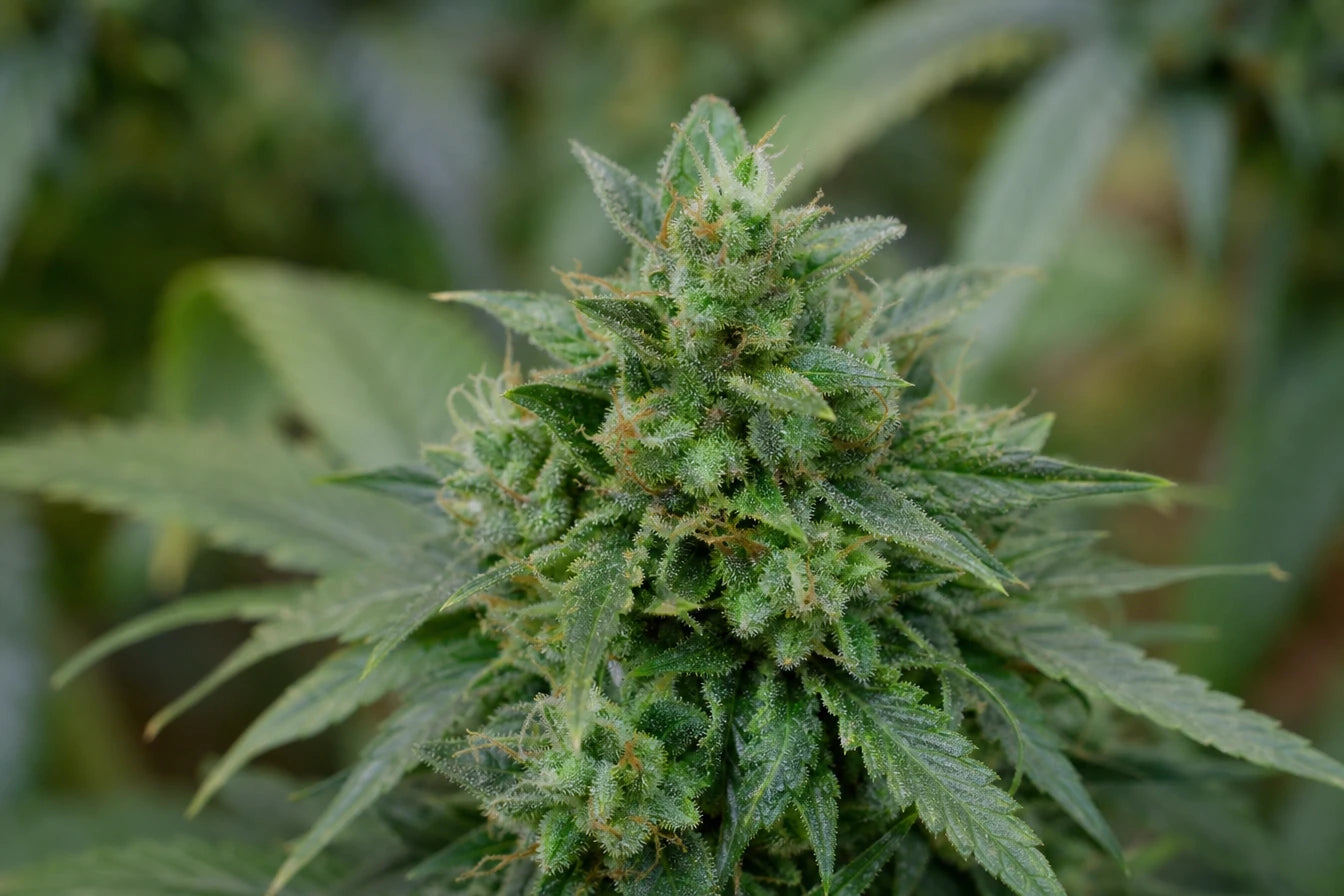
The visual appeal of a product often shapes first impressions, and vibrant color usually suggests peak condition. With CBD flowers, a strikingly green hue often catches the eye and may even sway purchase decisions. But does the shade of green really tell the whole story? Many wonder if the green color of CBD flower actually correlates with cbd flower freshness or its overall quality. The truth goes deeper than mere appearance, involving agricultural practices, the curing process, storage conditions, and how these factors influence what ultimately ends up being purchased.
This article explores whether a very green CBD flower truly signals maximum freshness. A closer look at color as an indicator of quality, biochemical processes like chlorophyll in buds, shelf life of CBD flower, and how cannabinoid degradation occurs over time will help clarify what the visual clues do—and do not—reveal about freshness and potency.
How does the green color of CBD flower develop?
The distinctive green found in CBD buds primarily results from the presence of chlorophyll in buds, carried over from the plant’s growth phase. Chlorophyll gives freshly harvested plants their lush color and is crucial for photosynthesis. If you are interested in exploring different options, you can find a wide selection of premium CBD flowers that showcase this vibrant hue. Healthy cannabis plants absorbing plenty of light typically accumulate high levels of this pigment in their tissues while developing cannabinoids and terpenes.
However, changes occur once flowering and harvesting are complete. Natural chemical and photochemical reactions begin breaking down pigments as part of the bud maturation process. At this stage, the fate of chlorophyll and other compounds depends on several key factors, notably handling after harvest, which plays a major role in determining final color and cbd flower freshness.
Effect of the curing process on color
During the curing process, growers carefully monitor temperature and humidity to gradually remove residual moisture from harvested buds. Proper curing degrades some chlorophyll, reducing any harshness sometimes associated with too-fresh cannabis while preserving potency and aroma. If performed hurriedly, the risk of excessive chlorophyll removal increases, potentially leaving flowers paler or brownish rather than bright green.
A well-cured CBD bud still retains plenty of its natural green but strikes a balance with flavors and smoothness. Excessively quick drying leads to unattractive colors, while poor ventilation can trap extra chlorophyll, causing overly vivid green combined with unwanted grassy flavors and possibly misleading perceptions of cbd flower freshness.
Influence of genetics and growing conditions
The genetic makeup of a particular hemp strain influences baseline coloration, with some cultivars naturally producing denser chlorophyll than others. Factors such as exposure to ultraviolet light, nutrient availability, and soil minerals also affect how vibrant buds appear at harvest. Healthier plants exposed to adequate sunlight generally show more intense colors, although a highly green flower is not universally synonymous with exceptional quality or increased shelf life of CBD flower.
Sometimes, environmental stress during cultivation may cause abnormally high pigment retention, which does not automatically translate into greater freshness or superior cannabinoid content. What appears greener is not always “fresher” in terms of consumption quality or cannabinoid degradation resistance.
Is color a real indicator of cbd flower freshness?
Color as an indicator of quality attracts attention but is far from the only aspect that counts. In reality, the tone and depth of green mostly hint at recent harvest or careful processing but do not guarantee a fresh or effective experience without supporting evidence from other sensory cues.
Other factors—like aroma, trichome coverage, bud density, and tactile feel—play significant roles in determining actual cbd flower freshness and quality, both for sellers and consumers seeking consistent effects or pleasant enjoyment.
Common pitfalls in relying solely on color
Buds stored under improper storage conditions for CBD flower can remain green due to halted chemical change but nevertheless lose most desirable properties. For example, CBD flowers sealed away from oxygen and kept cold might retain vibrant hues even long after they have lost aromatic terpenes and undergone cannabinoid degradation.
Conversely, slightly yellowing or brown-tipped flowers may have been perfectly processed yet kept in mild light or drier air, causing minor oxidation with no negative impact on safety or enjoyment. Judging freshness strictly by greenness can therefore mislead, especially if the aroma is faint or texture feels brittle, two signs of diminished cbd flower freshness.
More reliable ways to check cbd flower freshness
Assessing cbd flower freshness involves more than just examining surface color. Genuine indicators include sticky trichomes, pungent aromas, and subtle pliability when squeezed. Fresh flowers show little sign of powdery texture or dryness and emit clear scents related to their terpene profiles.
If possible, inspect flowers under magnification to evaluate glandular heads, whose condition reflects appropriate storage conditions for CBD flower and minimal cannabinoid degradation. Ultimately, balancing visual cues with physical and olfactory checks ensures a better understanding of actual quality.
Which environmental factors can alter flower color and freshness?
Appearance shifts in CBD flowers closely follow external conditions from the moment of harvest up until final use. Four key elements often play major roles: storage conditions for CBD flower, including heat, light, oxygen, and moisture. Managing these effectively safeguards freshness, flavor, and aromatic complexity as well as attractive appearance.
Improper storage over time accelerates pigment loss, cannabinoid breakdown, and terpene evaporation. Even perfectly cured buds fade without suitable protective measures, making “green” a temporary state unless reinforced by proper habits that sustain shelf life of CBD flower.
- Light: Exposure to UV rays triggers rapid pigment and cannabinoid degradation, leading to duller color and reduced efficacy.
- Heat: Warm environments cause excess moisture loss, brittleness, and volatile compound depletion, jeopardizing freshness and potency.
- Moisture: Too much humidity fosters mold and off-putting odors, while excessively dry air strips both color and essential oils.
- Oxygen: Contact with air promotes oxidation, fading hues over time and dramatically diminishing overall shelf life of CBD flower.
The role of storage containers
Storage containers significantly influence the preservation of cbd flower freshness. Airtight glass jars prevent exposure to air and slow the impact of light, helping maintain both bud structure and color intensity. Reusable opaque pouches further extend vibrancy and chemistry compared to transparent plastic bags commonly used for short-term display.
Vacuum-sealing reduces oxygen contact but may unintentionally compress delicate buds, risking texture damage if not handled thoughtfully. The best results come from combining quality containers with cool, dark spaces to shield bouquets from environmental stressors and maintain freshness over time.
How degradation over time affects consumer experience
As months progress, regardless of initial vividness, all cured flowers eventually dull due to pigment breakdown and loss of volatiles. Cannabinoid degradation steadily lowers active CBD concentrations, so the expected effects become less pronounced. Scent and taste likewise weaken as terpenes disperse through air exchange or environmental drift, impacting the experience even if the color remains appealing.
Even with ideal storage, extended intervals diminish some features. This highlights why cbd flower freshness cannot be assured based on color alone; regular sensory evaluation remains crucial for anyone who values potency and authentic enjoyment.
What is the relationship between curing, color, and shelf life of CBD flower?
Curing acts as the bridge between cultivation and safe, enjoyable consumption, directly shaping both green hues and how long flowers stay appealing. Well-conducted curing gently wicks away internal water, stabilizes cannabinoid structures, and preserves floral appearance. However, this step must never be rushed or skipped if optimal shelf life of CBD flower is desired.
Buds dried rapidly lose much of their flavor and end up brittle, with sharply diminished aroma and faded color. On the other hand, overly moist products turn brown, unpleasant, or prone to contamination. Proper procedures allow incremental chlorophyll reduction, slow cannabinoid and terpene development, and yield a visually pleasing result that keeps longer post-harvest.
- Well-cured buds usually present neither neon nor dull shades but balanced, realistic coloring along with rich scents and textures.
- The curing process sets CBD flower up for longevity, but only solid storage conditions for CBD flower prevent premature aging after this stage.
Longer shelf life of CBD flower depends as much on careful post-curing practices as on ideal climate control during drying. While a brilliant green can indicate recent preparation, it should never overshadow checks for aroma, trichome shine, and flexibility—which together confirm true cbd flower freshness.
Combining expert curing, mindful storage, and objective sensory inspection provides a much surer route to finding high-quality CBD flowers than color alone. As more people seek natural solutions for wellness, developing an informed approach ensures satisfaction and purity in every bud, regardless of how green it may seem on the surface.


